
The U.S. Defense Secretary, Pete Hegseth, spoke to Pacific allies in Singapore, emphasizing Washington’s commitment to the region. He moderated previous remarks which labeled China as a threat, highlighting the significant implications for U.S. security and prosperity. The priority is a favorable balance of power in the Pacific.
Addressing the Shangri-La defense conference, Hegseth noted the necessity of establishing enduring stability through power balance. Last year, his comments on China’s military ambitions towards Taiwan sparked tensions. This year’s meeting follows President Trump’s visit to Beijing, where he commended Xi Jinping’s leadership.
Hegseth, who accompanied Trump, reported that the leaders agreed on fostering a constructive relationship, focused on equality and reciprocity. While protecting national interests, they aim for practical, mutual agreements. Nonetheless, U.S. policy remains firm on ensuring China does not dominate the Indo-Pacific region.
He expressed concern over China’s growing military power and activities, stressing the importance of avoiding regional dominance by any single power. Major General Meng Xiangqing of China welcomed these comments and emphasized strategic stability between China and the U.S. as critical for future relations.
Senator Tammy Duckworth, attending the conference, criticized the Trump administration’s approach to China, fearing it might compromise U.S. commitment to the Indo-Pacific. She voiced concern over potential distractions affecting U.S. policy due to other global engagements.
In light of Xi and Trump’s meetings, the U.S. President’s stance on Taiwan has come into question. He suggested a $14 billion arms package as a negotiation tool with China. China claims Taiwan as its territory, and Xi has hinted at using force to reclaim it.
Hegseth reaffirmed there are no changes regarding Taiwan’s status, leaving future arms sales decisions to President Trump. He urged allies to increase defense spending and recognized several Asian nations for their commitments, contrasting them with European allies.
Australian Defense Minister Richard Marles acknowledged the imperfections of a rules-based international order but emphasized its importance for small states. He advocated for its renewal rather than dismantling.
Outside the conference, Hegseth, Marles, and British Defense Secretary John Healey announced an AUKUS initiative focusing on underwater drones. This project aims to enhance drone capabilities to detect threats affecting underwater cables and pipelines.
The initiative forms part of broader collaboration under AUKUS, initially centered on nuclear-powered submarines, highlighting advanced sensor development.
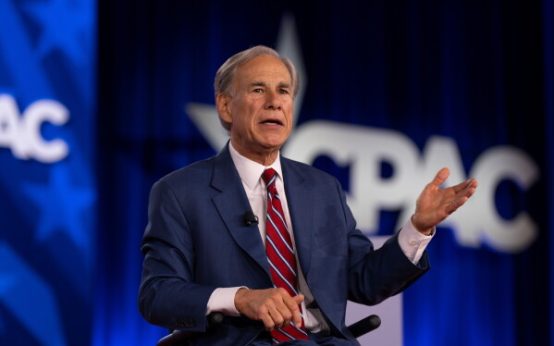 U.S. Military Awaits Pentagon’s Clarification on Troop Levels in Europe
 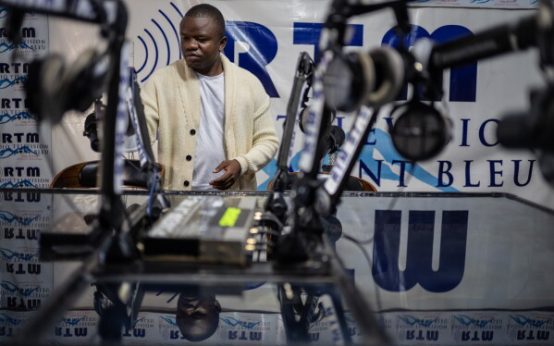 Potential Ebola Outbreak in Central Africa Raises Concerns of Rapid Spread
  U.S. and Allies Condemn Efforts to Overthrow Bolivian Government
  Pamela Hicks: Cousin, Bridesmaid, and Witness to History
  Latin American Deportees in Congo: Return to Home Countries Amid Challenges
  Controversy Surrounds Stabbing Incident of British Student