
John Healey, the UK Defense Secretary, unexpectedly resigned on Thursday. He stated concerns over inadequate military funding amid mounting threats. His departure adds pressure on Prime Minister Keir Starmer, who faces calls from Labour colleagues to resign as well.
In his resignation letter, Healey criticized the government’s Defense Investment Plan as insufficient for addressing current dangers. The plan’s release has seen delays due to disagreements between the Defense Ministry and the Treasury.
Soon after Healey’s resignation, Al Carns, a decorated war veteran serving as a junior minister, also stepped down. He expressed dissatisfaction with the investment level, which he deemed inadequate. Carns may become a contender in a potential leadership challenge against Starmer.
Starmer expressed regret over Healey’s resignation but defended the investment plan as providing sustainable and fair spending increases. He later appointed Dan Jarvis, former security minister, as the new defense secretary.
Critics argue that Starmer’s pledge to boost defense spending to 2.5% of GDP by 2027 and 3% by 2035 is too slow. Healey pointed out that the Treasury’s plan would see spending rise to only 2.68% by 2030, which he believes is insufficient given current military commitments and threats such as the Iran war and Russia’s aggression in Ukraine.
General Richard Barrons criticized the government’s failure to fund its defense review. He warned that this undermines the UK’s credibility within NATO and its ability to respond to 21st-century conflicts.
The government maintains that it is providing the largest sustained defense spending increase since the Cold War. It asserts that the country is safer due to Starmer’s decisions and will continue acting in national interest.
Healey has served as Defense Secretary since July 2024, earning a reputation as a competent minister. He played a vital role in supporting Ukraine internationally and establishing a maritime security force for the Strait of Hormuz.
Despite pressure to increase military funding, the UK aims to reverse military decline in response to Russia’s increased assertiveness and ongoing threats.
NATO Secretary-General Mark Rutte remarked on Healey’s resignation, recognizing the challenges of balancing defense investments with other expenses.
Healey’s resignation is likely to intensify speculation about Starmer’s future as Prime Minister. Critics within his party have urged him to step down following several missteps since Labour regained power.
Andrew Burnham, Greater Manchester Mayor, is expected to challenge Starmer for leadership, pending his return to Parliament through a special election.
Justin Crump, a security consultancy leader, commented that Healey’s resignation highlights a lack of control and clarity in the government.
Contributors to this report include Mark Carlson in Brussels and Pan Pylas and Brian Melley in London.
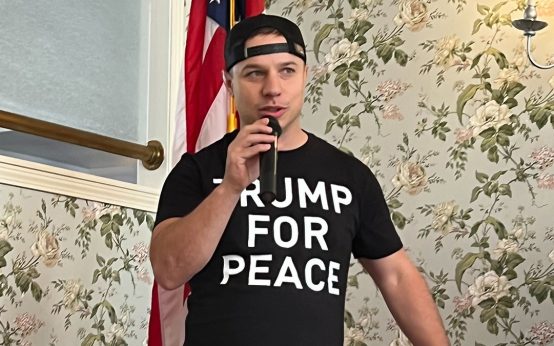 Trump-Endorsed Candidate Pledges Salary to Veteran’s Family
 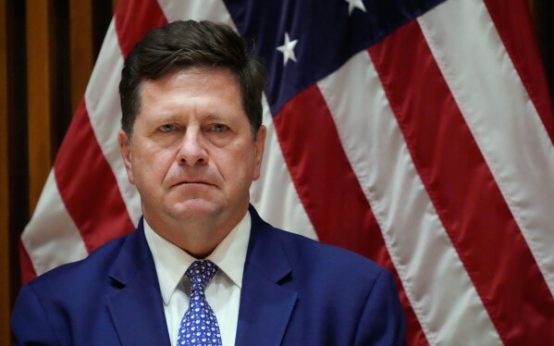 Trump Halts Nominee’s Confirmation, Affects Surveillance Program Renewal
 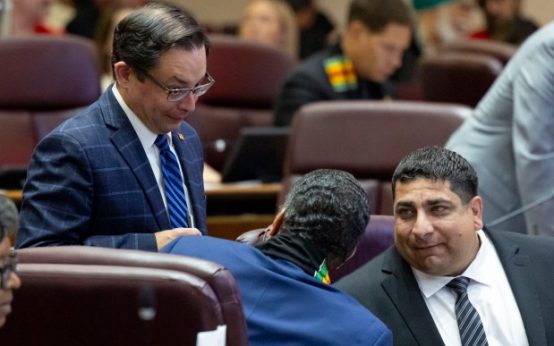 Chicago Considers Renaming Landmarks for Prominent Figures
 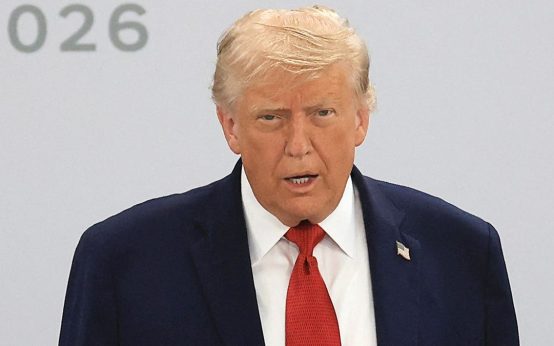 Critics Slam Trump’s Iran Agreement Amidst Divided Opinions
  Vance Clarifies US-Iran Agreement Details
  U.S. Defends Detention of Colombian Activist; Colombia’s President Calls It Political