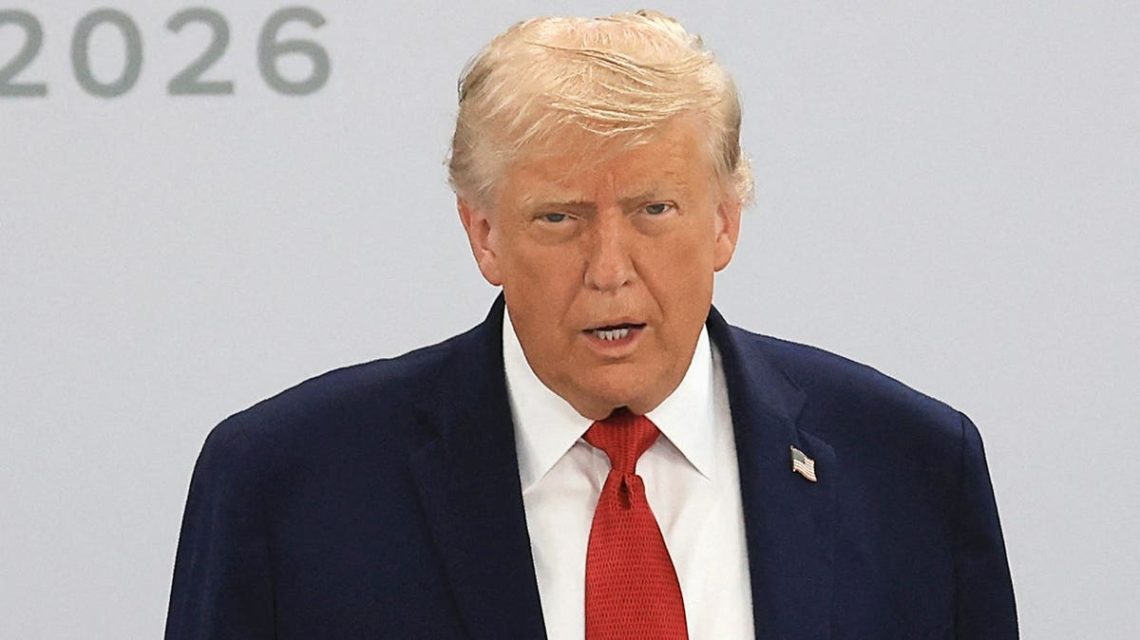
During a bilateral meeting, President Donald Trump described the U.S.-Iran agreement as a ‘wall to a nuclear weapon,’ but also as one of the ‘dumbest’ deals ever made. Broadcast by Fox News’ Harris Faulkner, the key components of the deal include a 60-day negotiation period to finalize the agreement, a ceasefire in Lebanon, and a temporary halt on new U.S. sanctions.
The 14-point framework, announced on Wednesday, puts an immediate ceasefire in place between the United States and Iran. Essential parts include reopening the Strait of Hormuz, lifting the U.S. naval blockade, granting temporary waivers for Iranian oil exports, access to previously frozen Iranian assets, and a commitment to discuss a final agreement within two months. Additionally, Iran has pledged anew to refrain from pursuing nuclear weapons. However, the agreement does not enforce the dismantlement of Iran’s nuclear facilities, prohibit enriched uranium stockpiles, or limit Tehran’s ballistic missile activities. Critics argue that Iranian-backed groups like Hezbollah are not addressed either.
Despite being described as a breakthrough by the administration, critics believe the U.S. has conceded more than it gained. President Donald Trump, attending a G7 summit in France, faced backlash. Will Chamberlain, of the Article III Project, criticized on social media, claiming the deal favored Iran too heavily and provided financial benefits as well as protection for Hezbollah, while offering little in return.
Conservative commentator Mark Levin commended Trump’s military stance against Iran but criticized the memorandum. Levin suggested the U.S. gave away its leverage without substantial concessions from Tehran. Further criticism came from AG Hamilton, who stated that the deal allowed Iran to maintain its nuclear and missile programs while gaining financial aid without guarantees.
Meanwhile, Miles Taylor, a former Department of Homeland Security official, labeled the memorandum as ‘pathetic,’ claiming it offered billions for promises that Iran had previously made. Erick Erickson, a talk radio host, viewed the agreement as ‘American surrender.’
Even before official confirmation, details of the memorandum had circulated, according to David Reaboi, a conservative commentator. Reactions in Tehran to the ceasefire announcement were mixed, as the U.S. and Iran narrowly averted further confrontation, temporarily reopening the Strait of Hormuz.
Some prominent figures like Marjorie Taylor Greene harshly critiqued the proposed $300 billion reconstruction fund, arguing it could financially burden American taxpayers. Former Vice President Mike Pence and United Nations ambassador Nikki Haley both denounced the agreement. Pence equated the approach to tactics used by the Obama administration, while Haley called the deal a ‘huge mistake,’ stressing Iran’s ongoing threatening behavior toward the U.S. and its allies.
Conversely, broadcaster Piers Morgan expressed relief that Trump aimed to reduce military conflict, albeit criticizing President Trump for entering the agreement in the first place. Current opinions vary widely, reflecting political divisions surrounding the U.S.-Iran relationship.
Fox News Digital attempted to gain a response from the White House on the situation. Elaine Mallon of Fox News Digital reports on national politics.
 Chicago Considers Renaming Landmarks for Prominent Figures
 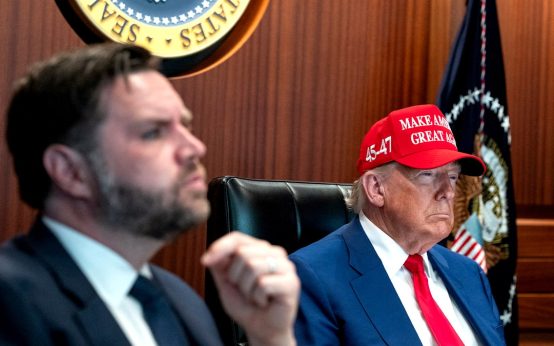 Vance Clarifies US-Iran Agreement Details
  U.S. Defends Detention of Colombian Activist; Colombia’s President Calls It Political
  Jackson Lahmeyer Ends Campaign Amid Controversy
 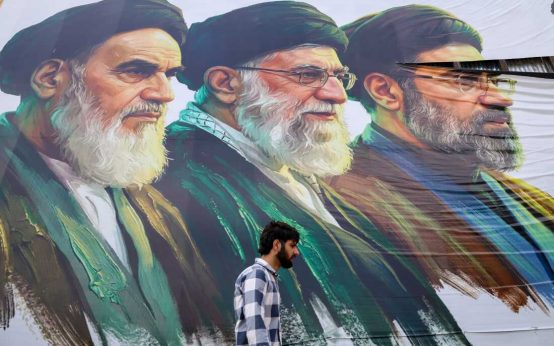 Economic and Political Impact of the Iran Conflict
  Jackson Lahmeyer Suspends Campaign Amid Allegations