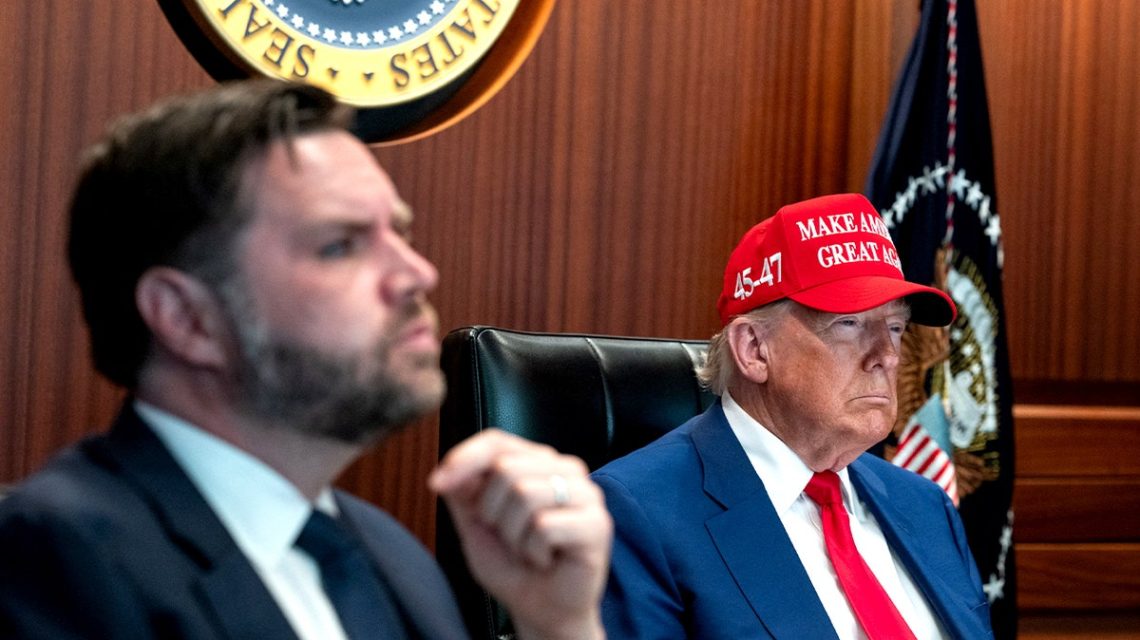
During the G7 Summit, President Donald Trump introduced a new peace agreement with Iran, warning of severe consequences if Iran fails to meet its nuclear obligations. Vice President JD Vance explained the agreement, emphasizing Iran will not receive American funds. He noted the diminished state of Iran’s military and industrial capabilities, highlighting their inability to develop or acquire nuclear weapons as a success of the talks.
Vance dismissed comparisons of the new Trump-Vance agreement to President Barack Obama’s nuclear deal. Critics cited the economic benefits outlined in the memorandum of understanding for reopening the Strait of Hormuz. These benefits would only occur if Iran meets nuclear restrictions, resembling the 2015 Joint Comprehensive Plan of Action (JCPOA) critics disliked.
On Fox News, Vance referenced misconceptions about the deal, stating Iran benefits only by significantly transforming itself. He noted the potential for economic collaboration across the Middle East should Iran comply with the terms.
President Trump conveyed that the US prevails regardless; Iran receives nothing, their nuclear program is dismantled, and the Strait remains accessible, or they change fundamentally. Host Jesse Watters agreed, claiming the agreement vastly differs from the one crafted by Obama and former Senator John Kerry.
The destruction of Iran’s nuclear capabilities is detailed by Vance, noting the destruction of 85% of Iran’s missiles and 90% of their industrial base. Watters mentioned Iran’s disarmed state, unable to rearm due to destroyed infrastructure, leaving them no longer an immediate threat to the US.
Obama, in 2015, argued potential future strength when Iran violates such a deal, due to improved inspections and transparency measures, allowing the US to monitor Iran’s nuclear program more effectively.
Vance pointed out the current administration dismantled much of Iran’s nuclear stockpiles through prior strikes. Both administrations focused on securing compliance, with Obama highlighting sanctions relief contingent on Iran’s concrete steps such as dismantling centrifuges.
Despite Trump’s previous critiques of the JCPOA, some saw resemblances in the current deal. Senator Mark Kelly noted that Trump’s initial stance would likely oppose a deal similar to the new agreement.
Iranian security analyst Behnam Ben Taleblu commented on the Trump-Vance deal, expressing concern over its structure, which allows revenue generation for Iran later on. He highlighted that previous US withdrawals from agreements stemmed from what was given in terms of nuclear concessions not equating to the relief provided.
Taleblu suggested making the full text public for a true comparison to Obama’s JCPOA and a lesser-known 2013 JPA. This transparency may help validate the administration’s standpoint. However, there is skepticism about whether the benefits outweigh what was given, based on leaked reports.
The administration must contend with limited public tolerance for economic impacts such as fluctuating gas prices or market downturns. Taleblu emphasized that the long-standing US-Iran tension requires effective communication to gain public support. He warned the economic repercussions of conflict with Iran might be less than those from future adversaries like China.
The agreement includes immediate waivers for Iranian oil exports and outlines a framework for $300 billion in economic development. Officials clarified the oil waivers are the only significant immediate benefit for Iran before a 60-day evaluation period of the agreement concludes. They stressed skepticism of Iran’s intentions and committed to halting negotiations if Iran appears to manipulate the process.
 Chicago Considers Renaming Landmarks for Prominent Figures
 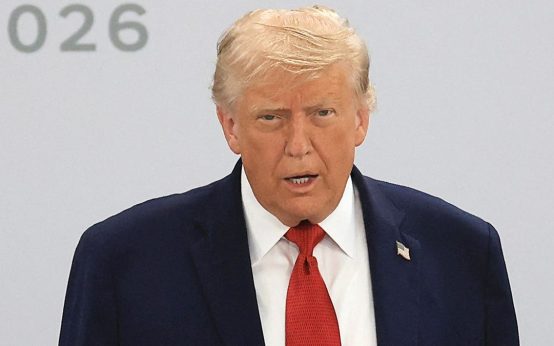 Critics Slam Trump’s Iran Agreement Amidst Divided Opinions
  U.S. Defends Detention of Colombian Activist; Colombia’s President Calls It Political
  Jackson Lahmeyer Ends Campaign Amid Controversy
 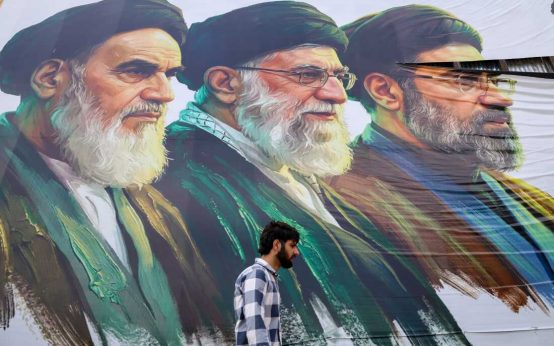 Economic and Political Impact of the Iran Conflict
  Jackson Lahmeyer Suspends Campaign Amid Allegations