When a loved one passes away, financial questions can add stress to an already difficult time. Managing bank accounts, filing insurance claims, and paying final bills become pressing issues. If the deceased had outstanding debt, this task becomes more complex.
Most deceased individuals today leave behind some form of debt due to record-high household debt levels. When credit card statements arrive, questions about who pays them often follow. The responsibility varies, so understanding debt after death is crucial.
Dealing with a Deceased Person’s Credit Card Debt
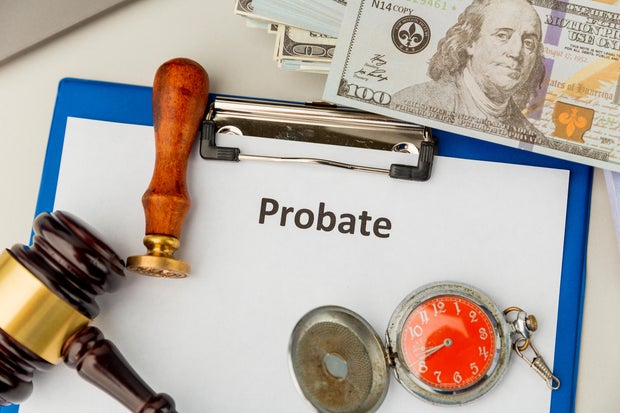
Generally, a deceased person’s credit card debt is settled by their estate. An estate includes the person’s assets at death, such as bank accounts, investments, vehicles, and real estate. During probate, the executor identifies and uses estate assets to pay valid debts before distributing any inheritance.
What Happens to Unpaid Debt?
If any credit card debt remains unpaid, here’s what can occur:
- Creditor Claims: Creditors can file claims against the estate. The executor reviews these and pays valid ones based on state law and assets. The debt gets addressed during estate settlement.
- Collection Efforts: Creditors might contact the estate’s representative for payment during probate. Federal law restricts debt collector communication, but they may reach out to authorized individuals.
- Insolvent Estates: If an estate lacks assets to cover debts, creditors may receive partial payment or none. Unsecured credit card debt is generally low priority compared to taxes or secured loans. It’s typically written off if assets are depleted.
Special Circumstances
Usually, family members aren’t responsible for the deceased’s debt, but exceptions exist. Joint account holders or co-signers on debts remain liable. In some states, spouses may be responsible under community property laws. However, being a relative does not mean automatic responsibility.
Navigating Estate Debt
Families should explore all options before making payments on an estate burdened by significant debt. Executors should create a comprehensive inventory of assets and liabilities to understand the estate’s ability to meet obligations.
Creditors may negotiate reduced payoffs, especially if the estate is insolvent. They prefer partial recovery over none. Settlement talks can be productive in these situations.
Surviving spouses managing both their and inherited obligations might consider debt relief options like settlement, consolidation, or counseling. Because probate laws differ by state and estates vary, consulting an estate attorney or financial expert can help avoid mistakes and handle debts properly.
Key Takeaways
If a deceased person’s credit card debt goes unpaid, creditors will usually look to the estate, not family, for repayment. If the estate has assets, these may be used for debt payment before distribution to heirs. Without sufficient assets, some or all debt may remain unpaid and be written off.
While certain individuals like spouses or co-signers may still bear responsibility, most relatives do not automatically inherit credit card debt. Knowing these rules aids families in protecting themselves during difficult times.