New research indicates that countries such as Mexico, Kenya, and Italy are now experiencing one to two more months of heat stress per year compared to several decades ago. Some regions previously unaffected are also feeling the impact. Over the past sixty years, extreme temperatures, heat stress days, and tropical nights have become more frequent and severe. This change results from global warming driven by the burning of fossil fuels like coal, oil, and gas, according to a study in Nature Climate Change.
The study goes beyond mere temperature measurements, using the ‘feels-like’ temperature to understand its impact on individuals. This includes factors like humidity and wind speed. Researchers applied the Universal Thermal Climate Index to model human responses to these environmental conditions. Heat and humidity together pose a risk because they affect the evaporation of sweat, a natural cooling process. Humid heat waves can be deadlier than dry ones due to reduced cooling effectiveness.
Heat stress is intensifying not only in already warm areas but also in new regions. Previous research highlighted the role of human activities in rising temperatures. On average, individuals globally faced 41 extra days of dangerous heat in 2024. Predictions suggest nearly two more months of extreme heat annually by century-end.
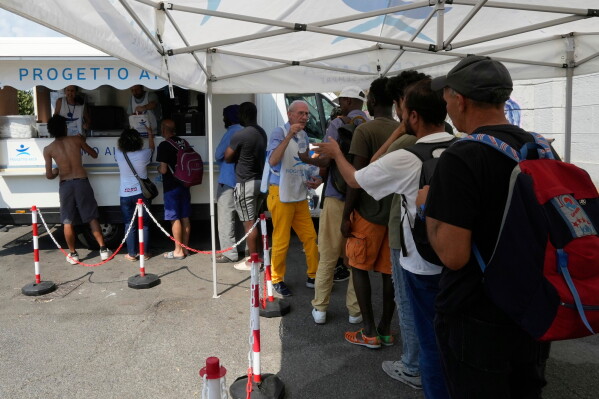
Volunteers recently provided aid during such conditions in Milan, Italy, while residents endured the heat in Veracruz, Mexico. The research measured heat stress at three levels: strong, very strong, and extreme, with corresponding index temperatures of 32°C (89.6°F), 38°C (100.4°F), and 46°C (114.8°F) respectively.
Significant increases in strong heat stress days since the 1970s are noticed in Southern Africa, Eastern Africa, Mexico, and Central America. Southern Spain, Italy, Greece, and Turkey experience up to 40 extra days of strong heat stress. In the U.S., many areas see 15 or more additional days, with southern states experiencing even more.
Study lead Rebecca Emerton emphasized the broadening impact of heat stress into historically unaffected regions. Analysis showed that the ten warmest nights are warming faster than the warmest days, which affects recovery from daytime heat. Now, an additional billion people face at least one day of extreme heat stress annually, compared to the 1970s.
Future effects hinge on global actions. Jennifer Francis of the Woodwell Climate Research Center emphasized the added danger of increasing humidity with rising temperatures, as this hampers the body’s cooling ability. Emerton underscores the urgency for mitigation strategies, heat health plans, early warnings, and climate risk assessments.
Alexa St. John reports on climate for the Associated Press. Connect with her on X: @alexa_stjohn. To read more AP climate coverage, visit their site.
 Understanding the Heat Dome Over Europe
  Fire in Boyle Heights Cold Storage Continues
  Wildfires Continue to Rage Across Western U.S.
  The Mystery of Cape Town’s Disappearing Great White Sharks
  Controversy Surrounds Lincoln Memorial Reflecting Pool Renovation
  Inclusive Birdwatching Events Foster Community in Chicago