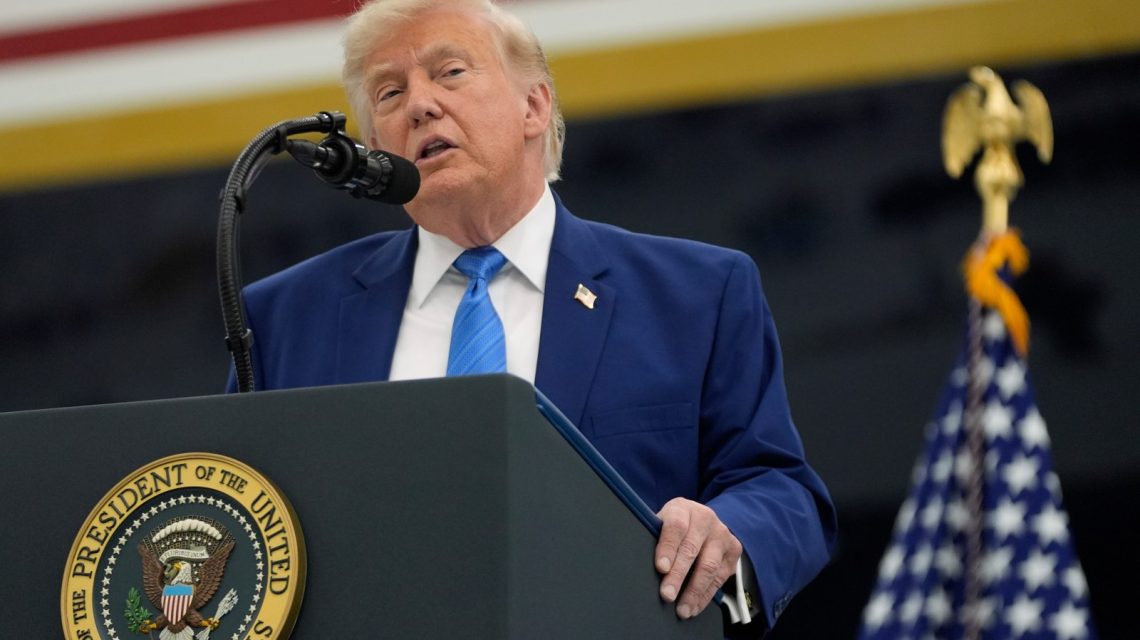
Federal Judge’s Decision
A federal judge has prevented the Trump administration from creating a database containing personal data of millions of Americans. U.S. District Judge Sparkle Sooknanan, appointed by President Joe Biden, stated the administration violated privacy rights, potentially affecting voting rights. She emphasized the importance of not ignoring these threats. Marcia Johnson of the League of Women Voters, which partnered with the Electronic Privacy Information Center (EPIC) for the lawsuit, praised the decision as essential for protecting the right to vote.
Lawsuit Background
The lawsuit followed actions by the Department of Homeland Security (DHS) and Social Security Administration (SSA) attempting to convert the DHS’s Systematic Alien Verification for Entitlements (SAVE) system into a national citizenship database. Activist groups contested the reliability of Social Security data used by some states for voter roll purges and investigations of lawful voters. EPIC Deputy Director John Davisson declared that the decision protects privacy and voting rights.
Understanding the SAVE Database
The Systematic Alien Verification for Entitlements (SAVE) program is managed by DHS for verifying noncitizen immigration status when they seek public benefits. The Trump administration’s executive order expanded SAVE into a larger system, linking it with SSA records. This expansion included searching individuals with Social Security numbers, pooling sensitive information, and serving as a voter eligibility tool for state officials.
About District Judge Sparkle Sooknanan
Judge Sparkle Sooknanan, serving in the U.S. District Court for the District of Columbia, was appointed by Biden in January 2025. Her appointment is significant, being one of the few federal judges originally from Trinidad and Tobago. Her nomination received broad support from the legal community.
Judge’s Ruling
Judge Sooknanan’s detailed 75-page ruling on June 22 favored plaintiffs like the League of Women Voters and EPIC, issuing an injunction against the data-pooling system. She found the Trump administration’s implementation violated legal requirements due to a lack of public notice, comment opportunities, and privacy assessments as required by the Administrative Procedure Act (APA) and the Privacy Act of 1974.
Timing with Midterm Elections
The injunction occurs ahead of the 2026 United States midterm elections, set for November 3, 2026. The decision stops a potential strategy for voter roll maintenance before these elections, crucial for determining control of Congress.
 Iowa Senate Candidate Josh Turek Leads in Polls Against Ashley Hinson
  Tucker Carlson’s Break with the GOP
  Keir Starmer Resigns: Potential Rise of Andy Burnham
  Spanish Leader’s Former Ally Sentenced to 24 Years in Prison
  Jeffrey Donaldson Convicted of Child Sex Abuse
  Judge Quashes Trump’s Subpoenas Against Minnesota Officials