Shift in Reputation Recovery Strategies
In the 2010s and early 2020s, the path to recovering from public backlash often followed a standard approach. Celebrities would face criticism, apologize publicly, participate in managed interviews, temporarily exit the spotlight, and then attempt to rebrand. Grayce McCormick, founder of Lightfinder PR, commented to Newsweek on how this process used to be a “predictable sequence,” showing not only remorse but also indicating significant change. This approach became a staple for celebrities and politicians looking to regain support.
Recent examples suggest this method may be losing effectiveness. Some public figures face criticism yet refuse traditional rehabilitation, continuing to flourish professionally. The question arises: has the traditional rule book changed by 2026?
New Approaches to Handling Backlash
Previously, staying silent was thought to allow others to control the narrative, prompting public figures to speak up first, according to McCormick. Now, instead of seeking to win back critics, some focus on their core supporters, prioritizing work over addressing backlash.
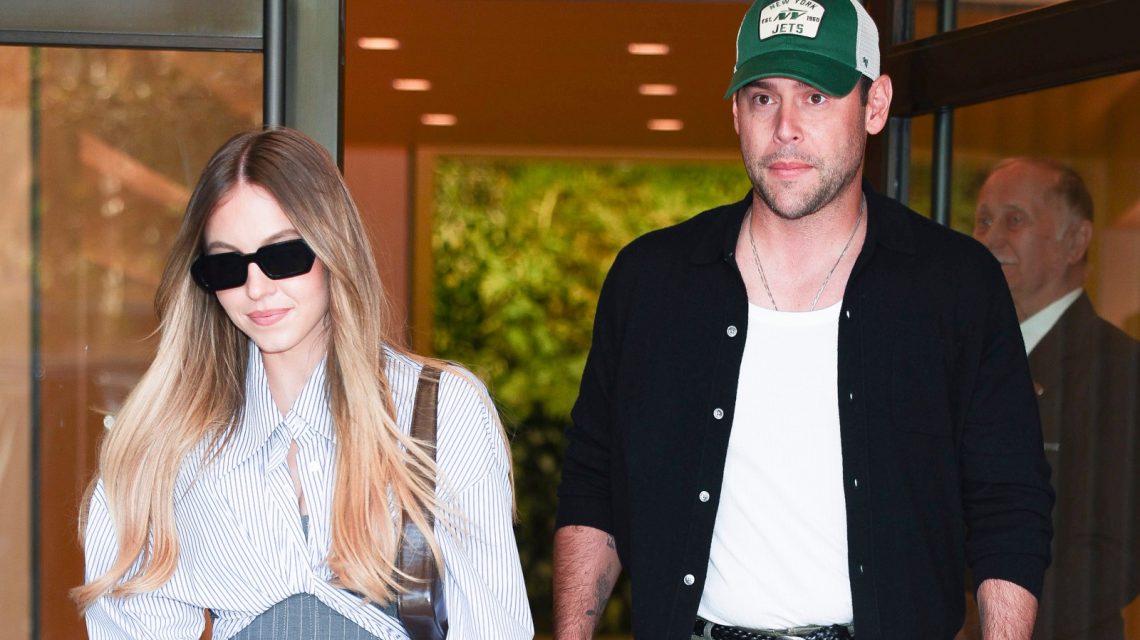
Actress Sydney Sweeney and former talent manager Scooter Braun illustrate this shift. Both have faced criticism yet avoided traditional redemption campaigns, maintaining their commercial influence. Newsweek reached out to their representatives for comments.
Sweeney and Braun as Case Studies
Sweeney and Braun reportedly met at Jeff Bezos and Lauren Sánchez’s wedding in June 2025, later confirming their relationship. Sweeney ended her role as Cassie in HBO’s Euphoria but continues to lead campaigns for American Eagle despite controversy around last year’s “great jeans” advertisement. Braun, known for managing artists like Justin Bieber and acquiring Big Machine Records, owns Taylor Swift’s master recordings, leading to significant backlash. In an interview on the Second Thought With Suzy Weiss podcast, Braun expressed he “didn’t know Taylor Swift,” despite becoming a “villain” in public perception. Their relationship has elevated Braun’s public profile, following a period of withdrawal. They face continued online criticism but maintain silence.
Changes in Cancel Culture’s Effectiveness
The actions of Sweeney and Braun prompt the question: has cancel culture’s impact diminished, or have response strategies evolved? McCormick suggests these shifts indicate an evolution, not an end, to cancel culture. Neither individual invests energy in changing critics’ minds; they focus on their work, leaving the public to determine the significance of controversies.
McCormick notes audiences may experience “outrage fatigue,” assessing controversies based on context, intent, and severity rather than automatic outrage. Fast news cycles also contribute to rapid shifts in public attention, with controversies vanishing quickly. Sarah Schmidt, president of Interdependence public relations, highlighted changing rules for celebrity rehabilitation, stating accountability still matters but lasting consequences are debated. A 2025 YouGov poll revealed 51 percent of respondents feel cancel culture has overreached, while only 13 percent see it as proportionate.
New Rules for Reputation Management
Historically, public figures relied on apologies, confessional interviews, and visible acts of contrition to rebuild reputations. Nowadays, many choose to keep working and avoid overexplaining, letting audiences decide the relevance of controversies. “Authenticity” is the current buzzword; if apologies lack authenticity, they serve little purpose. Schmidt emphasized that authenticity is key, as audiences recognize inauthentic apologies, favoring those who appear genuinely vulnerable.
Consistency, rather than redemption alone, matters more now.
Brands’ Perception of Controversy
Brands are recognizing that controversies do not always pose threats. Online engagement, including criticism, can drive visibility and sales. Sweeney’s involvement with American Eagle illustrates this trend; despite controversy, the company saw a 25 percent increase in stock price. Schmidt points out that controversy acts as “currency” in gaining attention.
McCormick warns, though, some controversies remain damaging. Brands are discerning in separating temporary backlash from genuine consumer rejection. While public image still holds importance, universal approval is not mandatory.
In current times, celebrities and brands maintain success by retaining credibility with key audiences, making traditional apology tours optional.
Cancel Culture: Ending or Evolving?
Cancel culture hasn’t vanished; public figures still endure scrutiny and reputational threats. However, experts notice a shift in management of controversies and the real influence of online backlash. The focus may shift from surviving cancellations to considering if a redemption tour is necessary.
 YouTuber Shares Difficult Decision After Trisomy 21 Diagnosis
  Robbers Sentenced for Theft of Romanian Treasures from Dutch Museum
  YouTuber Sparks Debate Over Abortion Rights and Down Syndrome
  Celebrate America’s 250th Birthday with Commemorative Products
  Significant Events in Chicago on June 5
  Festivities and Exhibitions Celebrate American Heritage