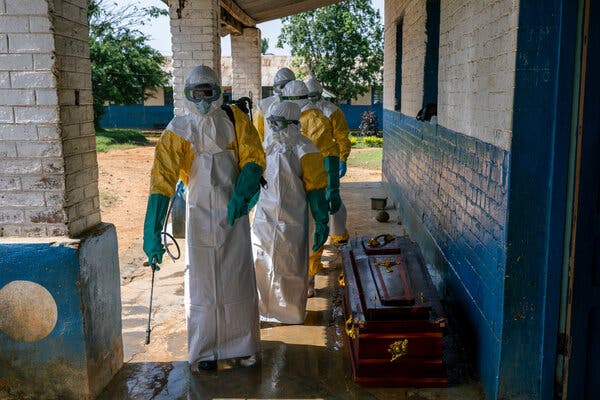
The Bundibugyo virus, a lesser-known type of Ebola, has caused only two small outbreaks before. Now, it plays a central role in a rapidly expanding epidemic in Africa.
As Ebola spreads in the Democratic Republic of Congo and Uganda, health workers are in a race against time. Their focus is on offering supportive care in hopes that some patients will recover. Meanwhile, they isolate those who are sick and trace contacts of the infected.
A crucial part of the battle is missing: vaccines and drugs. The scale of the epidemic has left scientists urgently searching for solutions.
On Monday, two leading nonprofit organizations announced substantial funding for vaccine development. World Health Organization experts also suggest testing some monoclonal antibodies and other drugs as possible treatments.
Researchers warn it will take months to determine the effectiveness of these measures. Yet, even if delayed, the treatments could still reduce the outbreak’s impact.
“It’s going to take a long, committed response to bring this outbreak under control,” said Richard Hatchett, chief executive of CEPI. This nonprofit supports the creation of vaccines and other pandemic measures.
Ebola’s complexity adds to the challenge. The term “Ebola virus” refers to a species discovered in 1976 in former Zaire. Fighting Ebola requires addressing multiple virus types.
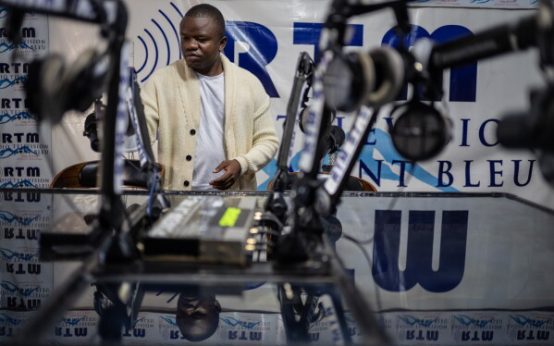 Potential Ebola Outbreak in Central Africa Raises Concerns of Rapid Spread
  Researchers Escorted Out of Diabetes Conference for Criticizing Trump Administration
 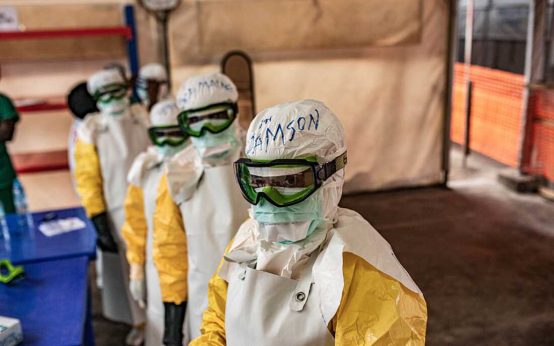 Ebola Outbreak in Africa: A Serious Concern
 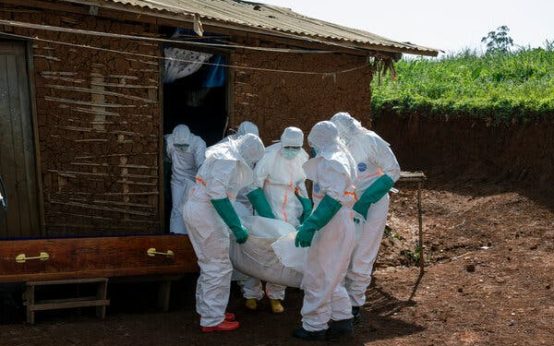 Gold and the Ebola Outbreak in Congo’s Mining Towns
  House Passes Bill for Veterans’ Benefit Increase
  Gene Editing in Human Embryos at Columbia University