Following a dramatic explosion during a launch pad test last week, Blue Origin has shared some encouraging updates. Despite the setback, the company plans a swift recovery, aiming to resume New Glenn rocket launches by year’s end.
Damage Assessment and Repair Plans
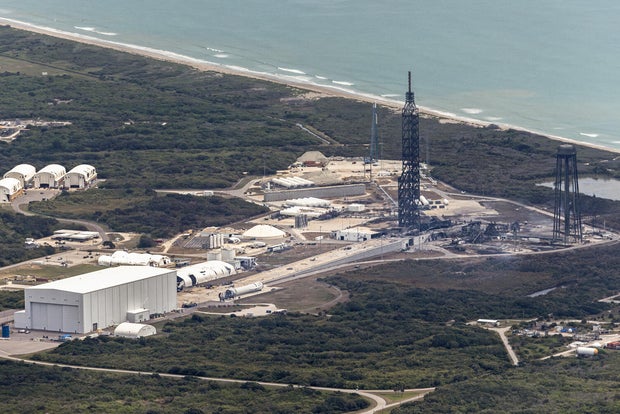
Blue Origin’s CEO, Dave Limp, communicated via social media that key components at the Cape Canaveral Space Force Station remained largely intact after the blast. The propellant tanks and nearby hangar avoided significant damage. While the main support gantry was affected, repairs can be made without dismantling.
“The propellant farm, oxygen, liquid hydrogen, and LNG tanks are in good shape. These are long lead items, so it’s fortunate they’re unharmed,” Limp noted. The water tower also survived, and the big support tower can be fixed on-site.
Impact on New Glenn Rocket
The New Glenn rocket involved in the explosion was completely destroyed alongside its transporter-erector. However, another booster and three upper stages stored at the pad’s integration facility are untouched, facilitating continued progress.
Next Steps and Future Plans
Blue Origin, already shifting away from their transporter-erector, will adopt an alternative vertical rocket assembly method, eliminating the need for a replacement transporter. While the specific cause of the explosion remains unidentified, Limp expressed determination with the company’s motto, “Gradatim Ferociter,” meaning “step by step, ferociously.”
Blue Origin was poised to launch its third New Glenn to deploy Amazon Leo satellites before the explosion. Engineers were conducting a standard “hot-fire” test, essential in validating system readiness and procedures under launch conditions. Unexpectedly, a fire ignited at the booster base, leading to a devastating explosion.
Recovery Efforts and Future Launches
The New Glenn mishap has parallels with a previous SpaceX incident but poses distinct challenges since Blue Origin operates solely from pad 36 at Cape Canaveral. Temporary grounding of New Glenn launches could impact NASA’s Artemis moon program, which requires timely launch capabilities to achieve its lunar ambitions.
NASA relies on both SpaceX and Blue Origin to test new moon landers next year. If successful, the agency hopes for multiple lunar missions, eventually establishing a permanent moon base. Blue Origin’s lander offers NASA a vital alternative, as SpaceX manages its own technological hurdles with Starship.
Despite setbacks, NASA’s Administrator Jared Isaacman and Kennedy Space Center Director Brian Hughes express optimism about meeting lunar landing goals. The agency pledges full support for Blue Origin’s recovery endeavors, emphasizing their commitment to lunar exploration and national achievement.
Implications for United Launch Alliance
The BE-4 engines used in the New Glenn are also integral to United Launch Alliance’s Vulcan rocket. A thorough investigation is underway to ascertain the explosion’s root cause, although initial indications suggest no major engine design fault.
As the industry eagerly awaits further updates, Blue Origin’s resilience offers hope for a swift return to ambitious space missions.
 Meta and YouTube Ordered to Pay Damages in Landmark Social Media Lawsuit
  60 Minutes Correspondents Decide to Stay Amid Crisis
  AI Impact: How AI Search is Transforming Professional Services and IT Budgets
  The Critical Role of Magnets in Modern Drone Warfare
  Rising Energy Demands Drive Innovative Solutions
  SpaceX Market Debut: Elon Musk’s Journey to Trillionaire Status