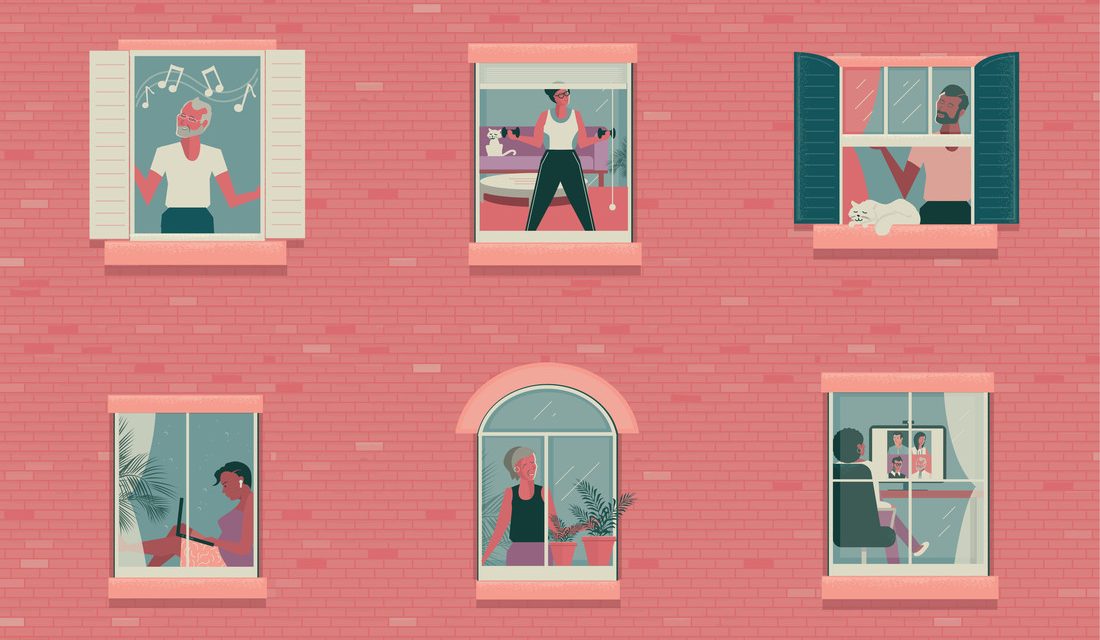
For many, working from home has not reduced working hours. On average, workdays extend by 49 minutes, and meeting frequencies have risen since the pandemic’s onset. Whether you commute to work or have a home office, disconnecting from work may already have been a challenge before COVID-19.
Burnout is globally prevalent. The World Health Organization’s International Classification of Diseases will classify burnout as a syndrome, an occupational phenomenon characterized by exhaustion, cynicism, and negativity. If this resonates with you, consider some introspection. When did you last watch a movie without checking your inbox? When did you last leave home without your phone? Are you able to eat or sit for an hour without any work distractions?
Journalist Celeste Headlee interviewed Amelia Aldao, a New York City therapist, on tips for reducing work stress and enhancing relaxation. Here are key points from their discussion:
On the Loneliness Epidemic
Isolation is prevalent, regardless of living arrangements—alone, with a partner, children, or extended family. This isolation has been problematic and is worsening, significantly affecting anxiety, depression, and physical health.
Understanding Guilt When Not Working
This guilt stems from internalized voices from family experiences. Guilt is challenging but serves as an emotional signal. Our high productivity expectations make us feel guilty when we fall short. To manage guilt, change your environment and expectations to reduce its occurrence. Once felt, guilt is difficult to manage due to its intensity, so proactive changes are crucial.
Applying Exposure Therapy
A technique that helps manage the compulsion to complete everything on your to-do list is exposure therapy. This involves prioritizing tasks and accepting incomplete lists. For example, slowing email responses and focusing on priority clients and teams reduces anxiety over time. As exposure therapy shows, facing anxious tasks regularly decreases their ability to cause anxiety.
This article is based on a podcast produced by Clare Lombardo. Share your thoughts by voicemail at 202-216-9823 or by email at [email protected]. For more insights, subscribe to our Life Kit newsletter.
 Potential Ebola Outbreak in Central Africa Raises Concerns of Rapid Spread
  Meta and YouTube Ordered to Pay Damages in Landmark Social Media Lawsuit
  Researchers Escorted Out of Diabetes Conference for Criticizing Trump Administration
  Ebola Outbreak in Africa: A Serious Concern
  60 Minutes Correspondents Decide to Stay Amid Crisis
  AI Impact: How AI Search is Transforming Professional Services and IT Budgets