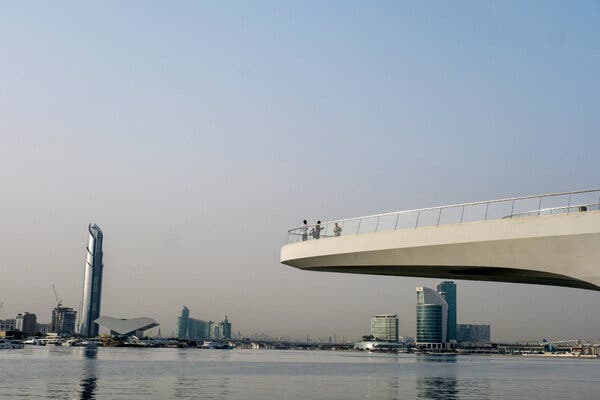
Dubai, often seen as a globalized city comparable to Switzerland, now faces economic challenges due to ongoing conflict in the Persian Gulf. The city, unlike its neighbors who heavily rely on oil, has built its economy around trade, tourism, finance, and logistics. This diversified model is now being tested.
On February 28, Iranian drone and missile attacks severely impacted Dubai. Iconic buildings like the Burj Al Arab were damaged. Even months later, some luxury hotels remain closed, while others, such as the Jumeirah Al Qasr, see little activity despite maintaining appearances.
The disruption of air travel and trade routes has shaken the core of Dubai’s economy. Stability, previously a major selling point, is now in question. Dr. Jim Krane from Rice University, an expert on Dubai’s economic strategy, explains that the city thrived as a hub for global talent and business, appealing to those who cross borders easily.
“When things go wrong, it’s a big disadvantage,” Krane notes. “Capital and people can both flee.”
The recent events serve as a stress test for Dubai’s model of resilience. The reliance on being a crossroads for international business now seems a vulnerability. As the conflict continues, Dubai must navigate the economic fallout of its strategic positioning.
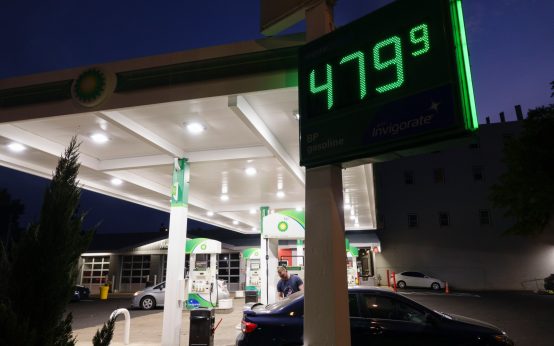 Potential Impact of Inflation on Social Security Benefits Due to Iran Conflict
  2026 FIFA World Cup Kicks Off with Exciting Matches and Anticipation for Erling Haaland’s Debut
  Putin’s Obsession and Psychological Projection
 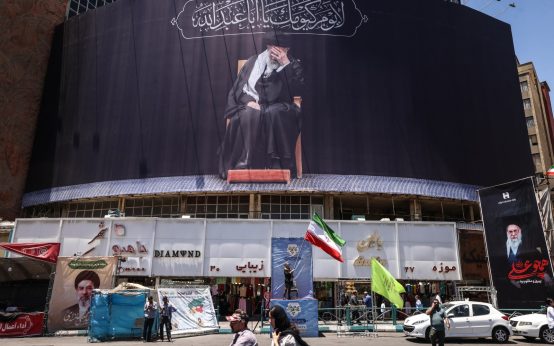 U.S. and Iran Move Toward Peace Amid War Tensions
 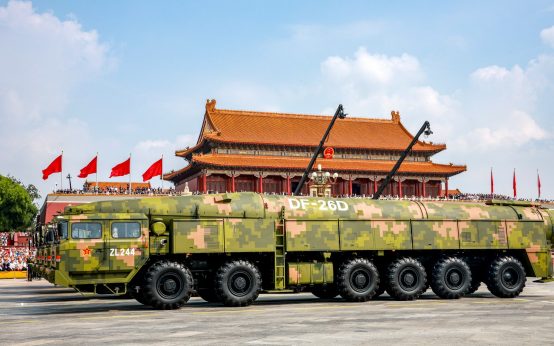 China’s Expanding Military Reach and Its Impact on Australia
 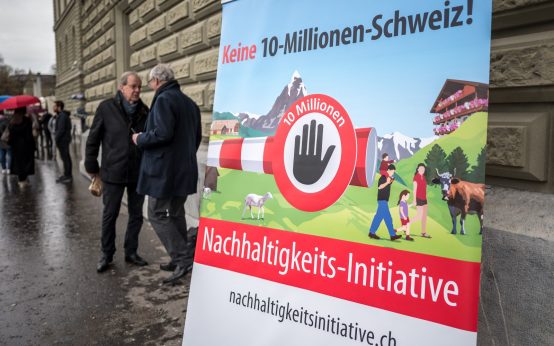 Swiss Voters Reject Population Cap Proposal