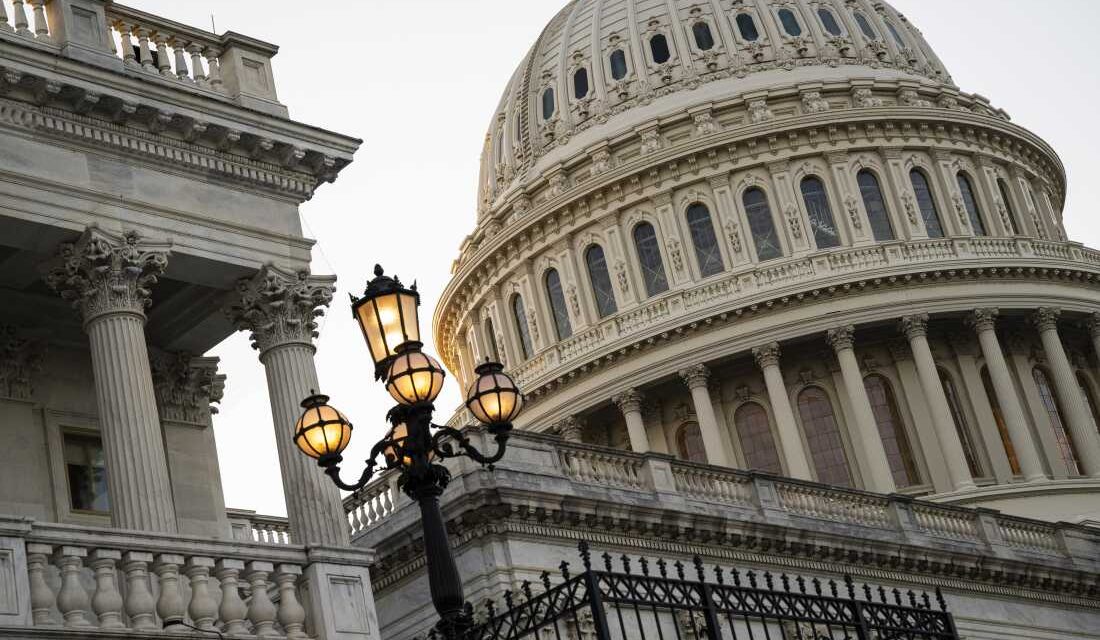
The U.S. House of Representatives has passed a significant bill aimed at addressing a longstanding issue in the labor movement. After a vote of 230 to 193, the House approved the Faster Labor Contracts Act. This measure is designed to speed up the often lengthy process of securing a first contract following a successful union election. Data from Bloomberg Law indicates that reaching such contracts can take an average of 465 days or even longer in some instances.
Currently, several unionized groups, including baristas at Starbucks in Buffalo, N.Y., and workers at the Amazon warehouse in Staten Island, remain without contracts despite unionizing in 2021 and 2022, respectively. With this bill, employers would be compelled to begin negotiations. If no contract is reached within 90 days, federal mediators could intervene. Should negotiations continue to stall, arbitration would follow to resolve disputes.
Congressman Donald Norcross, a sponsor of the bill, emphasized its significance. Describing it as the most impactful labor protection since before World War II, Norcross highlighted its potential to hold corporations accountable. Labor leader Sean O’Brien also supported the bill, asserting its potential to ensure timely contracts for unionized workers.
However, opposition remains. Some Republicans have voiced concerns about government overreach, arguing it may negatively impact employers, employees, and the broader economy.
“No more stop the steals. You got an election, you can get a contract,” said Norcross.
A Discharge Petition Brought the Bill Forward
The bill’s journey to the House floor was made possible through a discharge petition, a procedural tactic enabling a vote without the Speaker’s consent. Despite facing resistance, the petition gained support from seven Republicans, allowing the vote to proceed.
Now, the measure proceeds to the Senate. Here, it faces greater challenges. However, it has garnered support from some Republicans, such as Missouri Senator Josh Hawley, one of its sponsors.
An Expedited Framework for Contracts
Historically, Democrats have advocated for more comprehensive labor law reforms, notably through the PRO Act. The current bill mirrors an aspect of this previous proposal by implementing a streamlined timeline post-union election.
According to this timeline, employers must initiate contract talks within 10 days of a union vote. If negotiations stagnate after 90 days, either side can call in the Federal Mediation and Conciliation Service. Should negotiations remain unresolved 30 days later, an arbitration panel would rule on the dispute based on various factors, including company finances and industry standards. This agreement would last two years or until a mutually agreed-upon settlement is reached.
Criticism from Corporate Representatives
The measure has faced criticism from corporate representatives. The CHRO Association, which consists of chief human resource officers from 350 large corporations, criticized the bill in a letter to House Speaker Mike Johnson. Gregory Hoff, the association’s counsel, emphasized the complexity and duration of contract negotiations. He argued against allowing government arbitrators to impose contracts so soon after union elections.
Additionally, the effectiveness of the Federal Mediation and Conciliation Service has been questioned. The agency’s staff has been reduced by more than half under the Trump administration, raising doubts about its capability to manage an increased workload.
“It’s unreasonable to expect that the government arbitrator would have a better idea of what’s going on on the ground than people who actually work there,” says Hoff.
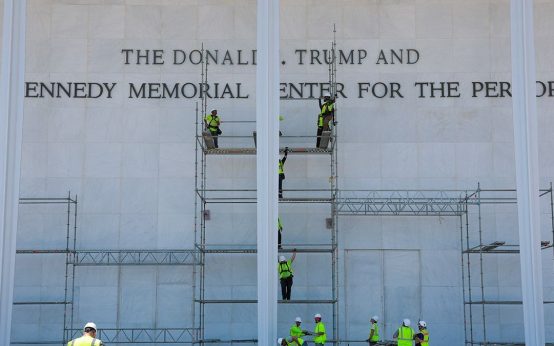 Trump’s Name Removed from Kennedy Center After Court Ruling
 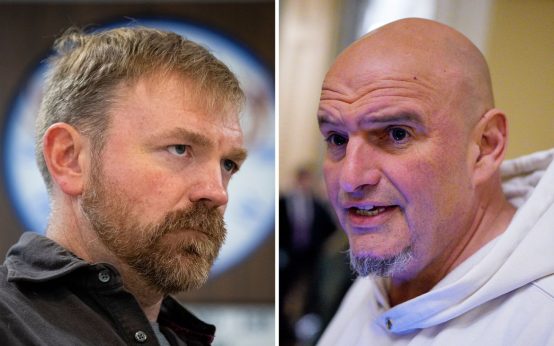 Democratic Tensions Flare as Fetterman and Platner Clash
  New Legislation Targets 3D Printing of Firearms
 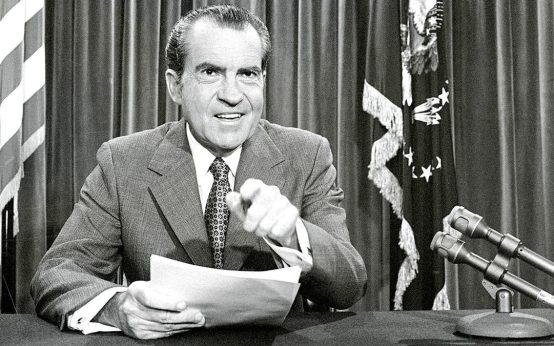 Former General Likens Trump’s Iran Strategy to Nixon’s Vietnam Bombing Campaign
  Removal of Trump’s Name from Kennedy Center Marks Judicial Enforcement
  Federal Judge Blocks Trump Administration’s National Park Changes