
Republican Senator Susan Collins is running for her sixth six-year term in the U.S. Senate, representing the left-leaning state of Maine. She has officially secured her nomination by running unopposed in the GOP primary. For Collins, this race is crucial as it may determine the Senate’s control, with Republicans aiming to maintain their slim majority.
Collins, aged 73, is a prime target for Democrats hoping to reclaim the Senate majority. In a recent interview with Fox News Digital, she said, “I have been the No. 1 target of Democratic Leader Chuck Schumer, not only in this campaign but the last two campaigns as well. I’m always his No. 1 target.”
“I believe that will be the conclusion of Maine voters. But, obviously, I don’t take anything for granted.” – Sen. Susan Collins
Collins is set to face Graham Platner, the likely Democratic nominee. Platner, a military veteran and oyster farmer, emerged as the front-runner after two-term Governor Janet Mills opted out of the race due to trailing in both fundraising and polling. Platner, however, faces his controversies, including past inflammatory online comments and a tattoo that resembled a Nazi symbol.
Platner has acknowledged his struggles with post-traumatic stress disorder, stemming from his four tours of duty in Afghanistan and Iraq. Addressing these issues, he mentioned, “I’m not proud of who I was then, but I am proud of the work I’ve done since, and the movement we are building in Maine.”
Supported by figures like Senators Bernie Sanders and Elizabeth Warren, Platner promotes an economically populist agenda. He targets corporate influence while advocating for the working class. Platner criticizes Collins, claiming her moderate Republican stance is deceptive and that she supports a system that favors the wealthy.
Republicans, who currently hold power, are dealing with traditional political challenges. These include inflation, rising gas prices, and low approval ratings for former President Donald Trump. Collins, however, focuses on programs supporting low-income families, like the low-income heating assistance program, emphasizing her opposition to cuts in vital support programs.
Public opinion polls suggest a competitive race between Collins and Platner. Collins has historically overcome Democratic efforts to unseat her, winning reelection six years ago by nearly nine points even when trailing in the polls.
Collins notes, “Fortunately, the people of Maine are smart, and they know lies and distortions when they see it.”
Paul Steinhauser is a politics reporter based in New Hampshire, covering campaigns across the nation.
 Pence Criticizes U.S. Concessions to Iran
  Everett Wess Wins Democratic Senate Nomination in Alabama
 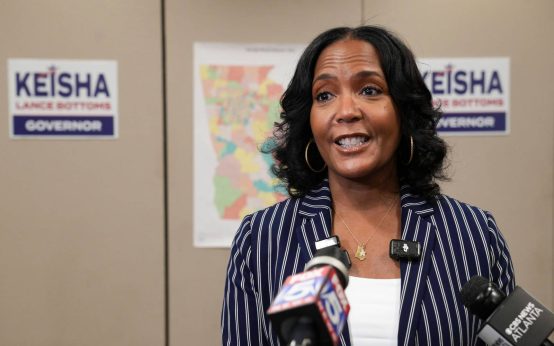 Keisha Lance Bottoms Challenges Republican Stronghold in 2026 Georgia Governor’s Race
  Trump-Endorsed Candidates Succeed in Primaries Despite Some Setbacks
  Rick Jackson Wins Republican Runoff for Georgia Governor
  Rep. Kevin Hern Aspires for Senate Seat Amid Voter ID Bill Debate