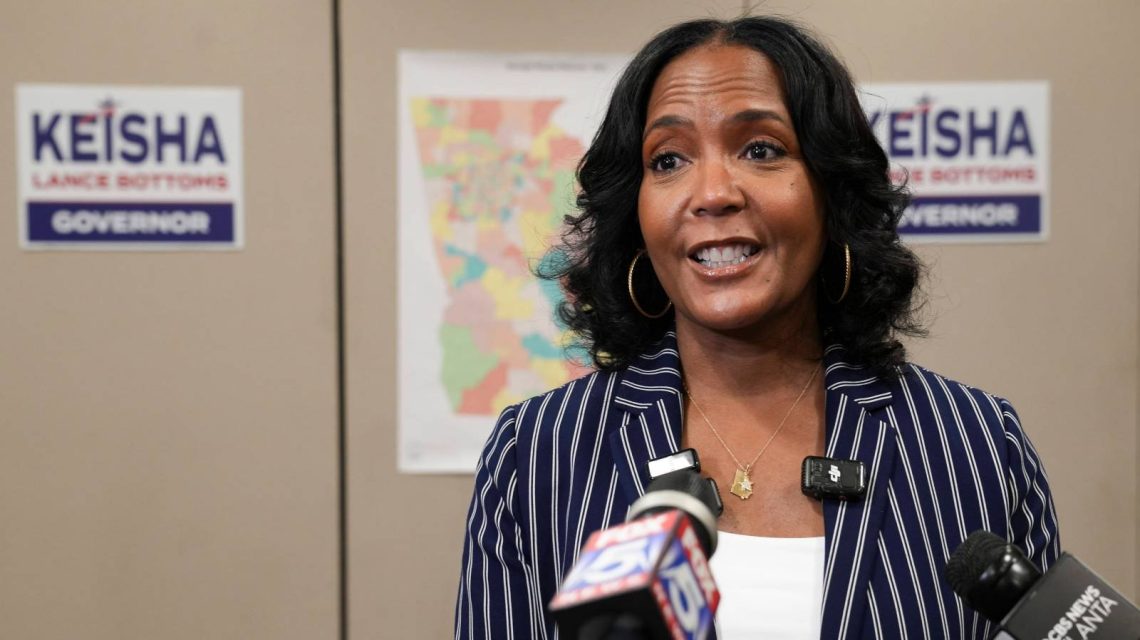
Former Atlanta Mayor Keisha Lance Bottoms is entering the 2026 Georgia gubernatorial race, bringing real momentum and a unique opportunity for Democrats in a state that hasn’t seen a Democratic governor in decades. The departure of Governor Brian Kemp opens the field, presenting Democrats with an opportunity to seize the governor’s office.
Bottoms leads in polls against her Republican opponents, outpacing Stacey Abrams’ performance at the same point in her campaign in 2020. The recent runoff has concluded, allowing Republicans to regroup and consolidate support behind one candidate, though Bottoms has already achieved a critical victory by winning the Democratic primary decisively in May. This success has enabled her to swiftly unify the Democratic Party, while Republicans faced a costly runoff between Lieutenant Governor Burt Jones and businessman Rick Jackson. According to early polls, Bottoms is competitive and sometimes leads against her Republican counterpart.
Georgia remains a quintessential swing state, making the race unpredictable. The outcome hinges on voter turnout, national political trends, and Republican unity following their divisive primary.
Keisha Lance Bottoms’ Matchup Against Rick Jackson
Rick Jackson emerged victorious from the Republican runoff, securing 52.7 percent of the vote as confirmed by the Associated Press. Facing Jackson presents a new challenge for Bottoms.
Jackson, a wealthy healthcare executive, has injected tens of millions of dollars into his campaign, presenting himself as an outsider ready to challenge the Republican status quo. This self-funding ability gives him a competitive edge in advertising, enabling him to campaign without depending on traditional party donors. His outsider image might appeal to voters disillusioned with party politics or concerned about career politicians.
Jackson lacks the institutional experience and political support network that another candidate, Jones, might have offered. His campaign emphasizes business prowess and tax cut promises, not legislative accomplishments. This could expose him to critiques from Bottoms, who can highlight her time as Atlanta mayor and federal public service.
Recent polling from Concord Public Opinion Partners, sponsored by the Democrat-aligned nonprofit Education Reform Now Advocacy, shows Bottoms with a 15-point lead over Jackson. Prediction markets like Kalshi and Polymarket report a 53 percent and 56 percent probability of Bottoms winning, respectively, compared to Republicans’ lower figures.
However, Jackson’s financial resources might reduce this advantage. His spending has positioned him well in the primary, and continued investments could shift the dynamics of the general election. Bottoms must maintain her momentum while countering Jackson’s ability to quickly shape voter perceptions.
Historical Context and Democratic Challenges in Georgia
One notable challenge for Bottoms is Georgia’s history regarding Democratic governors. The last Democrat elected was Roy Barnes, who served from 1999 to 2003. Since Barnes, Republicans have maintained their control, despite Democrats gaining ground in federal positions.
This long gap highlights the difficulty Democrats face in achieving gubernatorial victory. Although Georgia has grown more competitive, with Democratic success in Senate elections and tight presidential races, Republicans still dominate statewide executive positions. Recent elections highlight this reality; Kemp’s 2022 reelection displayed significant GOP strength.
Bottoms must achieve robust Democratic voter turnout and crossover support from independents and moderate Republicans, a challenge Democrats have historically faced in gubernatorial contests.
The 2026 race, however, presents a unique opening without an incumbent. This resets the contest, offering Democrats an opportunity to leverage favorable conditions typically absent in incumbent-led races.
Trump’s Impact on the Georgia Race
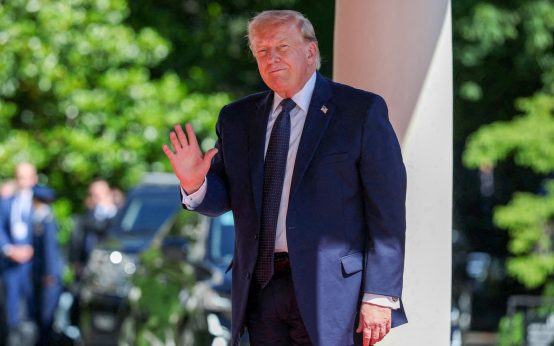
The national political environment plays a crucial role, particularly Trump’s popularity. Recent polls show Trump’s approval rating in Georgia is at 41 percent, with a net approval of -20 percent, influenced by economic performance and unpopular foreign policy actions. This low approval might impede Republican efforts to attract independents and suburban voters, which is critical in Georgia’s tight races.
Bottoms sees Trump’s standing as a strategic edge, aligning her campaign against Trump-associated Republican candidates and mobilizing anti-Trump voters. Yet, anti-Trump sentiment alone isn’t enough to win without strong candidate-specific appeal, given Georgia’s divided electorate.
Bottoms starts her campaign stronger than any recent Democratic candidate but faces a narrow path to victory. She has polling advantages, party unity, and potentially favorable political conditions but must overcome longstanding Democratic setbacks in state races and contend with a financially powerful Republican challenger.
The election outcome will depend on voter turnout, persuading independents, and the national political climate. Georgia remains a battleground state, where even slight changes in voter opinion could decide the race.
 Everett Wess Wins Democratic Senate Nomination in Alabama
  Trump-Endorsed Candidates Succeed in Primaries Despite Some Setbacks
 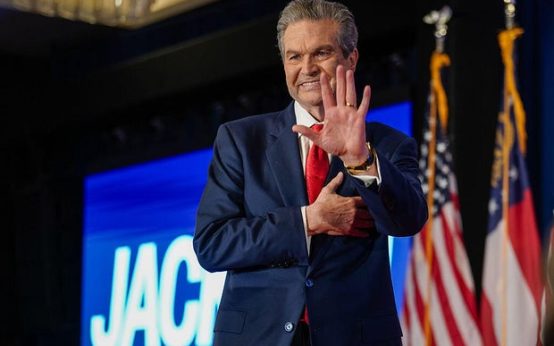 Rick Jackson Wins Republican Runoff for Georgia Governor
 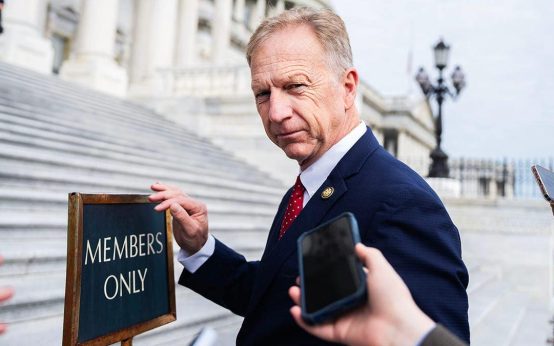 Rep. Kevin Hern Aspires for Senate Seat Amid Voter ID Bill Debate
 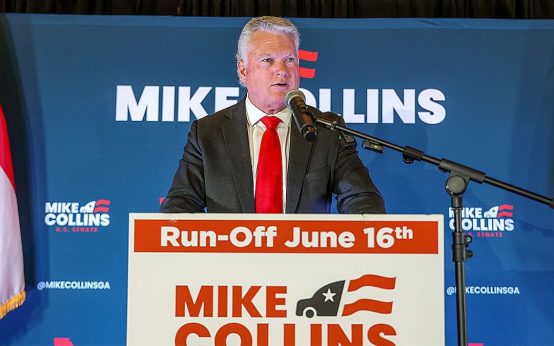 MAGA Backed Mike Collins Wins GOP Senate Nomination in Georgia
  President Trump’s Rising Approval Among Hispanic Americans