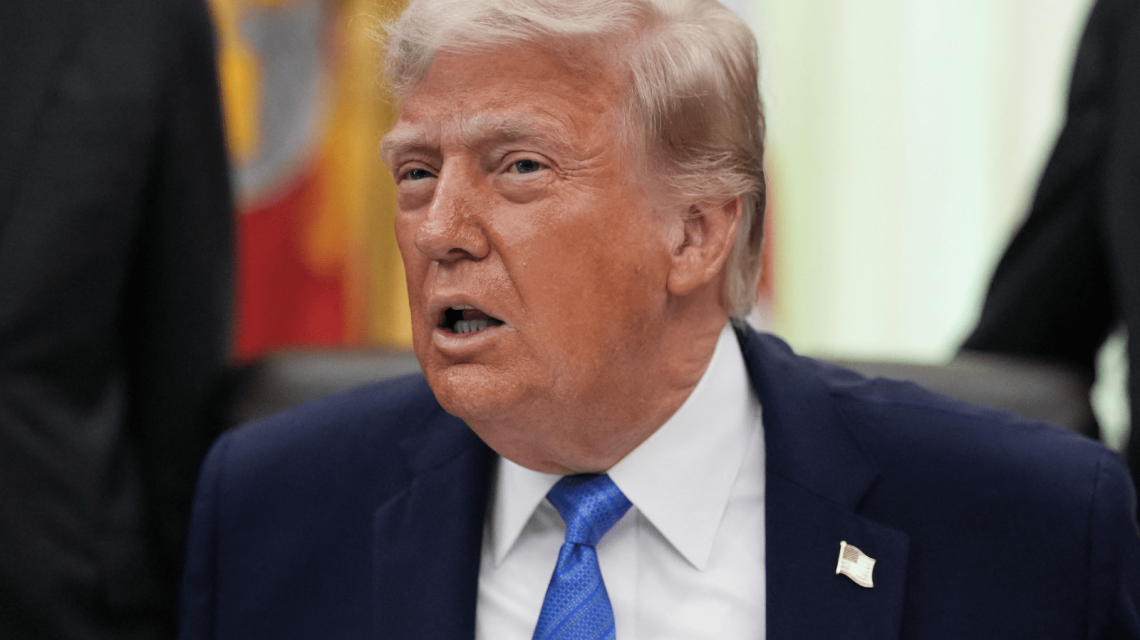
President Donald Trump recently expressed uncertainty over renewing the United States-Mexico-Canada Agreement (USMCA), amidst the three countries’ co-hosting of the 2026 FIFA World Cup. His comments underscore the tension between economic competition and political cooperation in North America.
Trump’s Statements on USMCA
On June 10, Trump indicated he might not renew the USMCA, even as the United States, Canada, and Mexico co-host the FIFA World Cup. This timing highlights tensions that could alter North American trade during ongoing negotiations. Businesses, exporters, and supply chains across the three nations face uncertainty ahead of the USMCA review talks scheduled later this month.
Significance of 2026 USMCA Review
North America approaches a critical phase in the trade relationship, with renewal discussions set for 2026. If the three governments decide against extending the USMCA, the agreement risks drifting toward expiration by 2036. Trump’s remarks highlight long-standing issues over trade deficits, tariffs, and industrial policies, creating uncertainty in this economically integrated region.
Impact of Trump’s Remarks
Trump’s comments came just before the start of the 2026 FIFA World Cup. This global event is jointly hosted by the countries now facing renewed trade tension. Though the event showcases continental cooperation, Trump’s statement on the USMCA reflects a divergent view.
During his first term, Trump replaced NAFTA with the USMCA. The agreement demands a review every six years to decide on an extension beyond 2036. Failure to agree on an extension would not end the pact instantly, but would start a cycle of annual reviews, leading to renegotiations and uncertainty.
“I made the deal and the primary reason I made the deal is that NAFTA was the worst trade deal I’ve ever seen. I made it better. But I had the right to terminate,” Trump stated. He advocates for rebalancing trade, citing deficits with Canada and Mexico, advocating for U.S. surpluses instead.
Data by Reuters shows a $46 billion goods deficit with Canada and a $197 billion one with Mexico. The USMCA facilitates about $1.6 trillion in trilateral trade, enabling tariff-free movement of most goods across North America. Companies benefit from integrated supply chains in sectors like autos, energy, and agriculture.
USMCA Review Process
The agreement requires all three countries to indicate by July 1 whether they want an extension for another 16 years. Disagreement leads to an annual review cycle, potentially lasting up to a decade before expiration.
“I don’t know that I’m going to redo it because, to be honest with you. We don’t need anything Canada has, we don’t need anything that Mexico has, but they need everything that we have, and they have to treat us better,” Trump continued. He points out trade deficits with both countries, advocating for U.S. surpluses.
Canada has urged early renewal, emphasizing cross-border trade stability. While clashing over tariffs, officials in Canada and Mexico continue to support the framework.
Economic Cooperation and Tensions
The duality of hosting a major sporting event while grappling with economic tension is notable. Trump’s approach involves collaborating with allies on global events but pressing them on trade. North America experiences this dual reality of cooperation and conflict.
Gordie Howe International Bridge
The Gordie Howe International Bridge between Detroit and Windsor aims to enhance economic ties. The project, nearing completion, will reduce congestion in one of North America’s busiest trade corridors. Despite this, political pressures influenced its progression, as Trump previously threatened to renegotiate or block parts of the bridge, advocating for more U.S. ownership.
Canadian Prime Minister Mark Carney acknowledged possible project delays, emphasizing the bridge’s long-term benefits for both nations in trade and tourism.
Future of North American Trade
The coming weeks will determine whether the USMCA faces renegotiation, prolonged uncertainty, or significant changes. Talks in Washington on June 16-17 and in Mexico City in July will address key sectors, potentially shaping North America’s economic future.
 Sen. Susan Collins Reflects on Her Political Journey and Election Challenges
 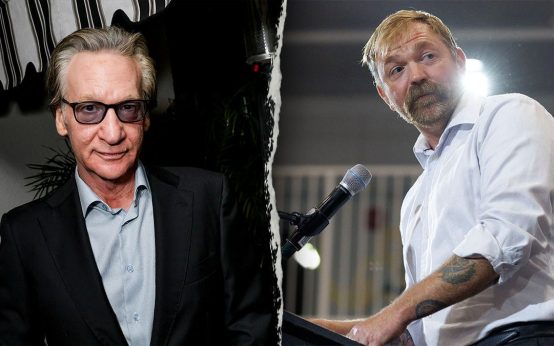 Maine Voters React to Graham Platner’s Controversial Past
 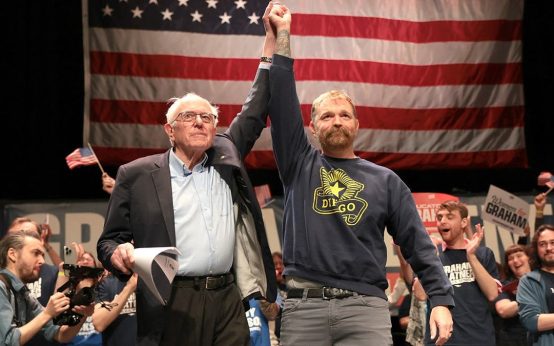 Graham Platner’s Senate Run Amid Controversies
  Spencer Pratt Escalates Tensions in Los Angeles Politics
  Analysis of Trump’s Executive Order on Federal Employees
  Texas Leads in Proposed Legislation for Other Conservative States