Republicans on Capitol Hill call for more insight into the United States-Iran agreement detailed by President Donald Trump, amid skepticism and requests for White House briefings. This deal, revealed on Sunday, aims to end the conflict in Iran, with a ceremonial signing set for Friday in Geneva. Key elements include reopening the Strait of Hormuz and lifting the US naval blockade, alongside financial incentives for Iran upon meeting certain targets.
However, Senate Republicans and Democrats returning to Washington express concerns over the deal’s specifics, demanding comprehensive briefings before its finalization. Senate Majority Leader John Thune mentioned the uncertainty, stating, “I just don’t know enough about it.” Others share this sentiment, highlighting the necessity for clarity and enforcement mechanisms.
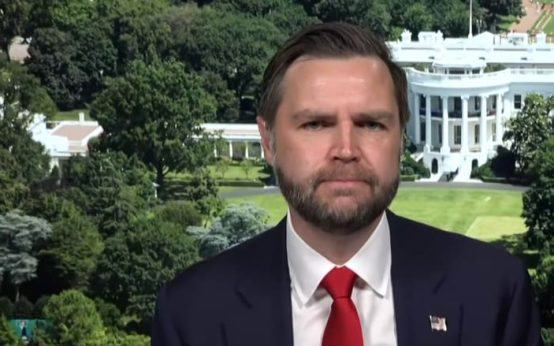
Vice President JD Vance promised the release of the agreement’s text this week, asserting no financial benefits would reach Iran without fulfilling obligations. Details on Iran’s nuclear program remain vague. The memorandum hints at releasing Iran’s frozen funds, potential sanctions relief, and a $300 billion reconstruction fund, conditional on Iran meeting certain milestones.
Senate Republicans like John Kennedy express caution over trusting Iran, emphasizing stringent inspections. Under the Iran nuclear agreement review act from the Obama administration, details must reach Congress for examination. Previous agreements, such as the JCPOA, faced Senate votes, although the outcome was non-binding.
Sen. Lindsey Graham, previously skeptical, hopes for congressional review and votes, remaining cautious of how Iran describes the deal. He anticipates JD Vance, seen as the agreement’s architect, to present the specifics to lawmakers. Vance urged careful consideration of the actual agreement rather than Iranian rhetoric.
Despite Iran’s unchanged leadership under Mojtaba Khamenei and the Revolutionary Guard’s prominence, Vance noted improved direct negotiations with high-level Iranian officials, hinting at a changed relationship.
While Senate Republicans show interest in reviewing the deal, consensus on voting remains ambiguous. Opinions differ among Republicans like Sen. Eric Schmitt, who finds a vote unnecessary, to Sen. Ted Cruz, who praises Trump’s actions against Iran as a major decision enhancing America’s security.
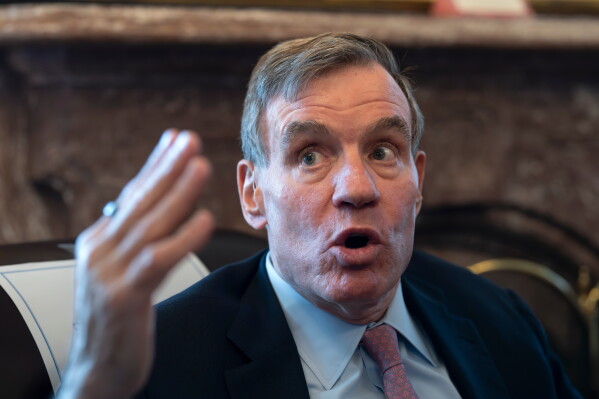
On the Democratic front, Sen. Mark Warner questions whether the new deal improves on the previous status and how it differs markedly from the 2015 nuclear deal. Sen. Elizabeth Warren expressed concerns over the clarity about the impacts on the Iranian nuclear program and sanctions on oil.
Sen. Tim Kaine acknowledges the end of a costly conflict as beneficial but seeks detailed insights before full endorsement.
Associated Press writers Michelle Price and Bill Barrow contributed to this report.
 Senator Lindsey Graham and UFC CEO Dana White Criticize Fighter Josh Hokit for Comments on Michelle Obama
  G7 Summit Focuses on Russia-Ukraine Conflict as Trump and Zelenskyy Set to Meet
  World Cup Matchday 5: Surprises and Performances
  Iran’s World Cup Journey After Politically Charged Match
  Iran’s Struggle for Independence and Global Realignment
  Emerging Political Movement Strives for Unity in Israel