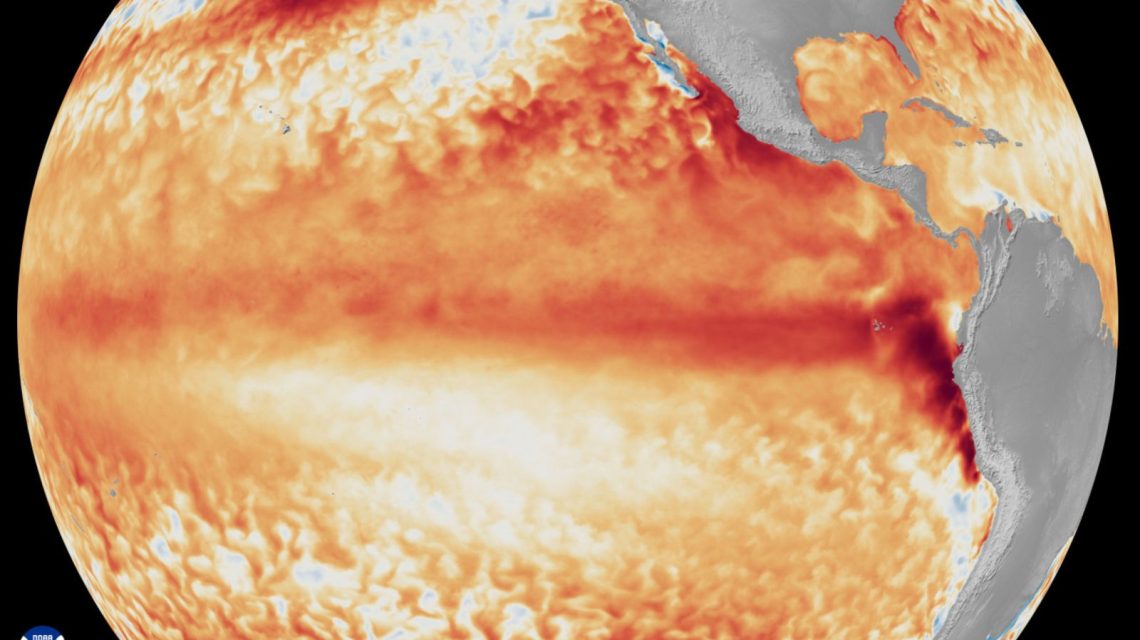
Australia’s Bureau of Meteorology has reported the formation of the El Niño climate pattern in the tropical Pacific. This event may evolve into one of the most intense occurrences in 70 years. The phenomenon is distinguished by unusually warm sea-surface temperatures in the central and eastern Pacific Ocean.
Experts forecast that El Niño will strengthen during the second half of 2026. Some predictive models suggest it could be among the strongest since 1950. The Bureau of Meteorology stated, “Forecasts are pointing towards a strong to very strong El Niño event, based on the extent of warming in the central tropical Pacific. Around half of the models indicate this event could peak at levels among the highest observed since 1950.”
Potential Impact on Australia
Australia is particularly susceptible to El Niño, often experiencing below-average rainfall and above-average temperatures in large areas. The bureau highlighted that El Niño might raise frost risks and elevate fire threats, imposing further stress on crops and livestock.
As a leading exporter of wheat, sugar, and beef, Australia’s agricultural performance greatly influences global food markets. The nation endured an El Niño event from 2023 to 2024 that contributed to an exceptionally dry three-month period. A previous event from 2015 to 2016 led to severe drought conditions, affecting grain and oilseed production.
According to the Bureau of Meteorology, El Niño events usually last six to 12 months. However, some have extended up to two years, with expectations that the current event may persist into 2027.
Implications for the United States
In the U.S., El Niño’s significant impacts generally manifest during winter when Pacific Ocean warming alters the jet stream position and modifies major storm paths. This pattern often results in wetter and stormier conditions across the southern U.S., particularly in California, the Southwest, the Gulf Coast, and the Southeast.
While increased precipitation can replenish reservoirs and alleviate drought, it also raises the potential for floods and mudslides in susceptible regions. Conversely, the northern U.S. frequently experiences warmer winters during El Niño events, reducing heating requirements and the chance of prolonged cold spells.
Additionally, El Niño may affect the 2026 Atlantic hurricane season. Strong upper-level winds linked to El Niño generally suppress hurricane development in the Atlantic region.
 Positive Developments for Coral Reefs Amid Global Warming
  Ukraine Strikes Moscow Oil Refinery in Drone Attack
  Challenges in Training for the Emerging Lithium Industry
  The Rookery Building: A Testament to the Birth of Modern Skyscrapers
  Reflecting Pool’s Algal Bloom Returns After Renovation
  SWALCO’s Success in Waste Recycling