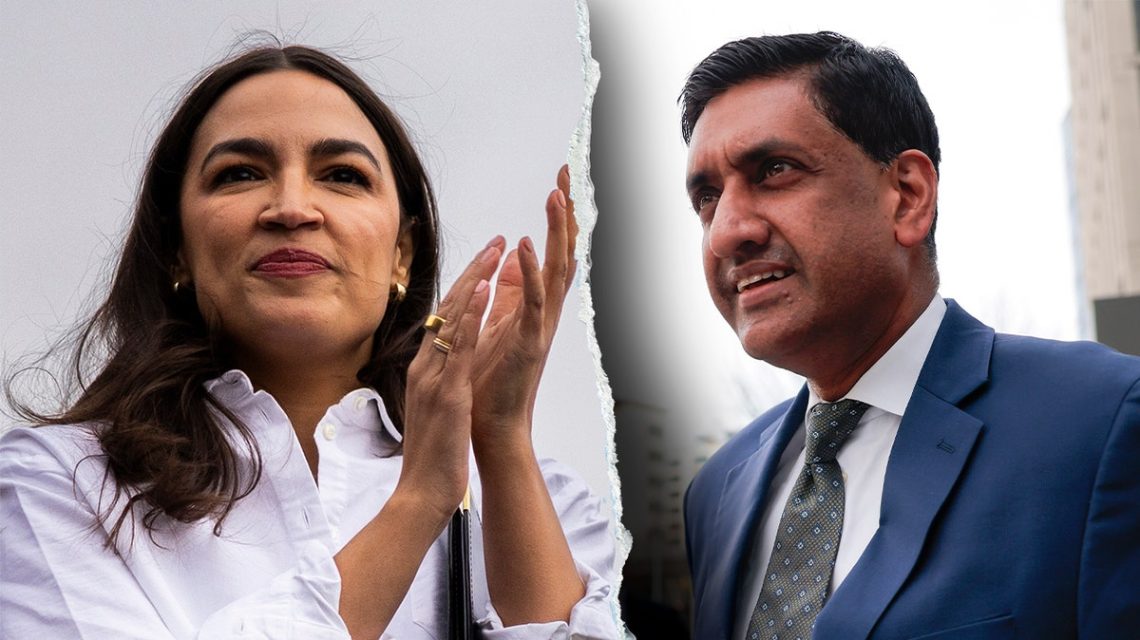
With the upcoming midterms, progressive Democrats have introduced a new term, “The Epstein Class,” as a replacement for “The 1%.” This term carries significant implications. Notable Democrats, including Georgia Sen. Jon Ossoff and Maryland Rep. Jaime Raskin, are adopting this terminology.
The question emerges: Who constitutes this alleged “Epstein Class”? Rep. Ro Khanna, D-Calif., offers insights into this murky concept. This term seems designed to define a group of influential individuals prioritizing status over humanity, as suggested by the Epstein files.
The conversation with Khanna demonstrates that the term goes beyond specific names like Elon Musk or George Soros. Instead, it symbolizes a wealthy, powerful elite with disproportionate influence in the economy.
“What the Epstein files revealed is a group of powerful and wealthy men more concerned with their status and networks than decency and humanity,” says Khanna.
Khanna emphasizes that there’s no secret conspiracy involved. It’s about a group wielding influence, echoing historical economic elites. The use of the term “Epstein Class” adds a layer of controversy, likening it to the Occupy Wall Street critique of the 1%.
Meanwhile, even some Republicans, such as former Rep. Marjorie Taylor Greene and outgoing Rep. Thomas Massie, R-Ky., have embraced this narrative, applying it broadly without specific evidence.
Voters need to discern that the “Epstein Class” label is a targeted critique against certain wealthy individuals in politics. The rhetoric holds potential risks, echoing past movements like Occupy Wall Street in shifting political discourse.
 Federal Government Attempts to Halt Reparations Programs, Citing Constitutional Concerns
  Congress Faces Challenges of Trump’s Iran War
  VP Vance Addresses US-Iran Nuclear Talks and Strait of Hormuz Security
 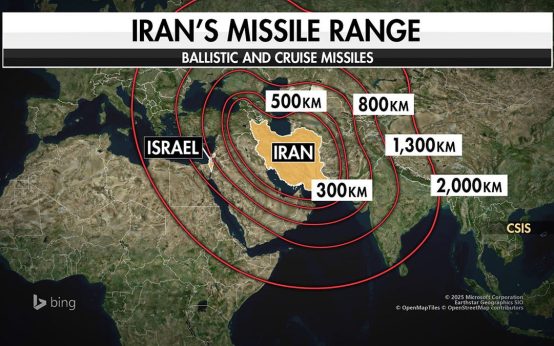 Trump’s Changing Stance on Iran’s Missile and Nuclear Capabilities
  Legal Dispute Over Kennedy Center Renovations Unfolds
 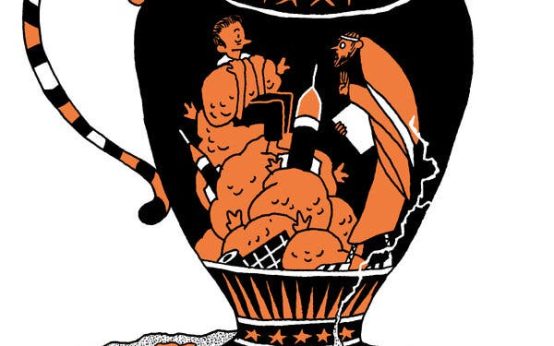 Elon Musk’s Wealth Sparks Discussions on Economic Inequality