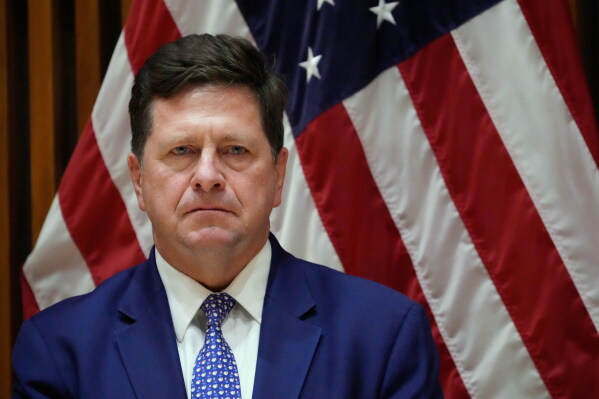
President Donald Trump disrupted the confirmation process for his own nominee to lead the nation’s intelligence agencies. This surprising action upended Senate efforts to renew a key surveillance program and created tension with fellow Republicans in Congress.
From the Group of Seven summit in France, Trump announced on social media that he was delaying the nomination of federal prosecutor Jay Clayton as director of national intelligence. This came just hours before Clayton’s scheduled hearing, despite bipartisan support for the nominee and Republican efforts to expedite the process. Jay Clayton, a U.S. Attorney for the Southern District of New York, was praised as a patriot and a highly qualified nominee.
Senate Intelligence Committee Chairman Tom Cotton expressed his intention to proceed with the hearing unless Trump instructed otherwise. However, after receiving directives, the hearing was postponed. Cotton remarked it was regrettable but looked forward to eventually moving forward with Clayton’s confirmation.
The delay means that Trump’s temporary appointee for the intelligence role, housing official Bill Pulte, might assume the position when outgoing director Tulsi Gabbard leaves office. Pulte, a Trump loyalist, has faced criticism due to his lack of national security experience and for using his role to target perceived adversaries. Trump defended Pulte as talented.
Trump criticized the rapid process to confirm Clayton, calling it a “rush act by the Democrats.” He suggested that there was opposition to Pulte from Democrats who were using Pulte’s appointment to block the renewal of Section 702 of the Foreign Intelligence Surveillance Act (FISA). The surveillance authority expired recently, grounding diplomatic efforts for its renewal.
Further complicating the situation, Trump linked the FISA renewal to his proposal for requiring proof of citizenship for voters, a bill lacking Senate support. This desire contributed to the delay, with Trump unwilling to remove Clayton from his current post until a replacement was confirmed.
Senate Majority Leader John Thune expressed uncertainty over why Trump delayed the confirmation, reflecting the heightened tensions between the White House and Congress. Virginia Sen. Mark Warner labeled the situation as a sign of dysfunction. Warner said the main obstacle to resolution was chaotic communication from the White House.
Recently, interactions between Trump and Senate Republicans have seen various disputes. A funding bill for Trump’s immigration departments was delayed when Republicans contested specific allocations. Despite these challenges, GOP leaders seek to rectify current mishaps.
Senator Thom Tillis criticized Trump’s recent decisions, suggesting they jeopardize intended outcomes. He explained that Clayton had strong prospects before recent developments. Tillis viewed Pulte’s appointment as inappropriate.
Democrats argue Trump is placing American safety at risk by pushing loyal allies into critical roles. Criticism from Sen. Elissa Slotkin, a former CIA analyst, and Sen. Angus King reflect broader concerns about Pulte.
FISA’s renewal is crucial. National security officials emphasize Section 702’s significance for intelligence activities. Despite its expiration, a prior court order permits temporary continuation. However, there could be challenges in future authority and collaboration with communication companies.
Trump’s delay indicates a lack of prioritization, stated Senate Democratic leader Chuck Schumer.
 Trump’s Approach to Iran: Expectations Versus Reality
 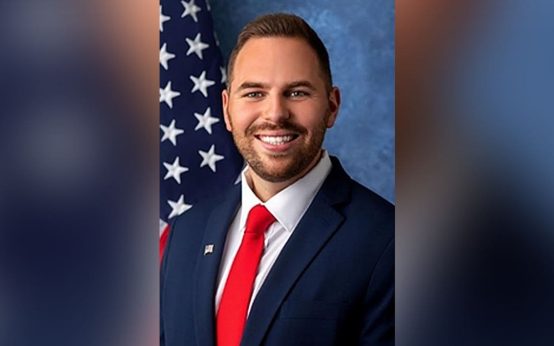 Trump Withdraws Endorsement of Oklahoma Candidate Lahmeyer in Favor of Tedford
 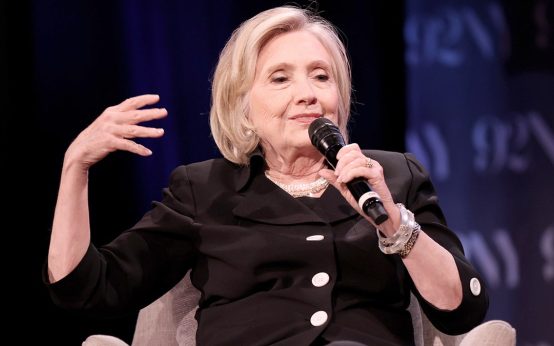 Hillary Clinton Comments on Maine Democratic Senate Candidate Graham Platner
  Trump-Endorsed Candidate Pledges Salary to Veteran’s Family
  Chicago Considers Renaming Landmarks for Prominent Figures
 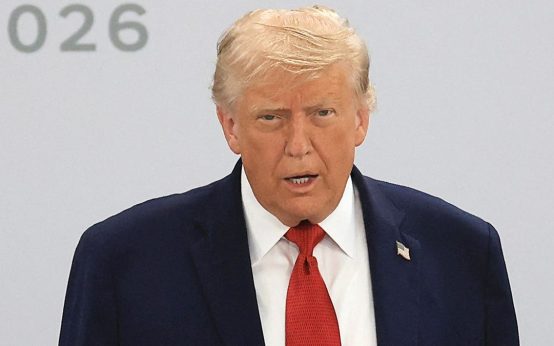 Critics Slam Trump’s Iran Agreement Amidst Divided Opinions