
In California, recent voting patterns signal growing hesitation to approve local tax increases amidst rising living costs. During the June election, more voters than usual rejected proposed tax hikes, indicating financial concerns are taking precedence in decision-making.
In Riverside, voters turned down a proposed sales tax increase meant to fund the fire department and other public services. Similarly, Contra Costa County residents opposed a sales tax hike intended to boost funding for healthcare. This shift is evident with only about 60 percent of approximately 90 local measures statewide receiving voter approval. This is a decline from the typical 75 percent approval rate, as reported by the California Taxpayers Association and Michael Coleman, a recognized expert on local tax measures.
The reluctance observed in June might pose challenges for California governments planning to propose new tax measures in upcoming elections. Among these is a tax proposal for funding the Bay Area Rapid Transit system.
Mark Baldassare, the survey director at the Public Policy Institute of California, remarked, “People are now at the point of weighing the consequences of paying higher taxes and being more selective about what taxes they’ll want to pass.”
Baldassare noted a historical preference among Californians for a governance model featuring higher taxes coupled with more services. However, this preference shifted in 2023, with a growing number of residents, across different political affiliations and regions, now favoring lower taxes and reduced government services.
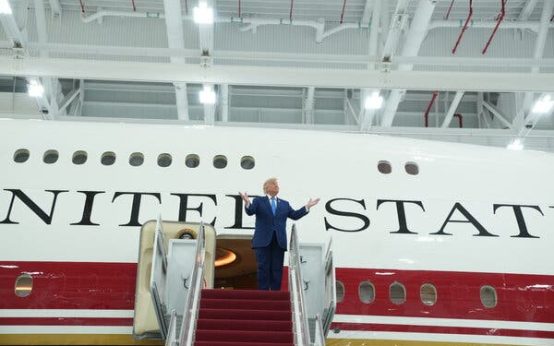 President Trump Unveils New Air Force One
  Political Analysis on PBS NewsHour
 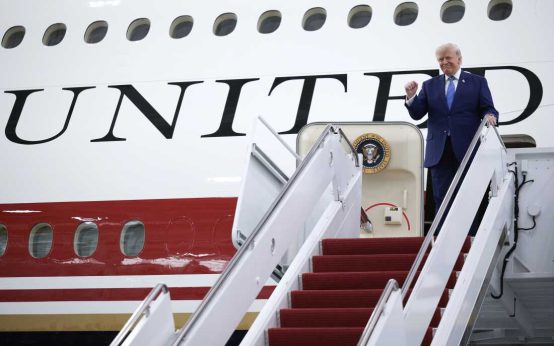 Trump Tours New Air Force One Gifted by Qatar
  California Attorney General Criticizes Trump Over DOJ Probe Into Newsom
  Trump’s Dual Endorsement in South Carolina Runoff
 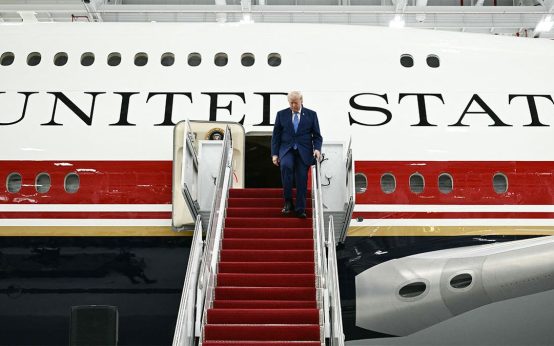 Trump Unveils Revamped Presidential Aircraft: A Closer Look