
The Climate Prediction Center of the NOAA released its three-month forecast on June 18. The forecast points to a significant chance of above-normal temperatures for much of the country.
Temperature Outlook:
Summer begins on June 21, marking the start of potentially high temperatures. The forecast highlights that regions like Oregon and Washington face the highest likelihood of experiencing above-average temperatures in July, August, and September. Conversely, states including Illinois, parts of Wisconsin, Iowa, and Missouri have a roughly 30% chance of seeing temperatures below the historical average. This statistical data is based on climate records from 1991 to 2020.
According to Scott Handel, a meteorologist at the National Weather Service, the trend shows warmer conditions across most of the nation during these months.
Precipitation and Risks:
For precipitation, little deviation from historical averages is expected. However, certain regions including Southern California, Utah, Arizona, and parts of Nevada, Idaho, Wyoming, Colorado, and New Mexico anticipate higher-than-average rainfall. This would be particularly beneficial for areas experiencing drought and a high risk of wildfires.
Chad Merrill, a senior meteorologist at AccuWeather, explains that the anticipated rainfall results from a mix of monsoon moisture and potential tropical storms from the eastern Pacific. Despite this, the long-range forecast from AccuWeather suggests an increased fire risk in the Northwest, where it remains warmer and drier than usual.
The northern Rockies are likely to see more intense drought conditions. Merrill warned that dry thunderstorms could trigger wildfires at the onset of the monsoon season in the Southwest. Although increased moisture from late July to August may reduce wildfire risk, it raises the possibility of sudden flooding.
Consequently, the Southwest is at risk of shifting from hot, dry conditions with fire threats to sudden flooding events. The flooding risk extends from northern Texas into the Midwest as well.
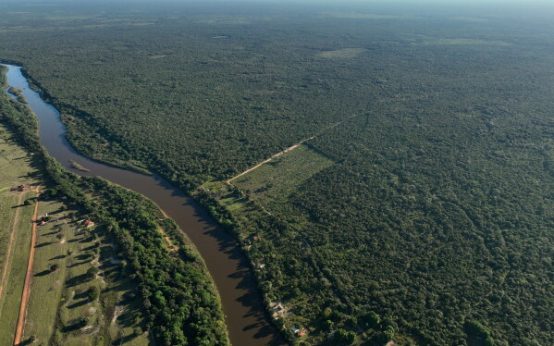 Cattle Removal on Bananal Island Sparks Complex Debate
  Disneyland’s Autopia Ride to Transition to Electric
 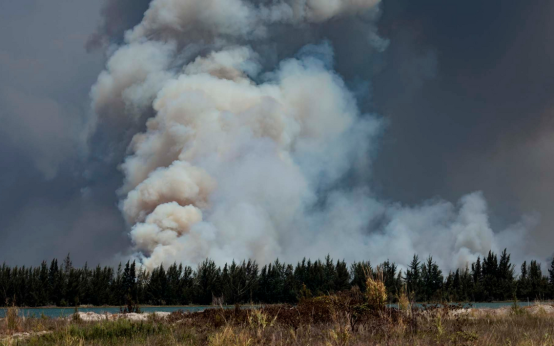 Wildfires Continue to Burn in Miami-Dade, Affecting Air Quality and Travel
 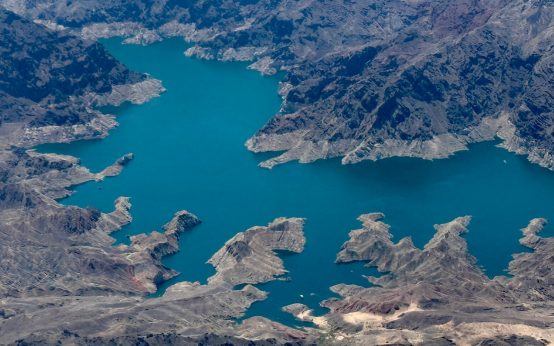 Lake Mead’s Accelerating Decline: New Projections and Implications
 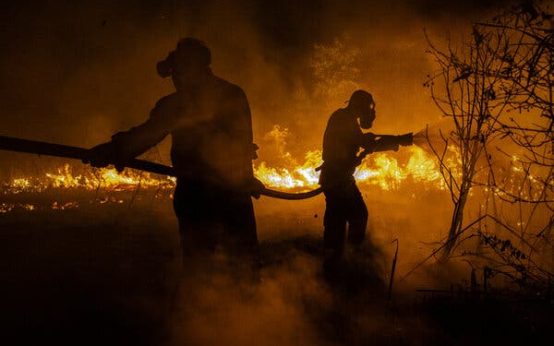 Debate on Climate Change’s Impact on El Niño Intensifies
  Southeast Asia Turns to Solar Energy Amid Energy Crisis