
Texas has a legacy of bold political personalities making significant stands, akin to the historic actions of Davey Crockett at the Alamo. Recently, Rep. Jasmine Crockett, D-Texas, has been in the spotlight for her refusal to support James Talarico, who defeated her in the primary. Her stance has raised questions among Democrats.
Crockett, known for her outspoken nature, told the Dallas Morning News that she is unsure whether she will support Talarico in the November elections. She mentioned her focus is on down-ballot races, signaling her disinterest in actively endorsing Talarico. Furthermore, Crockett has opted not to speak at the Texas Democratic Party Convention for Talarico and has decided to skip the event altogether.
Some view Crockett’s actions as possibly stemming from personal frustration. Regardless of her motivations, Democratic strategists have reasons to be concerned about her withdrawal of support. Notably, GOP Sen. John Cornyn, who lost his primary, also declined to endorse his victorious opponent, Ken Paxton. Without Crockett’s backing, Talarico may lack a vital narrative against his Republican challenger.
The deeper issue highlighted by Crockett’s stance is the concern among Black Democrats regarding their marginalization within the party. In Democratic strongholds like New York City, the Democratic Socialists of America are gaining influence, often sidelining established Black leaders. The demographic shift is largely driven by affluent, educated White individuals who strongly align with progressive ideals.
New York City’s political scene underscores these changes. Mayor Zohran Mamdani recently rallied for socialist candidates who stand against prominent Black politicians like House Speaker Hakeem Jeffries. This dynamic points to shifting power structures within urban Democratic politics.
Meanwhile, in competitive state Senate races, Democrats seem to favor relatable White candidates. In Maine, Graham Platner represents this trend despite his controversial history. In Texas, race emerged as a central theme during the Democratic primary. A viral incident featured a White voter emotionally expressing her need to vote for Talarico over Crockett due to perceived racial limitations.
“I have to commit an act of racism to fight racism,” said the voter while expressing support for Talarico.
Crockett’s commitment to down-ballot campaigns reflects her disillusionment with Democratic priorities and suggests broader disenchantment among her supporters.
Republicans should consider Crockett’s stance as an opportunity to engage Black voters dissatisfied with certain Democratic policies, particularly those involving social issues.
While Davey Crockett’s legacy at the Alamo is remembered, Jasmine Crockett’s political fate remains uncertain following her primary loss. Her refusal to endorse Talarico signals a refusal to concede to party pressures, which could have broader implications for Texas politics. Her actions offer insights into the ongoing political recalibrations within both parties.
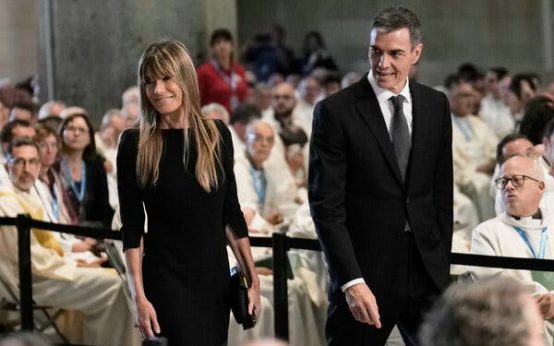 Trial for Spain’s First Lady on Corruption Charges
  Obama Center Faces Criticism Over Land Use and Costs
  Union Dynamics in GOP Politics: An In-depth Look
  Vice President JD Vance Provides Updates on US-Iran Nuclear Negotiations and Political Developments
  Trump Discusses Iran Negotiations and Military Actions
  Bill Maher Urges Democrats to Celebrate the 250th Anniversary of America