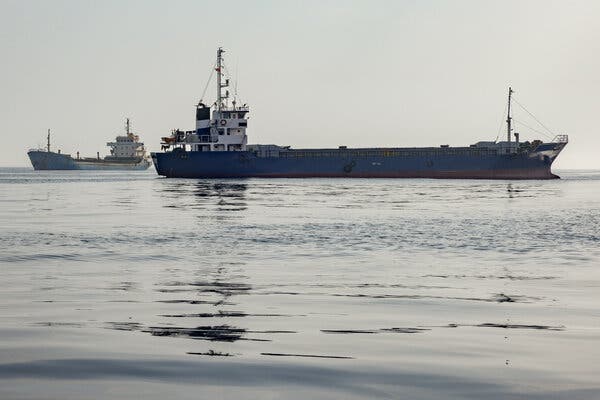
The Strait of Hormuz has seen fluctuating shipping activity following a preliminary agreement between the United States and Iran to end the conflict and reopen the strategic waterway. On Saturday, Iran’s military unexpectedly announced a renewed closure of the strait, creating uncertainty.
The U.S. Central Command reported that 55 commercial ships traversed the strait on Saturday. This represented the highest number since Iran initially closed the strait at the beginning of the conflict. However, this number remains significantly lower than the prewar daily average of 130 ships.
The impact of Iran’s closure announcement on shipping traffic was unclear, as conflicting statements from both Iran and the U.S. added to the confusion. Iran’s Islamic Revolutionary Guards Corps warned of security risks for vessels approaching the strait. On the other hand, Capt. Tim Hawkins, representing U.S. Central Command, contradicted Iran’s claims, stating that the strait was open and the blockade ceased. He assured that maritime traffic continued and U.S. forces were actively monitoring the situation.
The Strait of Hormuz is crucial for global oil and gas transport, and Iran has leveraged the waterway as a strategic tool throughout the conflict. The threat of renewed hostilities has frequently disrupted shipping activities, which have remained erratic and below prewar levels.
The preliminary agreement between Iran and the United States aimed to reopen the strait, but shipping companies remain cautious. Many of their vessels have been anchored in the Persian Gulf for months, facing logistical challenges despite the deal.
 Netherlands Triumphs Over Sweden with 5-1 Victory
 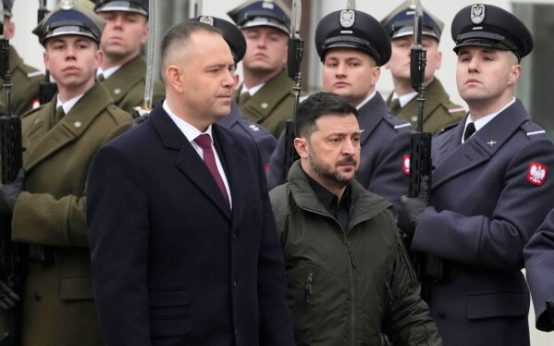 Ukrainian Leader Returns Polish State Honor Amid WWII Historical Dispute
  Israeli Ambassador Confronts UN Representatives Over Sexual Violence Blacklist
 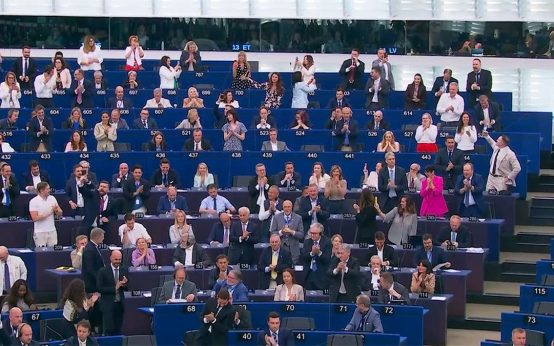 European Parliament Votes for Tougher Migrant Return System Amid Tensions
 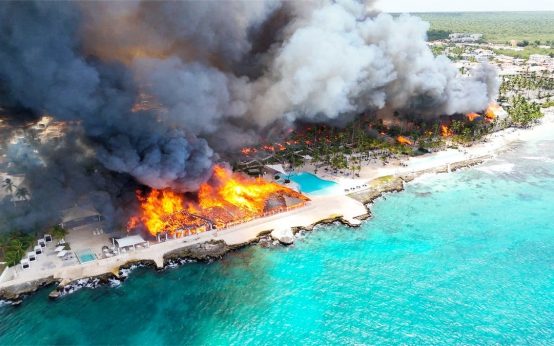 Tragic Fire in Dominican Republic Resort Leaves One Dead, Several Injured
 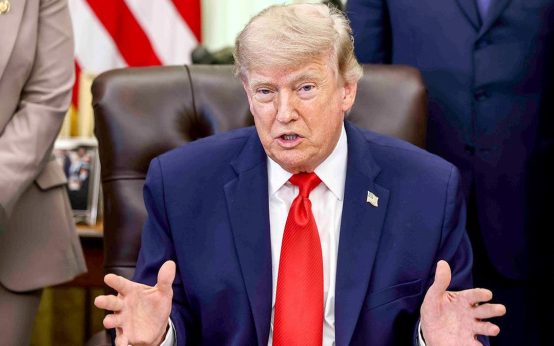 Trump and Meloni Engage in Feud Over Alleged G7 Summit Incident and Iran War Stance