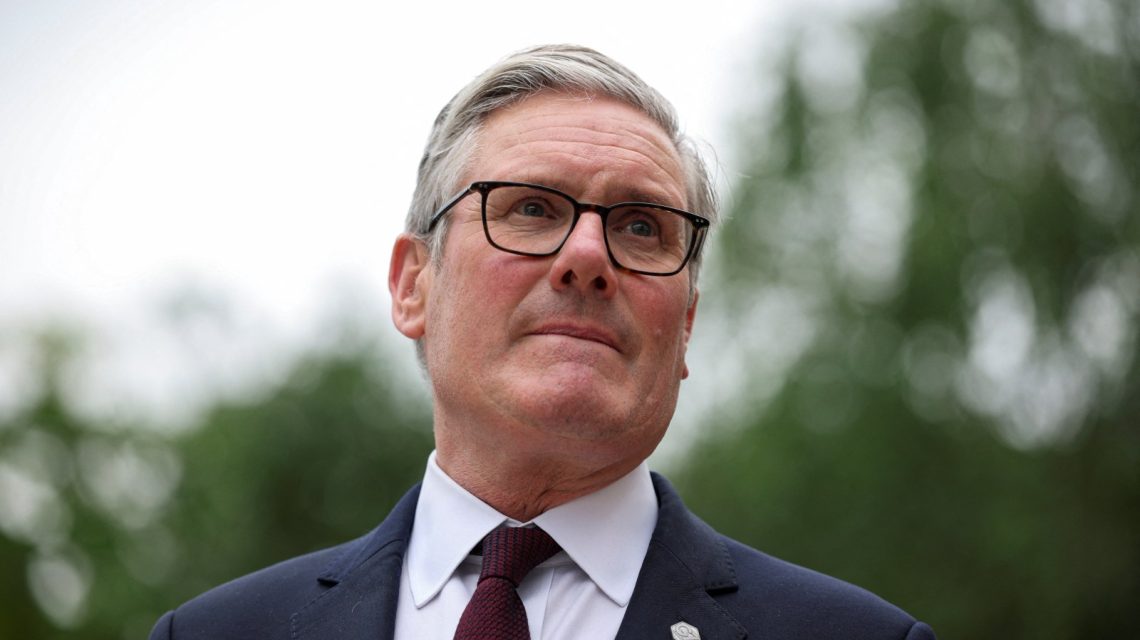
British Prime Minister Sir Keir Starmer has announced his resignation following months of declining support and increasing pressure from within his party. Despite weeks of insisting that he would remain leader and fulfill his mandate, Starmer revealed on Monday morning that he will step down, two years after leading Labour to a significant electoral victory.
Change in Leadership
The Labour party will initiate a process to select a new leader before Starmer officially vacates his position. Starmer’s departure will see his successor become the seventh prime minister since the Brexit referendum in 2016, marking a period of unprecedented political turnover in modern British history.
Potential Leadership Challenge
Speculation over Starmer’s potential resignation intensified after Labour politician Andy Burnham won a significant by-election victory, facilitating his return to Parliament and removing a major hurdle to a possible leadership challenge. If Burnham pursues and wins a Labour leadership contest, he would assume the role of Britain’s prime minister.
Burnham, the mayor of Greater Manchester and former Labour cabinet minister, is regarded as a popular figure within the party. His re-election to Parliament has fueled belief that he is positioning himself for a leadership challenge.
Disappointment Despite Victory
Despite Labour’s landslide election victory in 2024, Starmer’s approval ratings have drastically decreased due to diminishing public support and growing dissatisfaction within his party. Critics have condemned Starmer for failing to deliver on key promises, such as economic growth, while also facing scrutiny over immigration, welfare reform, and defense spending.
The defense spending dispute escalated when Defense Secretary John Healey resigned, criticizing the government’s military funding plans as inadequate. Furthermore, critics argue that Starmer struggled to articulate a definitive political vision, causing some voters to perceive him as overly cautious and managerial.
Controversy Over Appointment
Starmer’s political standing was severely impacted earlier in the year by controversy surrounding the appointment of Peter Mandelson as Britain’s ambassador to the United States. The scandal arose following revelations about Mandelson’s past association with convicted sex offender Jeffrey Epstein, raising concerns about Starmer’s decision-making in the appointment and the evaluation procedure.
Starmer later clarified that Mandelson had misled him about the nature of his relationship with Epstein and expressed regret for the appointment. Nevertheless, the controversy significantly weakened Starmer’s political authority, from which he struggled to recover.
This story is developing and updates will be provided as available.
 British Prime Minister’s Resignation Speech
  Keir Starmer Resigns as UK Prime Minister Amid Political Pressure
  Challenges in Jack Schlossberg’s Congressional Campaign
  Democratic Contest in Utah Highlights Party Divide
 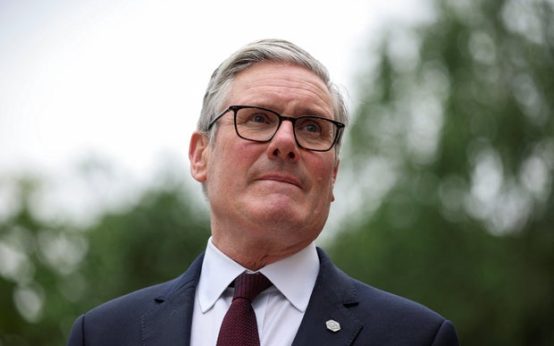 British Prime Minister Keir Starmer Resigns Amid Internal Pressure
  Colombia’s Presidential Election Shifts Right Amid Protests