
British Prime Minister Keir Starmer announced his resignation Monday, following pressure from his Labour Party. The announcement was made outside No. 10 Downing Street in London, marking a significant moment in British politics.
During his speech, Starmer acknowledged a pivotal change in the nation’s history. He reflected on years marked by disappointment and despair, emphasizing the opportunity to improve the lives of millions.
A page in our country’s history turned after years of disappointment and despair. The chance to change the lives of millions of people for the better.
This resignation sets the stage for the appointment of a new Labour Party leader, who is expected to take office by September. The transition of leadership signifies a potential shift in governmental direction and priorities.
With Starmer stepping down, the political landscape may experience new dynamics in the coming months, as the Labour Party prepares to elect a new leader to steer the country forward.
 New York’s Congressional Battles: Progressive vs. Establishment Democrats
  U.S.-Iran Negotiations, Starmer’s Resignation, and Extreme Sports Safety
  Keir Starmer Resigns as UK Prime Minister Amid Political Pressure
  Challenges in Jack Schlossberg’s Congressional Campaign
 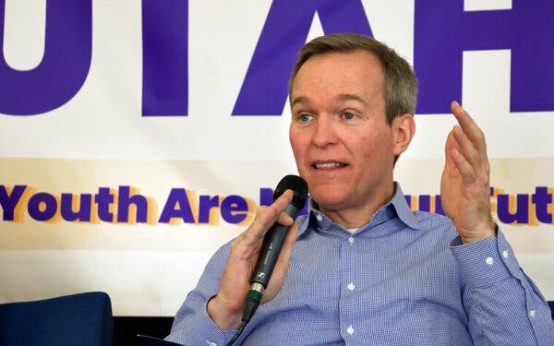 Democratic Contest in Utah Highlights Party Divide
 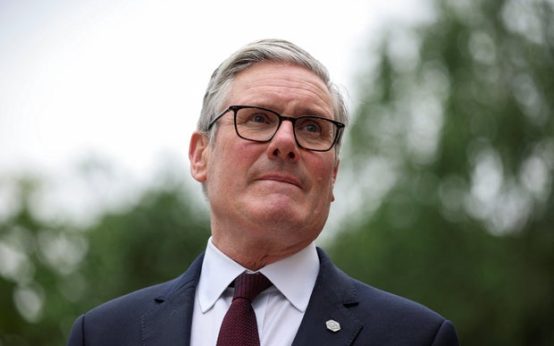 British Prime Minister Keir Starmer Resigns Amid Internal Pressure