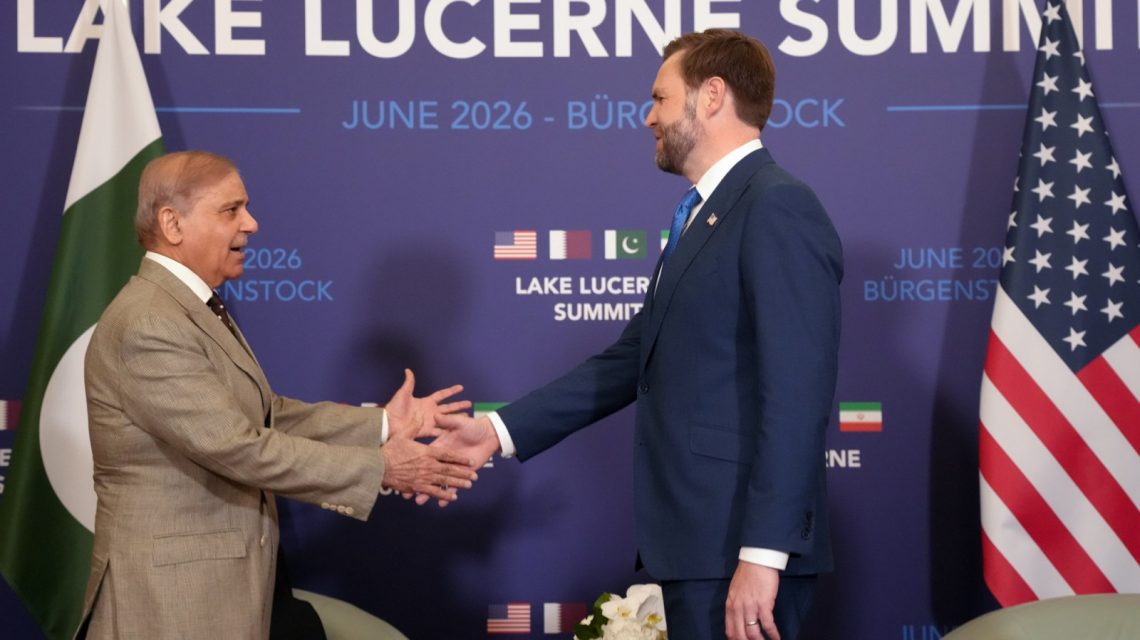
For years, Republicans have criticized former President Barack Obama’s 2015 Iran nuclear deal. They argued it exchanged sanctions relief for restrictions that were weak, temporary, and reversible. Today, as President Donald Trump seeks a new agreement with Iran, similar arguments target the framework set by a Republican president.
Key details of Trump’s memorandum of understanding (MOU) remain under negotiation, with expected resolution in the next 60 days. This delay leaves the final structure unclear and makes direct comparisons to Obama’s Joint Comprehensive Plan of Action (JCPOA) premature.
On Monday, Trump declared the final deal would incorporate stringent inspection measures to ensure ‘Nuclear Honesty.’ Negotiations continue, underscoring an ongoing dialogue on nuclear issues, the Strait of Hormuz, and deconfliction mechanisms in southern Lebanon concerning Israel and Iran-backed Hezbollah.
A senior U.S. diplomat described the existing framework as a preliminary basis for further technical discussions, not a definitive solution.
The political landscape is clear. Republicans have renewed concerns similar to those raised against Obama’s deal. They focus on sanctions relief, inspections, uranium enrichment, and congressional approval.
White House spokeswoman Olivia Wales countered criticism, asserting that Trump’s team negotiated a performance-based MOU benefiting the U.S. by ending conflict, reopening the Strait of Hormuz, and compelling Iran to abandon nuclear ambitions.
Familiar Objections
When Obama introduced the JCPOA in 2015, he described it as a comprehensive solution blocking Iran’s path to a nuclear weapon with strict verification. Republicans rejected it with arguments that Iran received excessive sanctions relief early, the nuclear limits were temporary, and the agreement lacked congressional authority.
These objections resurface around Trump’s framework. In 2015, Republicans criticized the JCPOA for focusing solely on nuclear issues, neglecting Iran’s missile programs and regional activities.
Republican Critics
Senator Tom Cotton, a prominent JCPOA critic, warned in 2015 about agreements bypassing Congress as reversible by future administrations. Cotton, who opposed the JCPOA, now adopts a measured tone on Trump’s framework but retains familiar criticisms.
Senator Ted Cruz labeled the Obama deal a “catastrophic mistake.” Now, Cruz reiterates concerns over granting Iran financial benefits under Trump’s framework without robust guarantees.
Senator Lindsey Graham questioned the JCPOA’s efficacy but now cautiously supports trying Trump’s diplomatic efforts, acknowledging uncertainty in achieving a final agreement.
Additional GOP Voices
Republican lawmakers echo similar concerns. Senator Roger Wicker criticized Trump’s framework as misaligned with strategic victories. Senator James Lankford emphasized congressional approval for a durable agreement.
The GOP checklist mirrors past criticisms:
- No early sanctions relief
- Strong and verifiable inspections
- Limits on uranium enrichment
- Congressional backing for durability
Trump vs. Obama
Trump has consistently condemned the JCPOA as enabling Iran’s nuclear ambitions. He asserted that the deal, crafted during Obama’s tenure, was fundamentally flawed.
Obama countered by suggesting new agreements may not significantly differ from the JCPOA, warning that the U.S. might expend more resources for similar results after exiting the original deal.
 Trump’s Approval Rating Hits New Low as Economic Concerns Grow
  Colombia Faces Political Shift with De La Espriella’s Potential Victory
 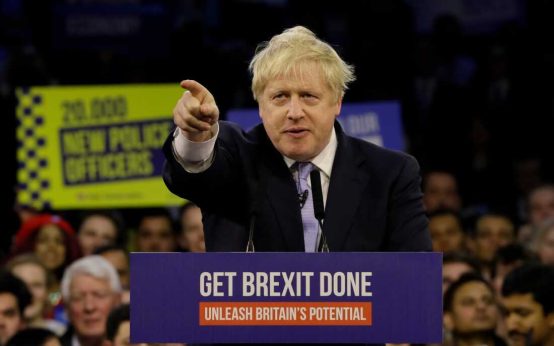 Brexit’s Continued Impact on British Politics
  Trump to Attend Theodore Roosevelt Library Dedication in North Dakota
  Shift in Seasonal Workforce in Post-Brexit Britain
 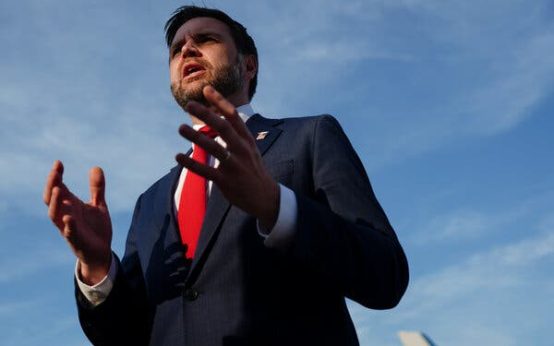 Vice President JD Vance Navigates Tricky Negotiations with Iran