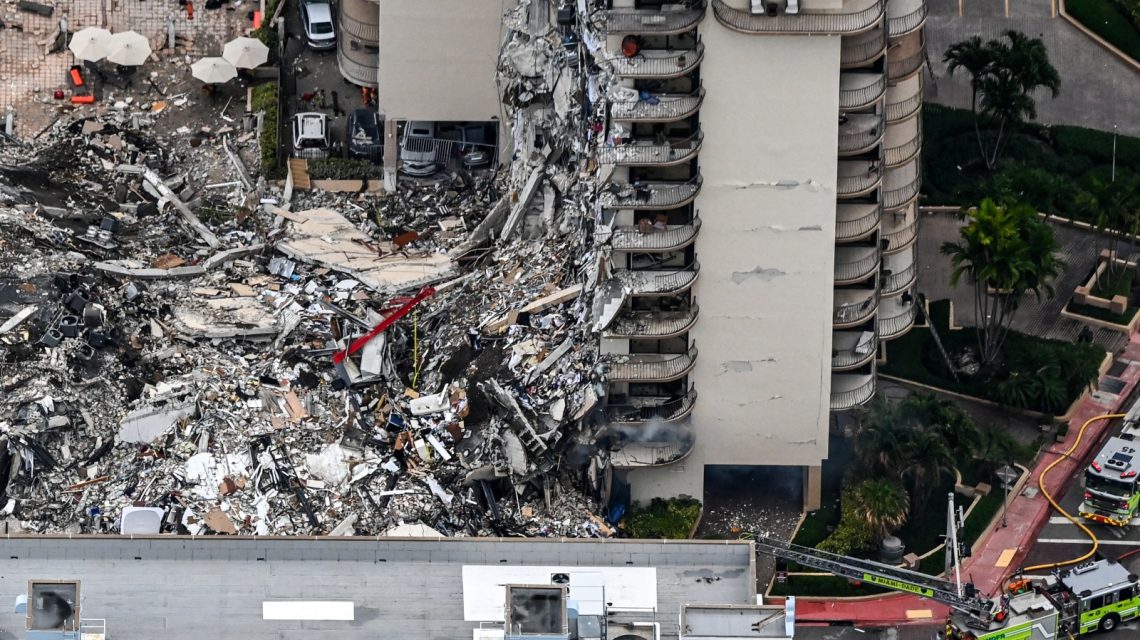
In the early hours of June 24, 2021, the Champlain Towers South in Surfside, Florida, suffered a catastrophic partial collapse. This 12-story building housed 136 units and was built 40 years ago. Nearby security cameras captured the eastern section of the condo tumbling to the ground within seconds. The death toll eventually reached 98, marking one of the deadliest building failures in U.S. history.
Stuart Z. Grossman, an attorney involved in securing a nearly $1 billion settlement for the victims’ families and survivors, reflects deeply on the tragedy. The event was shocking as it occurred without warning. Victims included a young man visiting his grandfather and a devoted mother whose daughter was in the building. Initial investigations found structural failures originating from the building’s pool deck, attributed to water damage and corroded reinforced steel.
“For us personally and professionally, we had members of the FirstService family inside the building that day.”
Subsequent reviews uncovered foundational construction and design issues dating back to 1981, alongside lengthy periods of neglected maintenance. A 2020 report indicated the building lacked funds for necessary repairs. These facts prompted Florida lawmakers to implement reforms to prevent future collapses.
A New Era of Building Safety
The Florida Building Safety Act was introduced as an aggressive response to the Surfside disaster. Enacted in May 2022, the legislation mandates Structural Integrity Reserve Studies for condo associations in buildings of three or more stories. Structures 30 years or older, or 25 years if near the coast, must undergo milestone inspections by the end of 2024. Additional inspections are required every decade afterward. This act makes Florida the eleventh state requiring financial reserves specifically for large-scale structural costs.
Legislators also mandated fully funded reserves starting December 2024, addressing past deficiencies in reserve funding. Robert Smith from FirstService Residential explained the seismic impact on the condo market, where safety and affordability became clashing priorities. The cost burden caused owners to flood the market with unwanted units, resulting in decreased property values.
The changes led to burdensome financial challenges for condo owners. Many faced increased fees, higher taxes and insurance premiums, and the struggle to manage their mortgages. This atmosphere of uncertainty prompted some to abandon their homes.
Florida responded with further legislation in 2025, extending reserve study deadlines and allowing temporary pauses in reserve funding to address critical repairs.
Challenges Persist, but Lessons Learned
Smith noted improved preparedness among condo boards and communities, but older buildings still present challenges for long-term residents. While new condo buyers today are more informed about building conditions, concerns persist about enforcement of the laws.
“Given the overall economic situation… it’s a jungle.”
Grossman criticized that HOAs may not fully disclose inspection findings. He highlighted the need for transparency to ensure safety improvements are implemented effectively.
Whether these measures are enough to prevent another Surfside-like incident remains uncertain. According to legal expert Gina Clausen Lozier, professionally managed boards take their responsibilities seriously, but the danger of another collapse cannot be entirely ruled out, especially in South Florida.
 Zimbabwean Green Card Holder’s Traumatic ICE Experience Sparks Therapy Plans
 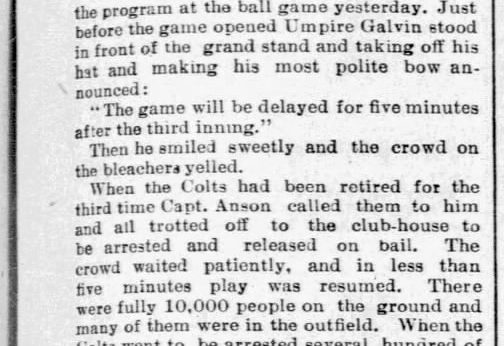 Chicago Area Historical Events: June 23
 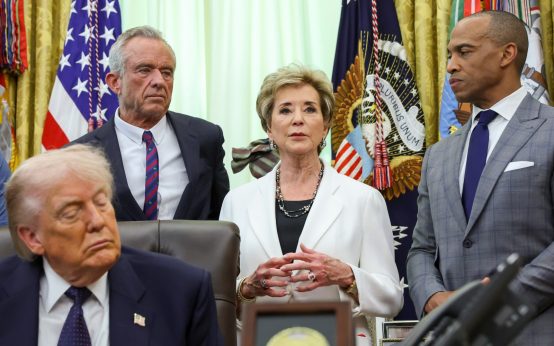 Major Overhaul in U.S. Federal Student Loan System
  Detroit Archdiocese Considers Suspension of Weekend Masses Amid Challenges
 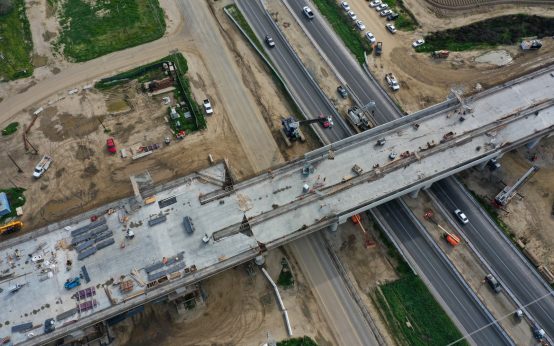 California’s High-Speed Rail: New Strategy and Challenges
  Coast Guard Helicopter Crash in Alaska