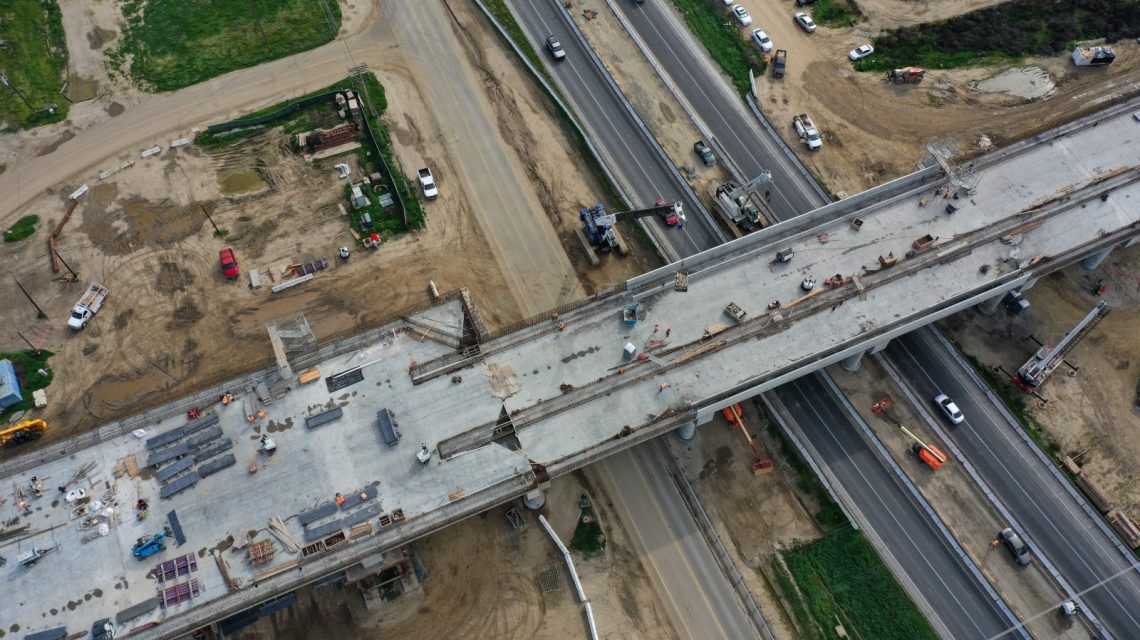
California’s high-speed rail project is being considered for a reimagining as a data center corridor. This new revenue stream aims to aid funding for a project that has struggled to maintain sufficient public financing.
Project Background
The high-speed rail initiative was intended to connect Los Angeles and San Francisco at speeds up to 220 mph. Approved by voters in 2008, the project was expected to be completed by 2020. However, it remains unfinished, facing numerous delays, funding issues, and cost escalations.
New Business Strategy
The California High-Speed Rail Authority (CHSRA) has outlined a strategy to develop energy and technology projects along its rail corridor. The 2026 business plan emphasizes the potential commercialization of state-owned land through solar farms, battery storage, data centers, and transmission lines. CHSRA believes these developments could create revenue streams before operations commence and benefit communities alongside the rail corridor.
“The analysis revealed complementary opportunities, particularly in renewable energy and technology infrastructure,” the CHSRA business plan states. Solar farms and data centers may benefit from high voltage direct current (HVDC) transmission and technology corridors, leading to greater investment returns and operational efficiency.
Newsweek reached out to CHSRA for further comment.
Public Concerns
The strategy has sparked concerns, notably among residents like Joseph Mello, who expressed reluctance to travel through areas dominated by data centers. At the June 1 board meeting, public comments highlighted issues such as water usage, pollution, noise, fire risk, and effects on farmland.
Transparency and Progress
California High-Speed Rail CEO Ian Choudri addressed transparency issues in an interview with KRCA 3. He emphasized the importance of discussing project details and maintaining transparency due to past challenges. Choudri reassured that financial details and steps taken for project improvements are accessible on the project’s website.
“My goal really is to let the public see we can build it,” Choudri said, acknowledging the project’s first in the Western Hemisphere and mentioning China’s rapid advancement due to fewer regulatory hurdles.
Political Perspectives
Candidates for governor have also weighed in. Democrat Xavier Becerra proposed revamping the current plan to ensure timely completion and budget adherence.
“I’m going to scrap the current configuration, and I’m going to make sure we finish—on budget and on time,” Becerra stated.
A campaign spokesperson noted significant progress in construction, with 80 miles of guideway complete, along with bridges, viaducts, and overpasses constructed.
Republican candidate Steve Hilton criticized the project, suggesting it wouldn’t meet legal standards and proposing investment in alternative infrastructure projects.
 Detroit Archdiocese Considers Suspension of Weekend Masses Amid Challenges
  Coast Guard Helicopter Crash in Alaska
  Dustin Nolan Clarifies Viral Farewell From KWQC TV6
  Wind Gust Causes Cabana Frame Collapse at Seminole Hard Rock Hotel & Casino
  Father of Austin Metcalf Speaks Out on Son’s Murder and Trial Outcome
  Lingering Smoke from Los Angeles Blaze Affects Boyle Heights Community