On July 1, sweeping changes will affect the borrowing, repayment, and forgiveness of federal student loans in the U.S. These changes result from new federal regulations tied to President Donald Trump’s One Big Beautiful Bill Act. This marks one of the most significant shifts in the U.S. student loan system in recent years.
Impact on Borrowers
Over 40 million Americans hold federal student loan debt. Experts anticipate these changes could significantly alter monthly payments, borrowing options, and long-term repayment paths. Some borrowers may experience higher monthly payments or fewer forgiveness options, while new borrowers will face stricter borrowing limits.
Student Loan Changes Starting July 1
Newsweek has compiled the key rule modifications scheduled for July 1:
1. New Repayment Assistance Plan (RAP) Launches
A new income-driven repayment option, the Repayment Assistance Plan (RAP), will be introduced. Payments will range from 1 percent to 10 percent of income, based on earnings. Forgiveness is available after 30 years of payments. Features include interest support and principal reduction incentives.
A financial literacy instructor for the University of Tennessee at Martin noted that July 1 will mark the start date for the alterations passed through the One Big Beautiful Bill Act. A consolidated income-based repayment plan now requires a minimum payment each month.
2. SAVE Plan Ends and Borrowers Must Switch
The Biden-era SAVE repayment plan is ending due to court rulings and a federal settlement. Around 7 million borrowers need to switch plans, with loan servicers sending 90-day notices starting July 1. Borrowers who do not select a plan will be automatically moved to a standard repayment option, possibly increasing monthly payments.
3. Phase-Out of Most Income-Driven Plans
Several legacy repayment plans will cease accepting new borrowers. The PAYE and ICR plans, among other legacy options, will close to new enrollment on July 1 and be fully phased out by 2028. IBR remains the main legacy option for existing borrowers. New borrowers will primarily opt for RAP or a standard plan.
4. Stricter Borrowing Limits for Students and Parents
Starting in July, new caps will limit the amount of federal loans available. Parent PLUS loans are capped at $20,000 per year and a $65,000 lifetime limit per student. Graduate and professional students can borrow around $20,500 annually, with a lifetime cap of $100,000. These limits may push families to seek private loans.
A CEO of 9i Capital Group expressed concerns that higher interest rates and borrowing caps will lead many to forgo higher learning or opt for private loans with higher rates.
5. Grad PLUS Loans Eliminated for New Borrowers
Graduate students can no longer take out Grad PLUS loans for new programs starting July 1. Existing borrowers may continue under their current terms.
6. Changes to Public Service Loan Forgiveness (PSLF)
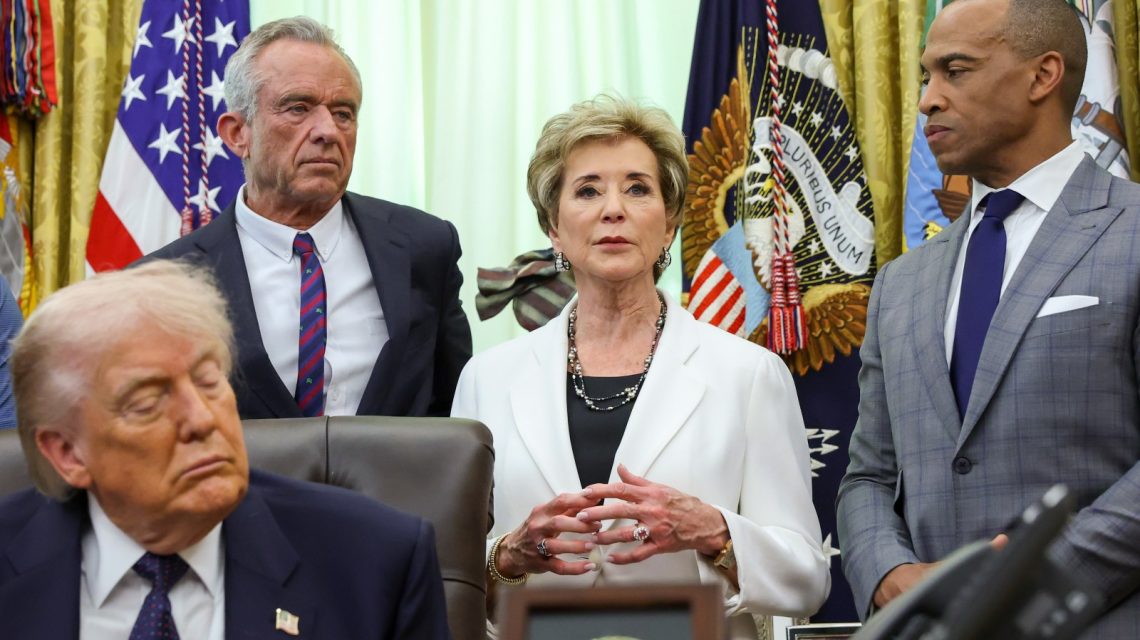
The PSLF program will see new rules, including updated criteria for employer qualification. Some organizations may no longer qualify, as Education Secretary Linda McMahon gains the authority to disqualify employers with a “substantial illegal purpose.”
7. New Interest Rate Incentive for Auto-Pay
A 1 percent interest rate reduction will be available for borrowers enrolled in auto-pay until June 30, 2028. Under Secretary of Education Nicholas Kent has stated this is part of the Trump Administration’s efforts to simplify student loan repayment.
Next Steps for Borrowers
Borrowers, especially those enrolled in SAVE, will receive notices beginning July 1. They generally have 90 days to choose a new repayment plan. Failure to act could lead to automatic placement into a standard plan, likely resulting in higher monthly payments and fewer benefits.
 Zimbabwean Green Card Holder’s Traumatic ICE Experience Sparks Therapy Plans
  Impacts and Reforms Following the Surfside Condo Collapse
 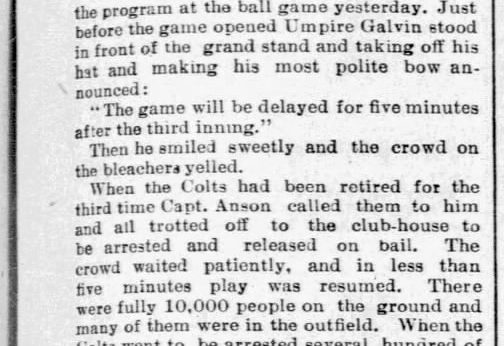 Chicago Area Historical Events: June 23
  Detroit Archdiocese Considers Suspension of Weekend Masses Amid Challenges
 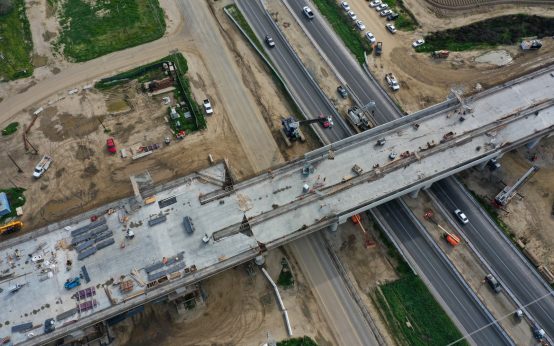 California’s High-Speed Rail: New Strategy and Challenges
  Coast Guard Helicopter Crash in Alaska