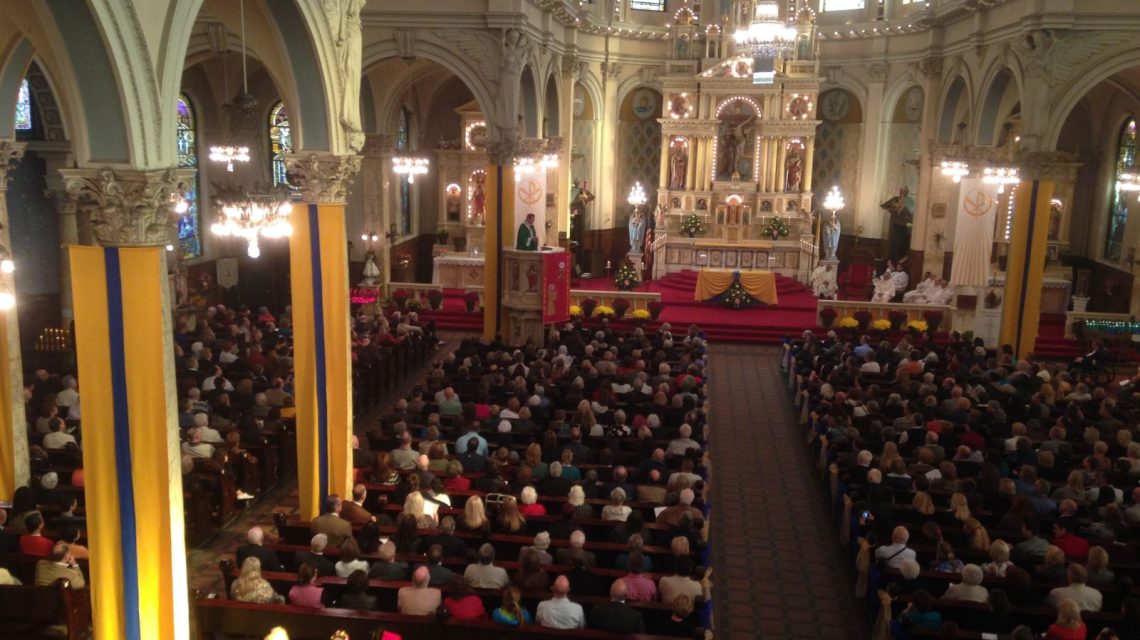
The largest Catholic archdiocese in Michigan is contemplating the suspension of weekend Mass at up to 90 parishes. This comes as church leaders tackle declining congregations, a shortage of priests, and increasing financial strains in the Detroit area. Recently, the Archdiocese of Detroit added 32 more parishes to a list for potential Mass suspensions, adding to the 58 already identified. Church officials say the two-year restructuring aims to respond to shifting demographics and decreased parish participation.
Statistics from the archdiocese reveal a 40 percent drop in Mass attendance since 2011, from 231,076 attendees to 139,088 in 2024. This decrease occurred despite the Detroit area’s population growth of nearly 100,000 people during the same period. The changes mirror wider challenges within the Catholic Church, including aging congregations and fewer clergy. A national trend shows a decline in religious affiliation, with more Americans identifying without a religion.
Similarly, the Archdiocese of Dubuque in Iowa decided to halt weekend Masses at 84 parishes due to clergy shortages and declining attendance, as reported by Catholic media organization Eternal Word Television Network (EWTN).
Archdiocese of Detroit’s Plans
The restructuring plans of the Archdiocese of Detroit involved over 400 parish listening sessions, according to Archbishop Edward J. Weisenburger. He emphasized the complexity of the process and encouraged ongoing feedback online. Multiple models covering metro Detroit and several counties, including Wayne, Oakland, and Macomb, have been proposed, though plans are yet to be finalized. New pastorates are expected to be announced in April 2027, with implementation set for July 1.
Weisenburger acknowledged the difficulty of the decisions ahead but expressed hope in a shared vision for vibrant faith communities, flourishing priests, and sustainable parishes.
The Decline Behind the Closures
The archdiocese highlighted changes in religious affiliation and demographics that have led to more church buildings than needed. The Catholic population in the area has decreased from about 1.5 million to roughly 900,000. Mass attendance is declining by about 4 percent annually, with projections suggesting that a third of current attendees may cease attending in the next 10 years. In 2024, only 29 percent of pews were filled across the archdiocese.
The report notes a significant decline in sacramental participation. Infant baptisms have dropped 60–70 percent from their peak, and marriages have decreased by 40–50 percent. Funerals exceed baptisms, marriages, and confirmations, numbering approximately 6,000 annually, indicating an aging Catholic population and fewer new members.
The archdiocese faces a diminishing priesthood, with many pastors handling extensive administrative duties, reducing time spent on ministry. Most active priests are over 50, with projections showing fewer than 165 priests in parish service by 2029.
Archbishop Urges Hope Amid Changes
Church leaders emphasize the restructuring as a means to consolidate resources and form sustainable parish structures for future decades. Archbishop Weisenburger, in a letter announcing the restructure, stressed facing challenges with commitment to Christ and His Church, not anxiety or despair. He sees the current situation as an opportunity for growth and renewal, encouraging reimagining parish life with creativity and faith.
For further inquiries on this story, contact Newsweek editors Matthew Cannon and Sam Wilson.
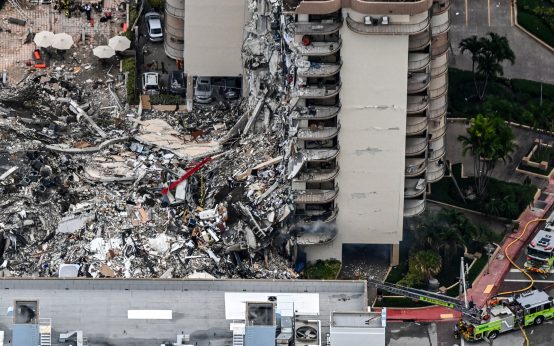 Impacts and Reforms Following the Surfside Condo Collapse
 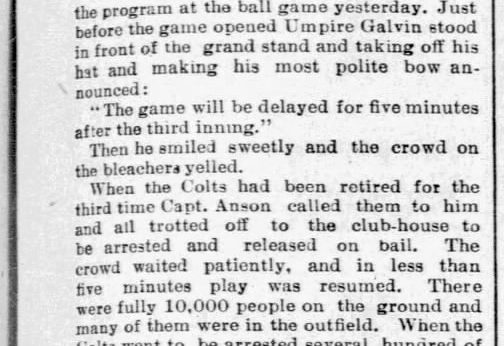 Chicago Area Historical Events: June 23
 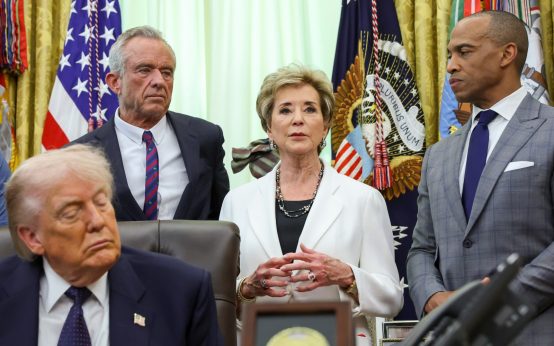 Major Overhaul in U.S. Federal Student Loan System
  California’s High-Speed Rail: New Strategy and Challenges
  Coast Guard Helicopter Crash in Alaska
  Dustin Nolan Clarifies Viral Farewell From KWQC TV6