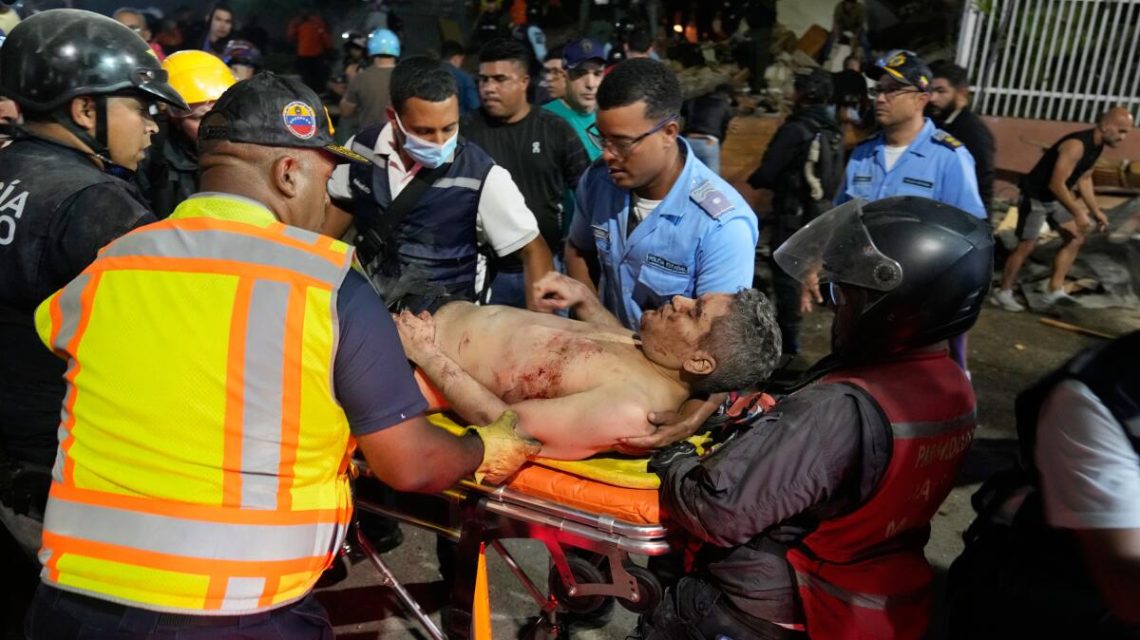
CARACAS, Venezuela — Two powerful earthquakes hit Venezuela on Wednesday evening, leading to collapsed buildings and widespread panic among residents. The earthquakes, measuring 7.2 and 7.5 on the Richter scale, affected cities as far as Brazil’s Amazon, roughly 1,050 miles away.
Acting President Delcy Rodríguez addressed the nation Wednesday night, confirming damage across several states. However, she provided no specifics on the number of affected homes, injuries, or fatalities. Rodríguez announced the closure of Simón Bolívar International Airport due to severe damage, and canceled classes for several days to ensure safety.
“We urge our population to remain calm,” Rodríguez stated. “We urge unity.”
Rescue efforts continued throughout the evening as healthcare professionals were called upon to assist the injured. Some schools would serve as shelters and donation centers, according to the Ministry of Education.
In Falcon, Governor Víctor Clark reported 32 hospitalizations and 15 individuals trapped more than four hours post-earthquake. The U.S. Geological Survey first identified the initial earthquake with a magnitude of 7.1, later revising it to 7.2, with the epicenter west of Morón on the Caribbean coast, about 104 miles from Caracas. The earthquake had a depth of 14 miles. A stronger 7.5 magnitude quake followed a minute later, with a depth of six miles and an epicenter 10 miles southwest of Morón.
These earthquakes were among the strongest recorded in Venezuela in over a century, occurring shortly after 6 p.m. People evacuated swaying buildings in Caracas, witnessing collapsed walls and exposed furniture from the streets. Dust clouds enveloped neighborhoods normally bustling with activity.
‘We all had to leave our houses’
Residents stayed in the streets for hours, hugging pets amid the dust. Collapsed buildings, toppled electric poles, and debris blocked thoroughfares. Parts of Caracas lost electricity and cellphone reception.
“It started off gently and then gradually grew, and in the end, we all had to leave our houses, go outside and gather together,” said Caracas resident Hector Ricci.
Rodríguez declared a state of emergency and suspended subway and natural gas services in Caracas. Citizens were encouraged to report damage using a government app, exacerbated by cellphone signal outages across regions.
Opposition leader María Corina Machado, exiled since December, sent prayers and wished strength to Venezuelans via social media.
Impact throughout Venezuela
Interior Minister Diosdado Cabello confirmed the quake’s effects across multiple states. Altamira, a Caracas neighborhood, faced alarming situations with collapsed structures. Cabello urged motorists to allow emergency vehicles through and advised caution for children and the elderly.
“The building really shook from side to side. Unreal. The force was incredibly strong,” reflected Caracas resident Roberto Gamas.
Reactions swiftly filled social media with offers of aid from international governments, including the United States, Chile, and El Salvador. U.S. Deputy Secretary of State Christopher Landau expressed support for Venezuela, promising assistance.
El Salvador’s President Nayib Bukele offered aid despite previous opposition to Venezuela’s government.
“We send you all our solidarity and our prayers. Stay strong, Venezuela,” Bukele wrote.
Ecuadorian President Daniel Noboa pledged immediate humanitarian aid, emphasizing humanitarian obligations despite differing political views.
Regional Effects
Buildings in Brazil’s Amazon cities, Manaus, Belem, and Macapá, were evacuated, reported TV Globo. Colombia’s Caribbean and northeast regions felt the shocks but faced no recorded damage or injuries. Multiple tsunami alerts issued by the U.S. Pacific Tsunami Warning Center were swiftly lifted.
Strong earthquakes are rare in Venezuela. Although positioned near fault lines, the country’s location straddling the South American and Caribbean plates limits seismic activity compared to other Latin American regions like Mexico and Chile, which experience frequent earthquakes along the “Pacific Ring of Fire.”
Associated Press writers Garcia Cano and Arraez, alongside Clara Preve, Astrid Suarez, Mauricio Savarese, and Anna-Catherine Brigada contributed additional reporting.
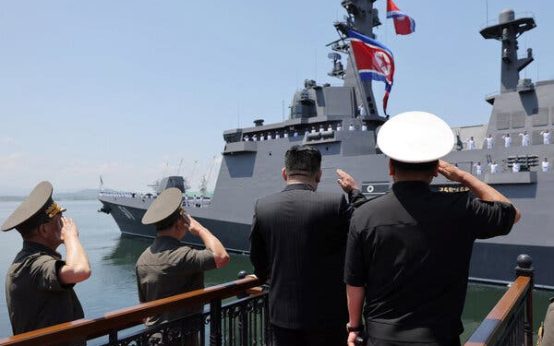 North Korea Commissions Largest Warship Yet, Armed with Nuclear Missiles
  Powerful Earthquake Strikes Off Japan’s Northern Coast; No Tsunami Warning Issued
 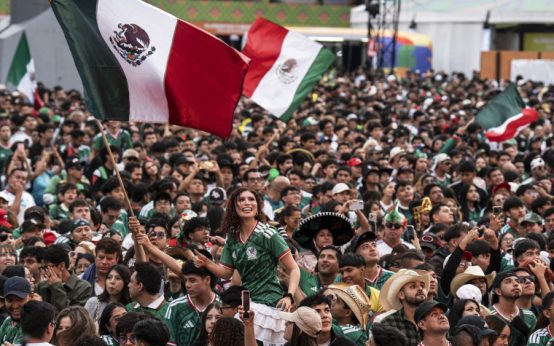 Mexico’s Historic Journey at the World Cup
  Earthquake Devastates Venezuela: Immediate and Global Responses
  2026 World Cup Day 14 Coverage
  Deadly Earthquakes Devastate Venezuela Amid Political Turmoil