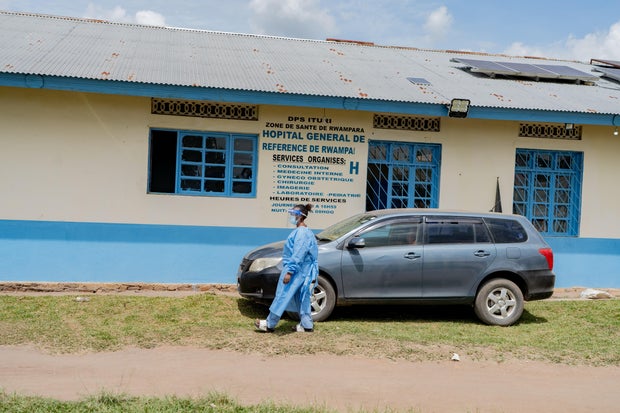
The World Health Organization has classified the Ebola outbreak in Congo and Uganda as a public health emergency of international concern. Health officials have identified over 250 suspected cases and 80 suspected deaths due to the disease. Experts warn that the actual magnitude of the outbreak could be higher than reported, prompting an urgent response to enhance screening and contact tracing efforts.
Despite this serious situation, the outbreak does not meet the criteria for a pandemic emergency like COVID-19. The WHO advises against international border closures. Currently, there are eight laboratory-confirmed cases, 246 suspected cases, and 80 suspected deaths reported in Congo’s eastern province, Ituri, which is the epicenter of the outbreak. In Uganda, two laboratory-confirmed cases, including one death, emerged among individuals who had traveled from Congo.
The Africa CDC reports 246 suspected cases and 65 deaths in Congo. Local officials, however, estimate over 300 probable cases. At least six Americans were exposed to the virus in the Democratic Republic of Congo, though it remains uncertain if any were infected.
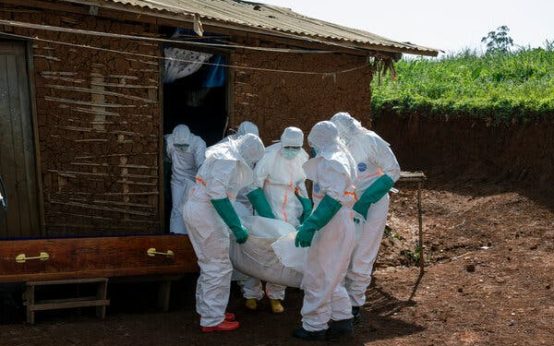
The outbreak, identified publicly on Friday, has caused distress among Bunia’s residents due to frequent burials. “Every day, people are dying,” remarked Jean Marc Asimwe, a Bunia resident. The Congolese Health Minister confirmed eight laboratory cases, including four fatalities. The responsible strain is the Bundibugyo virus, a variant associated with fewer outbreaks previously.
Ebola, a highly contagious disease, spreads through direct contact with bodily fluids. It poses considerable risk as severe and often deadly. No approved vaccines or treatments exist for the Bundibugyo strain, heightening concerns regarding containment.
Uganda confirmed an Ebola case imported from Congo, with the patient dying in Kampala. The Africa CDC expressed concern over potential spread given the close proximity to South Sudan. Medical aid groups, including Doctors Without Borders, prepare large-scale responses to counter the outbreak.
Efforts to manage the outbreak face logistical hurdles. Congo’s vast size and region-specific conflicts complicate distribution of expertise and supplies. The disease is confirmed in three health zones in Ituri province, including Bunia and surrounding areas.
The CDC characterizes the Ebola risk to Americans as low. It has personnel stationed in Congo and plans to deploy additional resources. Travel advisories encourage Americans in affected regions to avoid symptomatic individuals.
Expert opinion on the U.S. response is mixed. Some worry that reduced funding and resources may hinder effective response to the outbreak. Dr. Craig Spencer, an Ebola survivor, expressed concern for healthcare workers’ exposure amid limited U.S. capacity for swift global outbreak response.
Nonetheless, the U.S. has commitments to handle significant pathogens and has demonstrated ability to respond to rare outbreak incidents recently.
 Mount Sinai Health System Faces Subpoena on Gender-related Care
  Potential Ebola Outbreak in Central Africa Raises Concerns of Rapid Spread
  Researchers Escorted Out of Diabetes Conference for Criticizing Trump Administration
  Ebola Outbreak in Africa: A Serious Concern
  Gold and the Ebola Outbreak in Congo’s Mining Towns
  House Passes Bill for Veterans’ Benefit Increase