
Ambulances are stationed outside a hospital in Bunia, Congo, highlighting the local healthcare response efforts. Rearranging equipment and resources is vital to ensuring timely medical assistance during emergencies. Similar logistical challenges are faced globally, particularly in remote or conflict-ridden areas.
In Sri Lanka, elephants interacting with electric fences are reshaping local wildlife management practices. Such interactions illustrate the need for adjustments in wildlife conservation strategies. Farmers and conservationists need to develop methods to reduce crop damage while protecting native species.
Amid the Mideast conflict, tensions between elephants and villagers escalate in Sri Lanka. Finding neutral solutions to minimize human-wildlife conflict is a global concern, requiring cooperation from communities and wildlife experts.
In Paris, the situation at Bichat Hospital reflects the ongoing struggle against infectious diseases, like hantavirus. Hospitals nationwide are preparing for potential outbreaks with increased surveillance and isolation protocols.
The National Quarantine Center in Nebraska prepares for monitoring of U.S. citizens after exposure to hantavirus. Public health teams focus on preventing local outbreaks through meticulous tracking and timely responses.
An effective contact tracing system prevents further disease spread, proving critical for controlling contagious illnesses. Health workers actively engage with exposed individuals to monitor health and reduce transmission risks.
In Nebraska, the medical center’s quarantine efforts exemplify proactive disease management strategies. These centers are pivotal in containing outbreaks through rapid isolation and treatment measures.
Preserving pollinator populations, like bumblebees, is essential for maintaining agricultural productivity. Their role is crucial for farmers’ yields and ecosystem health, necessitating protective measures to prevent declines.
In Ethiopia, the dedication of midwives highlights the significance of maternal healthcare, especially for vulnerable populations. Community-driven training initiatives are vital in enhancing local healthcare capacity.
Research in Somalia demonstrates that anti-poverty programs can succeed even under challenging conditions. These initiatives provide crucial economic support, improving stability for displaced populations.
A new tuberculosis test offers rapid results without requiring complex sample collection. This advances TB diagnosis, making it more accessible and efficient in resource-limited settings.
Funding reductions in Uganda affect family planning services, emphasizing the dependency on international aid for sustaining healthcare programs. Adapting to financial constraints requires strategic planning and local resource management.
The historical influence of malaria on human settlement patterns underscores the importance of understanding disease ecology. Efforts continue to mitigate malaria’s impact on communities through prevention and treatment strategies.
HIV treatment efforts abroad face challenges following aid alterations. Experts emphasize the necessity of consistent funding for sustained healthcare delivery to affected regions.
The Cacao of Excellence Program scrutinizes cocoa beans, enhancing quality assessment for improved chocolate production. Such initiatives benefit farmers and consumers alike, driving better market offerings.
The future of PEPFAR under administrative changes poses questions regarding its continued impact and funding efficiency. Stakeholders focus on maximizing resource allocation for effective HIV/AIDS management.
The Goldman Environmental Prize acknowledges exceptional environmental advocacy efforts. Recent winners demonstrate notable achievements in rectifying ecological and social issues from mining operations.
 Mount Sinai Health System Faces Subpoena on Gender-related Care
  Potential Ebola Outbreak in Central Africa Raises Concerns of Rapid Spread
  Researchers Escorted Out of Diabetes Conference for Criticizing Trump Administration
 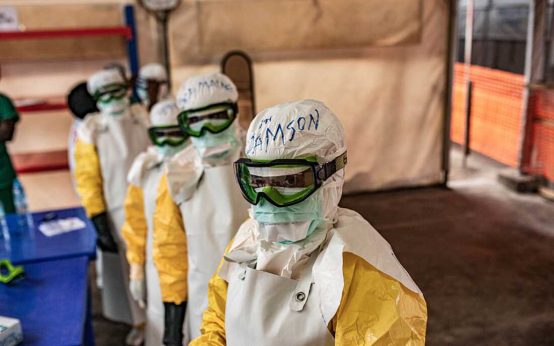 Ebola Outbreak in Africa: A Serious Concern
 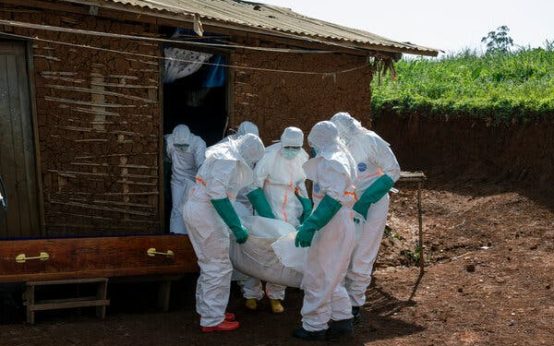 Gold and the Ebola Outbreak in Congo’s Mining Towns
  House Passes Bill for Veterans’ Benefit Increase