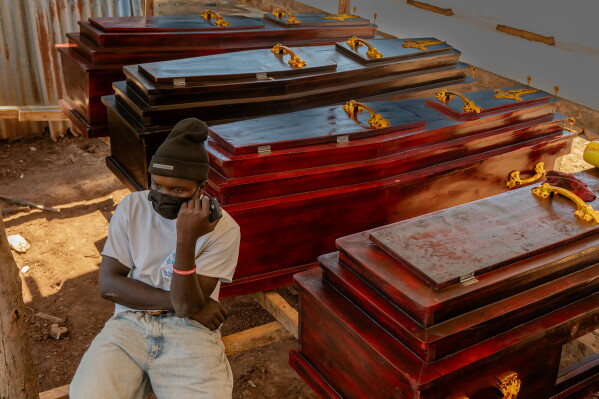
KAMPALA, Uganda (AP) — Bundibugyo, a mountainous district located in western Uganda, often challenges locals in identifying it on a map due to its remote location. It has a population of approximately 200,000, many of whom are cocoa farmers. They work the steep hills and valleys that define Uganda’s border with the Democratic Republic of Congo.
This beautifully idyllic area has gained notoriety for an unfortunate reason: its association with the Bundibugyo strain of the Ebola virus. Originating from a 2007 outbreak in Uganda, this less-studied Ebola species is part of the current outbreak in eastern Congo, linked to 160 suspected deaths across two provinces.
History of the Bundibugyo Virus
The connection between Bundibugyo district and the Ebola virus dates back to 2007. During an outbreak in the region, a new species of Ebola was identified, different from the existing Sudan and Zaire strains. Scientists named this new species after the district itself. Despite containment efforts, the 2007 outbreak claimed at least 37 lives. A second, smaller outbreak occurred in 2012 in northeastern Congo. Both incidents were managed swiftly due to the early identification of cases.
Dr. Tom Ksiazek, a virologist at the University of Texas Medical Branch, led the team that first identified the Bundibugyo virus. Quick public health responses were critical in controlling previous outbreaks, emphasizing the importance of early detection and action.
Uganda’s Reaction to the Ebola Name
Although there is no current outbreak in Uganda, the name Bundibugyo remains linked to Ebola, causing concern among Ugandans. Alan Kasujja, a Ugandan government spokesman, expressed frustration over this association, stating that the district’s natural beauty should not be sullied by disease nomenclature. He urged global health entities to clarify that Uganda is not the center of the latest outbreak.
The World Health Organization (WHO) addresses disease naming conventions to prevent community stigmatization. However, place-based names for viruses persist, as seen with Ebola variants.
Managing Current Health Concerns
Uganda has reported five Ebola cases, all related to the eastern Congo outbreak. This includes a Congolese man who died in Kampala and two Congolese women who sought care in Uganda. Ugandan President Yoweri Museveni reassured the public about containment efforts, emphasizing that the outbreak is primarily in Congo. He encouraged preventive measures, such as avoiding physical contact and suspending public gatherings.
Measures include suspending transportation between Congo and Uganda and heightened surveillance at border points. Dr. Emmanuel Batiibwe highlighted the importance of contact tracing and isolation as part of the response strategy, noting that cross-border commerce raises infection risks.
Uganda’s experience with previous Ebola outbreaks, such as the one in 2000 that killed over 200 people, informs its current response strategies. Despite available vaccines and treatments not being effective for the Bundibugyo strain, protective measures and proper equipment for healthcare workers help manage potential spread.
 Mount Sinai Health System Faces Subpoena on Gender-related Care
 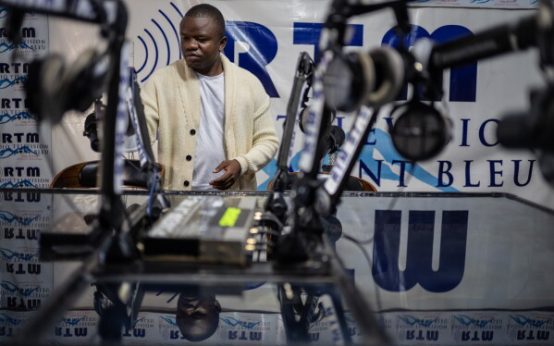 Potential Ebola Outbreak in Central Africa Raises Concerns of Rapid Spread
  Researchers Escorted Out of Diabetes Conference for Criticizing Trump Administration
 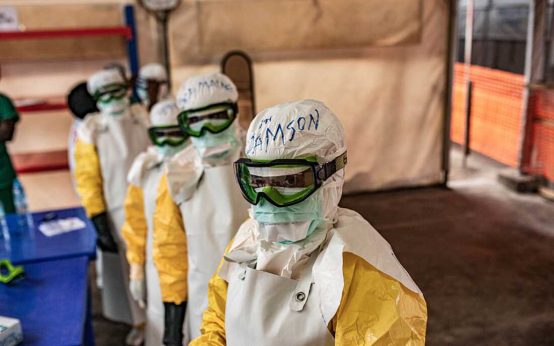 Ebola Outbreak in Africa: A Serious Concern
 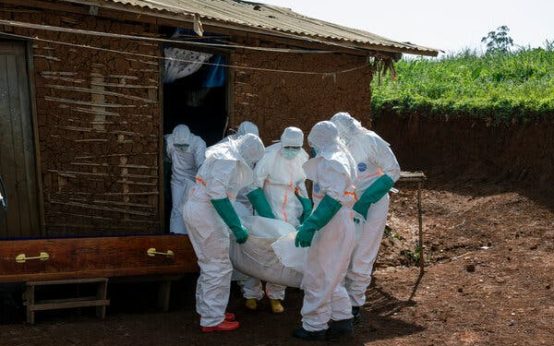 Gold and the Ebola Outbreak in Congo’s Mining Towns
  House Passes Bill for Veterans’ Benefit Increase