
Shares in Asia showed varied movements on Tuesday following reports of U.S. military strikes in southern Iran. These strikes, described as ‘self-defense’ actions, targeted missile launch sites and boats laying mines. These events coincided with President Donald Trump’s social media comments indicating that peace negotiations to end the ongoing conflict were ‘proceeding nicely.’ U.S. futures saw a rise as a result.
Oil prices also experienced fluctuations. Brent crude traded below $95 a barrel. The U.S. military stated that Monday’s operations aimed to ‘protect our troops from threats posed by Iranian forces.’ Despite a ceasefire with Iran, which has not officially responded, the military exercised restraint in its actions. Details on specific threats from Iran and the implications for negotiations remain scarce.
The uncertainty surrounding the peace talks with Iran has influenced the markets. Comments from President Trump have further swayed financial activities. Stephen Innes of SPI Asset Management highlighted in a commentary that ‘markets are behaving as though a full Iran breakthrough already exists, even though the hardest parts of the negotiation remain unresolved.’ Washington has shown optimism, while Tehran denies an imminent agreement.
On the stock market, Tokyo’s Nikkei 225 declined by 0.4% to 64,897.64, dropping from an all-time high close on Monday. The Hang Seng index in Hong Kong rose by 0.3% to 25,668.55. The Shanghai Composite index saw a decrease of 0.7% to 4,122.87. In South Korea, the Kospi surged 2.9% to 8,075.71, following a market closure on Monday due to a holiday. Australia’s S&P/ASX 200 fell by 0.4% to 8,653.80.
U.S. stock futures for the S&P 500 and the Dow Jones Industrial Average climbed 0.6% early on Tuesday. Benchmark U.S. crude oil prices dropped by more than 4%, or $5.01, to $91.59 a barrel. Brent crude saw a gain of $1.57 to $94.99 a barrel after a nearly $5 decline on Monday. With U.S. markets closed on Monday for the Memorial Day holiday, European markets showed upward movement. France’s CAC 40 increased by 1.1%, Germany’s DAX rose 1.0%, and Britain’s FTSE 100 added 0.2%.
The positive shifts followed indications of progress in peace talks. Regional officials reported that the U.S. was on the verge of an agreement with Iran to end the conflict, reopen the Strait of Hormuz, and see Iran relinquishing its stockpile of highly enriched uranium. The reopening of the Strait of Hormuz, previously closed due to the conflict, will significantly influence oil prices. This strategic passage is critical for global oil transport, especially to countries like Japan that rely heavily on oil imports passing through the strait.
In early Tuesday’s currency dealings, the U.S. dollar appreciated to 158.94 Japanese yen from 158.91 yen. The euro’s value decreased to $1.1634 from $1.1645.
 Protests Erupt in Albania Over Resort Development
 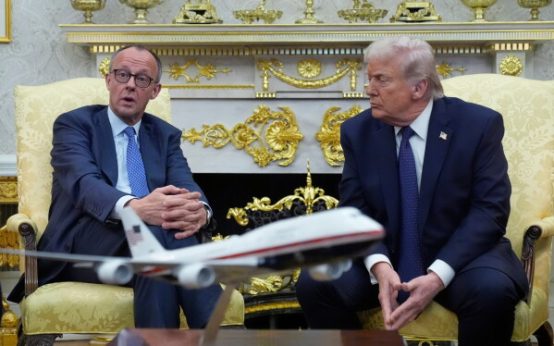 Clarity Sought on U.S. Troop Levels in Europe Amid Policy Changes
 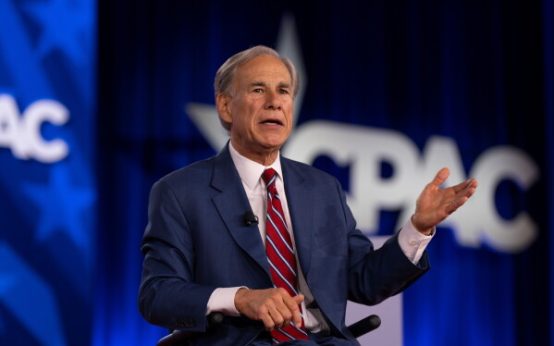 U.S. Military Awaits Pentagon’s Clarification on Troop Levels in Europe
 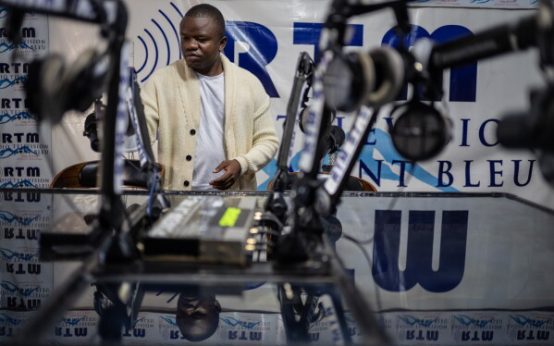 Potential Ebola Outbreak in Central Africa Raises Concerns of Rapid Spread
 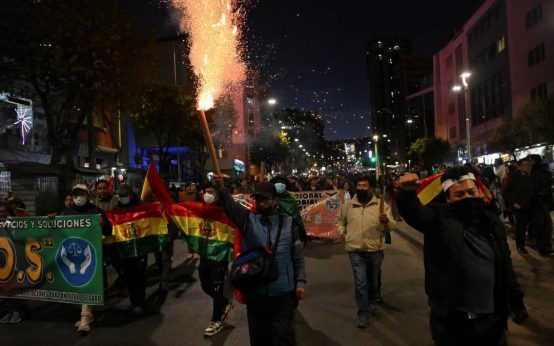 U.S. and Allies Condemn Efforts to Overthrow Bolivian Government
  Pamela Hicks: Cousin, Bridesmaid, and Witness to History