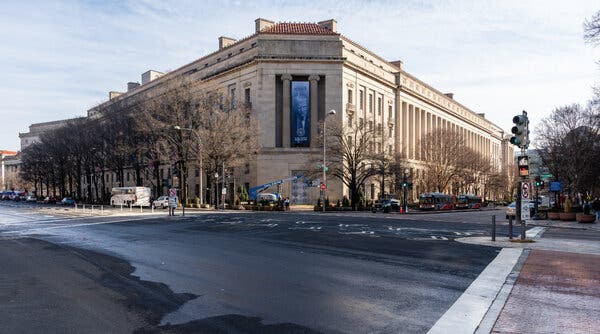
Grand juries hold a significant role in the U.S. criminal justice system. These bodies, operating in secrecy, give prosecutors substantial influence to decide on indicting individuals. Recently, under President Trump’s administration, the Department of Justice has encountered notable challenges in presenting cases to these grand juries.
In a shift from previous norms, prosecutors have struggled to convince grand jurors that the cases presented deserve criminal charges. This issue has persisted over recent months, accompanied by federal judges reprimanding prosecutors for misconduct multiple times since last November.
One notable incident occurred in Chicago, where charges against four Democratic activists were dismissed. The charges related to a protest at an immigration detention center. The judge in this case, April M. Perry, pointed to a series of grand jury mistakes as reasons for the dismissals.
Judge Perry highlighted serious protocol breaches, such as prosecutors discussing the case with grand jurors outside the jury room. Additionally, they improperly suggested that the evidence was particularly compelling. Another significant issue was the removal of certain grand jurors who had previously opposed the charges, an action that skewed the process unfairly.
The grand jury transcripts also came under scrutiny, with prosecutors redacting critical parts. Judge Perry intervened, demanding full access to these documents. This intervention exposed their attempts to conceal procedural misconduct.
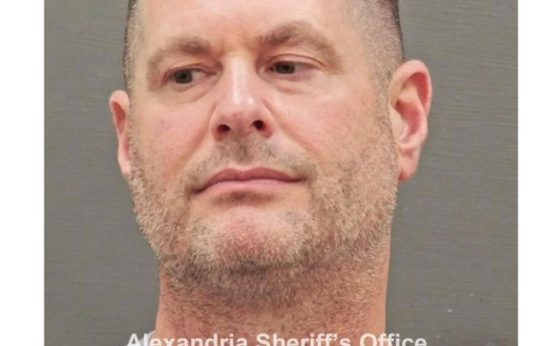 Ex-CIA Official Detained Over Possession of Gold Bars Worth $40 Million
 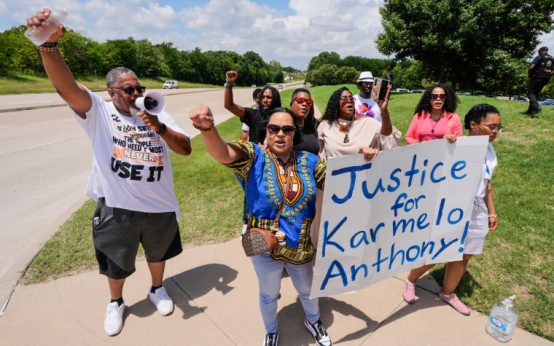 High Tensions Escalate in Texas Teen’s Murder Trial
 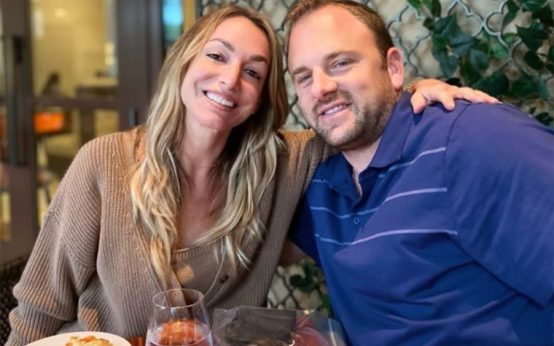 Acquitted Woman Sues Massachusetts Police Over Alleged Misconduct
  Autopsy Reports of University of Idaho Victims Unsealed
  Legal Battle Over Ryne Sandberg’s Trust
 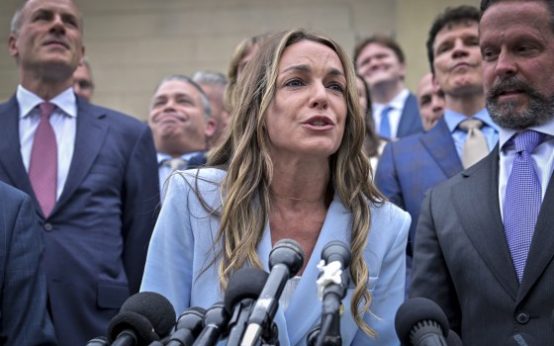 Karen Read Files Lawsuit Against Massachusetts State Police and Canton