
When I heard the doctor say I had lung cancer, disbelief took over. I whispered the words back to him, hoping they could stay between us. But his response was definitive. I hung up the phone, and everything around me felt eerily still.
Heading to my husband Jimmy’s home office, I blurted out the unsettling news. His response: ‘Helene, I am sorry to tell you, but you’re nothing special.’ Even after 35 years of marriage, I knew he didn’t mean it dismissively. He offered comfort in his pragmatic way. It wasn’t what I wanted to hear, but it held some truth.
Lung cancer ranks as the second most common cancer type. The American Cancer Society reports over 200,000 new cases yearly. Early detection matters. When found early, the conversation shifts from survival to cures.
Just a month before, I had been in Central Park, feeling vibrant after a gym session and an energetic walk. At 63, age only kept me from certain fashion choices, not activity. My yearly checkup included a chest X-ray given my age. It was routine for my doctor—but this time, a shadow appeared on the film.
Though my doctor didn’t seem worried, citing possibilities like scar tissue, he opted for a CT scan to be thorough. Until then, my health appeared excellent, or so I thought.
The CT scan’s results led to a PET scan, then a biopsy, culminating in that phone call. Being told ‘You have cancer’ etches a moment in time, from surroundings to attire.
The 14 days leading to surgery felt endless. I shared little, even with family, until my 35th wedding anniversary revealed my hospital visit on an app. My kids’ concerned call asked, ‘What are you doing there? Are you OK?’
Jimmy’s words, ‘You’re nothing special,’ provided resilience. Accepting I wasn’t extraordinary gave me a new perspective—not ‘Why me?’ but ‘Why not me?’ Many women with lung cancer never smoked. I’m among over 22,000 nonsmokers diagnosed annually.
Confronting my diagnosis meant acknowledging human vulnerability. Our bodies, despite their wonders, err. I reflected on my choices, but lung cancer doesn’t discriminate based on habits alone.
Before my lobectomy, removing part of my lung, my surgeon checked in. My husband’s joke about his caffeine intake lightened the mood. The surgeon laughed, already having a busy day. After the surgeon’s exit, an Irish nurse remarked on my husband’s humor, making me laugh after weeks of tension.
Two weeks post-surgery, my doctor shared great news. Early-stage discovery meant no further treatment was necessary. Free to live life, I left with a smile, eyeing my next CT scan in six months.
Eight months on, life has stabilized. My guiding mantra continues to help me handle challenges. Rejections at work now mean persistence in the competitive world of freelance writing. A winter cough threatened worry, but reality reminded me it was just another seasonal ailment.
My mantra proved valuable at my first six-month checkup. Waiting nervously, I thought of many facing lung cancer each year. Women diagnosed have increased by 6% since 2019. Yet, with early detection and enhanced therapies, survival rates increase. I’m at peace with that future.
Helene Rosenthal resides in Miami, focusing on the complexities of family and friendships. Publications such as The New York Times, The Guardian, Slate, Allrecipes, and TODAY feature her essays.
 Mount Sinai Health System Faces Subpoena on Gender-related Care
  Potential Ebola Outbreak in Central Africa Raises Concerns of Rapid Spread
  Researchers Escorted Out of Diabetes Conference for Criticizing Trump Administration
 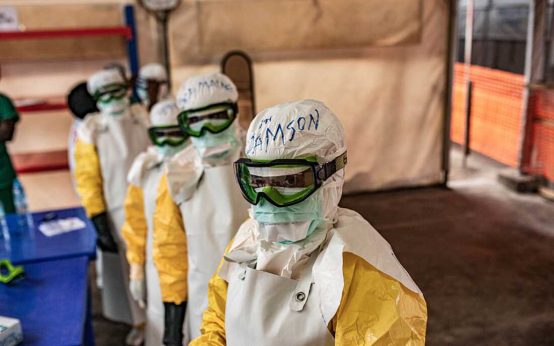 Ebola Outbreak in Africa: A Serious Concern
 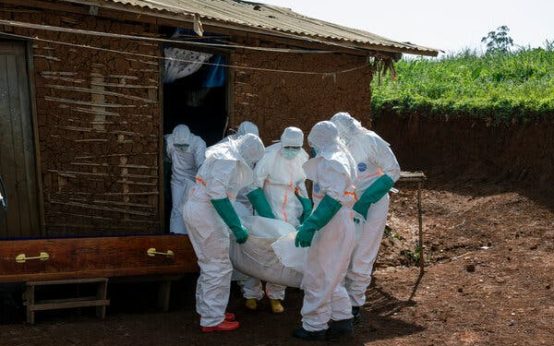 Gold and the Ebola Outbreak in Congo’s Mining Towns
 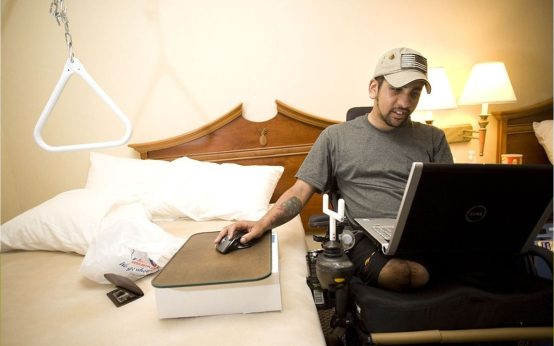 House Passes Bill for Veterans’ Benefit Increase