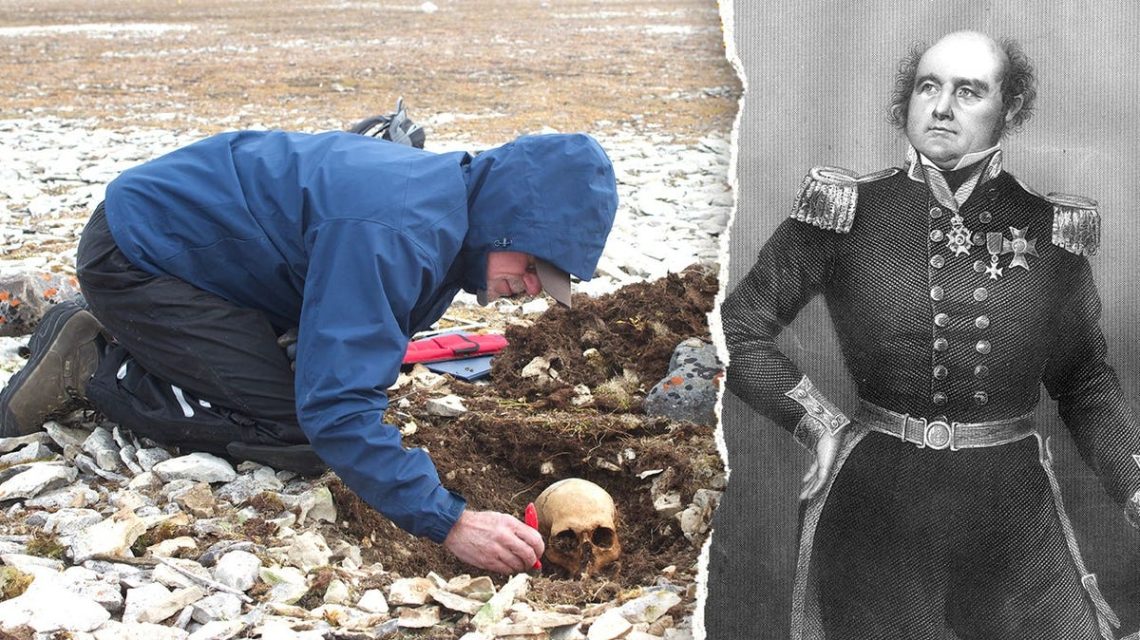
Researchers have made new progress in understanding the ill-fated Franklin expedition of 1845. DNA analysis recently identified four additional crew members, providing more clarity on one of history’s most tragic Arctic missions.
Breakthrough in Identifying Crew Members
The University of Waterloo in Ontario, Canada, led a groundbreaking study. They identified the remains of William Orren, David Young, John Bridgens, and Harry Peglar. These findings are a major addition to the history of the Franklin expedition.
Initially, the expedition included 129 officers and crew on HMS Erebus and HMS Terror. The mission aimed to chart the Northwest Passage for Britain. Both ships became trapped in ice near Nunavut in 1846, and the crew faced extreme Arctic conditions.
Challenges of the Expedition
The expedition was the largest and well-equipped of its time. However, the harsh Arctic environment posed many threats. Extreme cold, ice, and potential strain on the crew’s health made the journey perilous.
Researchers have identified a total of six crew members. DNA analyses have been vital to these identifications. The precise matches were made possible by comparing DNA from skeletal remains with that of living descendants.
Uncovering Details Through DNA
Douglas Stenton, a study co-author, highlighted how challenging it was to retrieve usable DNA from weathered remains. Teeth, with their durable enamel, provided the best-preserved DNA samples.
New discoveries also included evidence of cannibalism among the crew, which sheds light on the dire circumstances they faced while seeking the Northwest Passage.
Continued Research and Genealogical Studies
Identifying more crew members remains a priority for researchers. This involves collaborating with genealogists and descendants for potential DNA samples.
These efforts contribute significantly to understanding the catastrophic loss of life during the Franklin expedition and offer some closure to the descendants of those lost.
The Significance of the Northwest Passage
The Franklin expedition pursued the Northwest Passage as it promised a faster trade route between the Atlantic and Pacific oceans. Success in this venture would have brought major prestige and benefits to Britain.
The ongoing research into the Franklin expedition demonstrates the power of modern technology and collaboration in uncovering historical truths.
 Flesh-Eating Fly Returns to the United States Causing Concern
 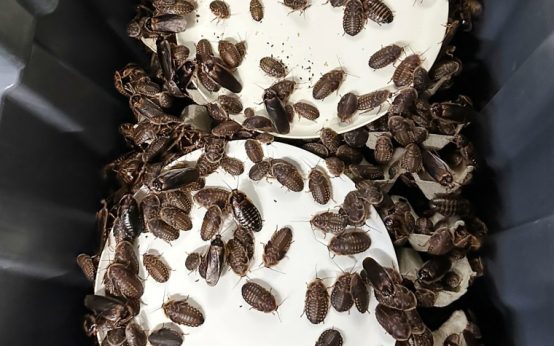 Australia’s Largest Seizure of Exotic Invertebrates: Over 100,000 Cockroaches Confiscated
 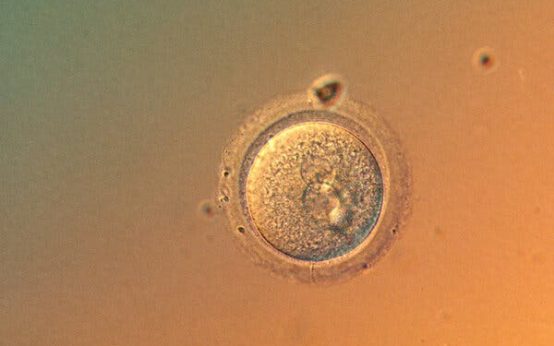 Gene Editing in Human Embryos at Columbia University
  NASA Declares MAVEN Spacecraft Dead After a Decade of Mars Observations
  WHO Reports Reduction in Suspected Ebola Cases in Central Africa
 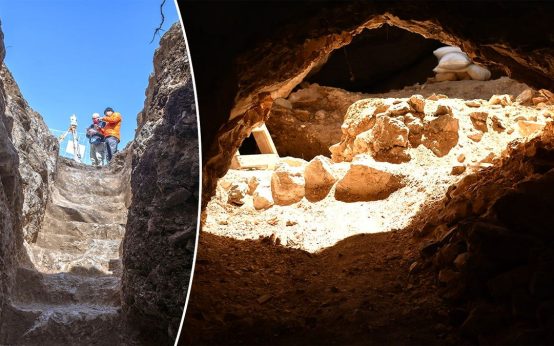 Ancient Tunnel Discovery Near Jerusalem’s Ramat Rachel