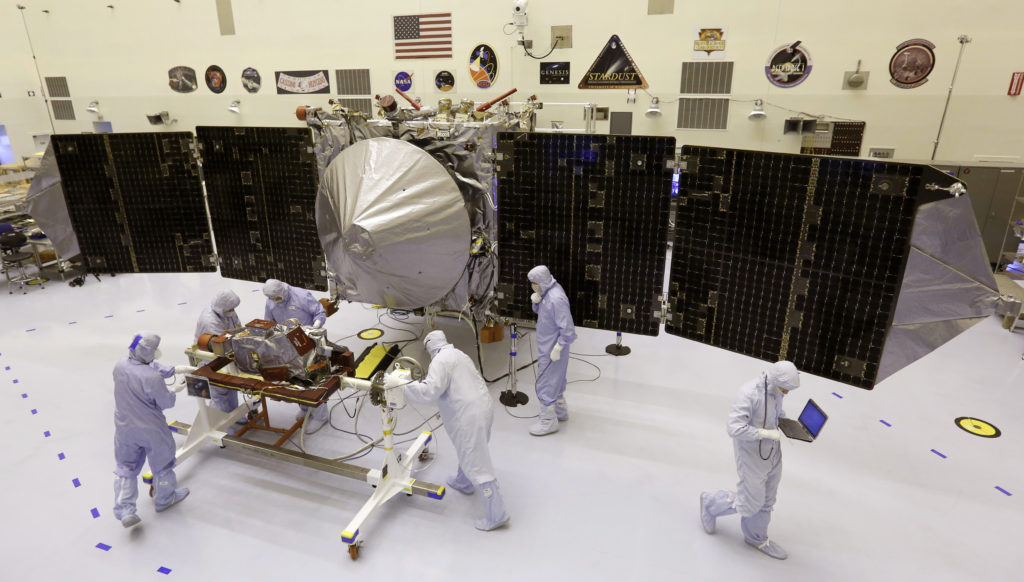
After half a year without communication, NASA has announced the end of the MAVEN spacecraft’s mission around Mars. The spacecraft, which had been studying Mars for over ten years, lost contact in December as it passed behind the planet. A review board concluded the spacecraft spun quickly, disrupting its orbit and depleting its batteries.
NASA’s project manager, Mike Moreau, expressed that the team felt the loss deeply, equating it to losing a loved one. MAVEN launched in 2013 to explore the Martian atmosphere and contributed significantly to scientific understanding. Despite efforts, NASA confirmed the mission’s termination and expects the spacecraft to remain in orbit for 50 to 100 years before eventually crashing into Mars. Investigations into the cause are ongoing.
During its mission, MAVEN not only observed Martian weather but also relayed data from the Curiosity and Perseverance rovers on Mars. Last year, it also observed an interstellar comet. Other spacecraft, including two from the U.S. and two European satellites, will continue such functions, ensuring no disruptions in rover science data.
Shannon Curry, MAVEN’s lead scientist from the University of Colorado Boulder, highlighted the pride felt over the scientific achievements. The mission has significantly advanced the understanding of the Martian atmosphere and its evolution.
The end of the MAVEN mission marks a significant milestone, as the spacecraft has greatly contributed to the knowledge and exploration of Mars.
 Flesh-Eating Fly Returns to the United States Causing Concern
  Australia’s Largest Seizure of Exotic Invertebrates: Over 100,000 Cockroaches Confiscated
 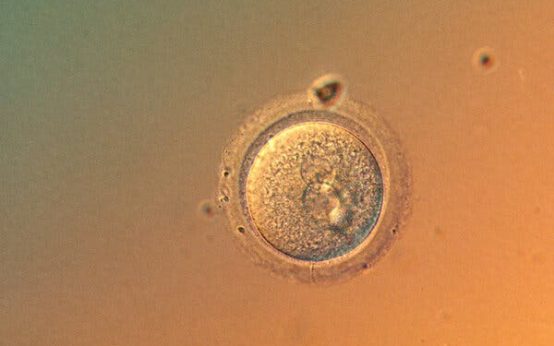 Gene Editing in Human Embryos at Columbia University
  WHO Reports Reduction in Suspected Ebola Cases in Central Africa
  Ancient Tunnel Discovery Near Jerusalem’s Ramat Rachel
  Theological Implications of Extraterrestrial Life and U.F.O. Disclosures