Immediately after winning the first round of Colombia’s presidential election on May 31, Abelardo de la Espriella, a political newcomer, directed his attention not to his fellow Colombians, but to U.S. President Donald Trump. In a post on X, de la Espriella, running under the ‘Defenders of the Motherland’ banner, expressed gratitude for Trump’s endorsement.
Trump had praised de la Espriella, calling him a ‘strong and smart leader’, while labeling his opponent, Ivan Cepeda, a ‘radical leftist Marxist’. This exchange was more than mere diplomacy; it highlighted a significant political shift in the region, driven largely by Trump.
Across Latin America, many right-wing governments have gained power, shifting the political landscape towards the U.S. This movement could weaken the influence of leftist governments, reducing their stronghold to just a few countries.
The Rightward Shift
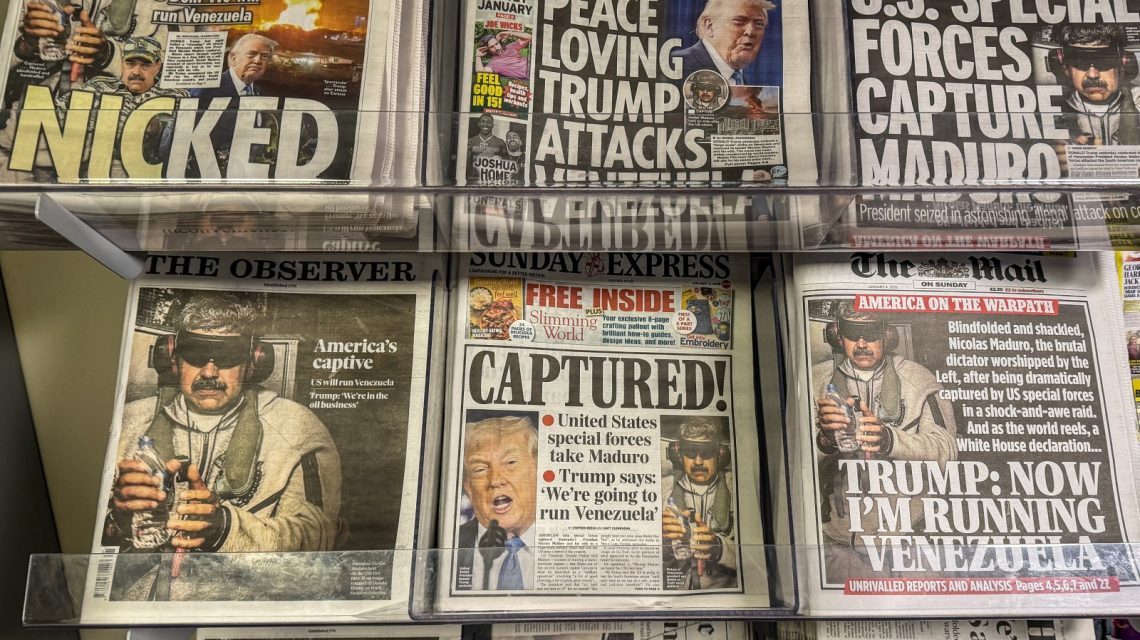
For years, Venezuela’s former President Nicolas Maduro stood as a primary adversary to the U.S., maintaining strong ties with Russia and China, and resisting American sanctions. Despite Trump’s earlier failed attempts to oust Maduro, his administration, led by Secretary of State Marco Rubio, drafted a new plan. The U.S. applied military pressure and detained Maduro, marking a stark portrayal of the region’s ongoing political realignment.
Argentina also saw significant changes with Javier Milei, a bold economic figure and supporter of Trump’s policies, aligning his country more closely with the U.S. In El Salvador, President Nayib Bukele aligned with Trump’s approach on crime, while in Chile, right-wing candidate José Antonio Kast won decisively with rhetoric similar to Trump.
A New Latin American Order
Trump, in March, organized the ‘Shield of the Americas’ summit in Florida, joining hands with over a dozen Latin American leaders to focus on security, combat cartels, and reinforce U.S. dominance. Notable figures present included Javier Milei and Nayib Bukele. However, leaders from Brazil, Mexico, and Colombia were notably absent.
An analysis by Konrad Adenauer Stiftung revealed that nine of the 15 Latin American democracies have shifted politically since 2022. Many have moved from left to right, a shift linked to economic unmet promises and the rise of crime.
Former Colombian President Ernesto Samper reflected on Washington’s current approach, comparing it to past U.S. interventions in Latin America. He warned that Trump’s tactics might lead to a nationalist pushback.
Peru: The Next Domino
Peru faces a crucial runoff election for the presidency, featuring conservative Keiko Fujimori against leftist Roberto Sánchez. Crime remains the central issue, with increasing violence over recent years. Observers predict a close race with undecided voters playing a significant role.
A win for Fujimori would strengthen Trump’s regional influence, while a victory for Sánchez might bolster remaining leftist leadership in the region.
Colombia: An Election Under U.S. Influence
Colombia’s elections have seen significant U.S. involvement, as evident in de la Espriella’s campaign strategy. His close ties to Trump, including his dual American-Colombian citizenship, significantly influence his platform.
The U.S.-Colombia relationship has been strained under President Gustavo Petro, a former guerrilla member. A shift to de la Espriella could repair ties quickly.
What Lies Ahead
The recent rightward trend in Latin America, somewhat driven by Trump’s influence, doesn’t eliminate the left. Leaders like Lula in Brazil and Sheinbaum in Mexico remain influential, maintaining a cautious stance towards Washington.
Experts like Shifter caution against seeing these shifts as permanent, emphasizing that the new administrations must address economic issues and security to maintain their standing. Otherwise, the left could regain power.
The upcoming elections in Colombia and Peru will be telling, potentially defining the political future of the region, as the influence of Trump’s policies remains a factor.
 Zohran Mamdani’s Influential Endorsements in New York Elections
  California Election Fraud Investigations Initiated Amid Voting Process Concerns
 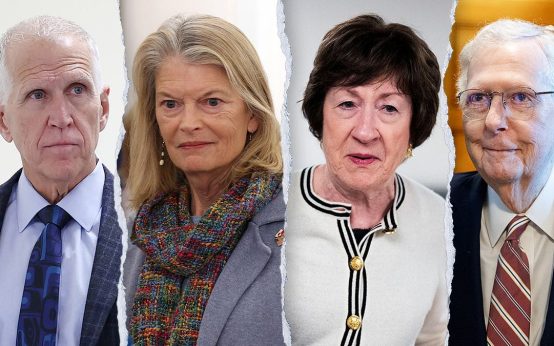 Sen. Josh Hawley Criticizes GOP Senators for Blocking Voter ID Amendment
 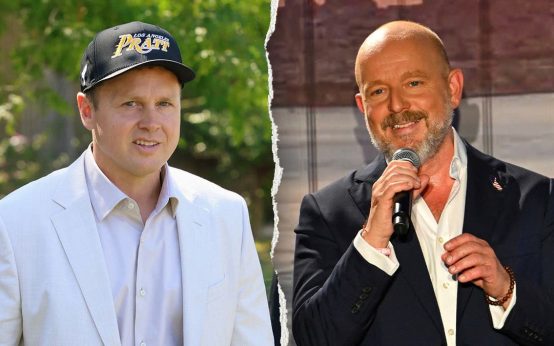 Political Tensions Rise as Republicans Challenge Democrats in California
  Revenue Disputes Hunger Strike Claims at Delaney Hall ICE Center
  Controversies Cloud Maine Senate Candidate’s Campaign Ahead of Primary