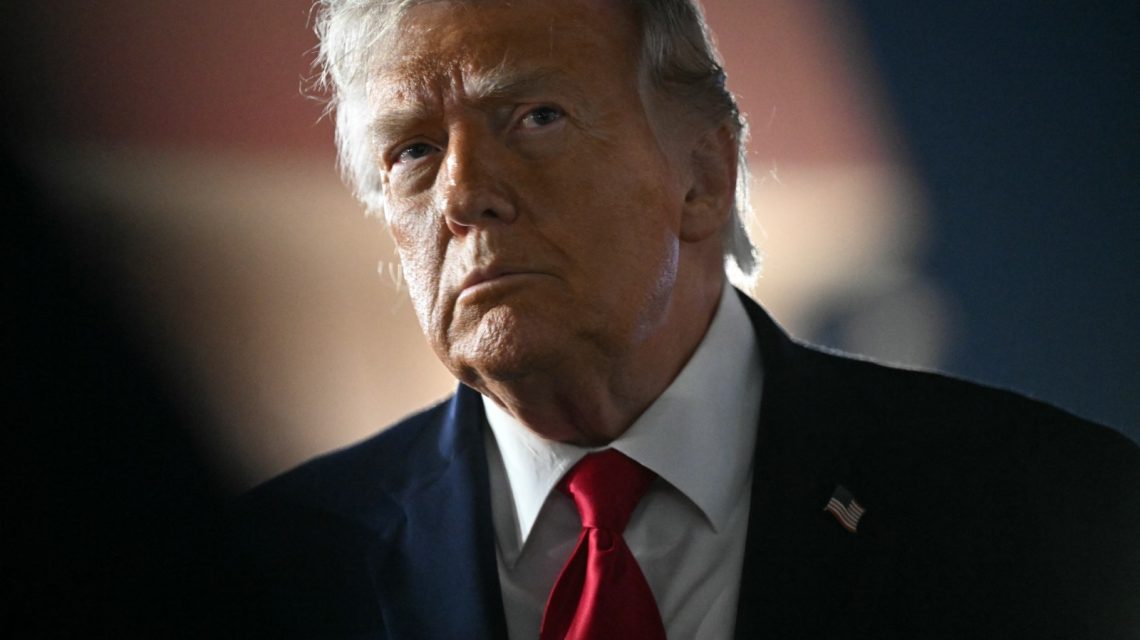
The New York Times has detailed a significant crisis within President Donald Trump’s White House, sparked by the Epstein files. These files have caused secret meetings and strategic debates among top officials who feared backlash from their political base but struggled with transparency.
Months of fallout have followed the government’s handling of the files related to Jeffrey Epstein, a convicted sex offender and financier who died in a New York jail in 2019. It began with a 2025 Department of Justice memo that found no evidence of a ‘client list.’ This memo led to backlash among Trump’s supporters, alongside the release of millions of pages of records mandated by the Epstein Files Transparency Act.
Capitol Hill’s Renewed Focus
Recently, attention has returned to Capitol Hill. Congressional investigators have taken new testimony from Epstein’s inner circle. A longtime Epstein assistant revealed arranging contacts between Epstein and Trump and provided numerous names linked to Epstein, widening the scope of the investigation.
Key Points From the Times Report
Regular Situation Room Meetings
The report highlights several critical points about the administration’s crisis management. Vice President JD Vance considered the fallout a ‘huge problem.’ Senior aides convened multiple meetings in the Situation Room, often excluding Trump, to address the growing scandal. They debated various transparency strategies, knowing they might still reveal little information, and considered unique approaches like using Ghislaine Maxwell to publicly support Trump.
Concerns centered not on opposition from Democrats but from within their MAGA voter base, emphasizing the administration’s focus on maintaining core support.
White House’s Response
White House spokeswoman Abigail Jackson emphasized that Trump has been exonerated from Epstein-related issues. Trump’s actions, including cooperation with the House Oversight Committee, the signing of the Epstein Files Transparency Act, and calls for further investigations, were highlighted as unprecedented. However, Jackson criticized Democrats like Hakeem Jeffries and Stacey Plaskett for not addressing their past connections with Epstein post-conviction.
Reactions and Broader Implications
Democratic Representative Melanie Stansbury from New Mexico viewed the report as ‘stunning,’ likening it to ‘Trump’s Watergate.’
Detailed Takeaways
- JD Vance’s Warning: Vance characterized the situation as a genuine political emergency rather than an insignificant distraction.
- Consistent Situation Room Attention: These meetings reflected an exceptionally high level of focus on a political scandal, usually reserved for significant national security events.
- Transparency Measures: Attempts to unseal likely non-informative records indicated a focus more on quelling public discontent than uncovering new insights.
- MAGA Base Concerns: Anxiety primarily centered on reactions from Trump supporters, not Democratic adversaries.
- Considering Ghislaine Maxwell: Discussions around utilizing Maxwell, a notorious Epstein associate, in damage control efforts raised eyebrows.
Conflict Within DOJ and FBI
The report mentions notable disagreements within the DOJ and FBI, especially involving former Attorney General Pam Bondi, about file management and public communication.
What Lies Ahead
The House Oversight Committee continues to probe individuals linked to Epstein, including former assistants. Though many documents have been released, some remain sealed or restricted legally. Ongoing testimony and limitations on disclosure suggest continued scrutiny of the Epstein files.
 Trump’s Name Removed from Kennedy Center After Court Ruling
 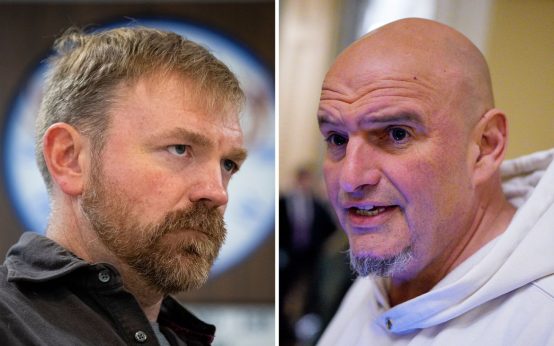 Democratic Tensions Flare as Fetterman and Platner Clash
  New Legislation Targets 3D Printing of Firearms
 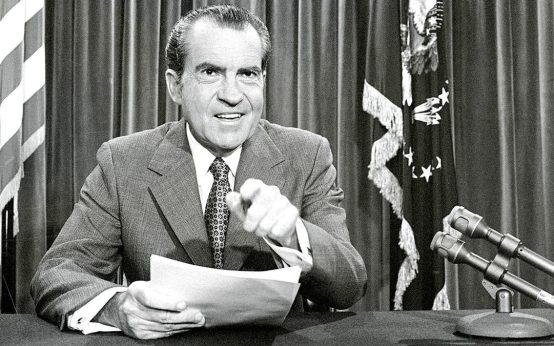 Former General Likens Trump’s Iran Strategy to Nixon’s Vietnam Bombing Campaign
  Removal of Trump’s Name from Kennedy Center Marks Judicial Enforcement
  Federal Judge Blocks Trump Administration’s National Park Changes