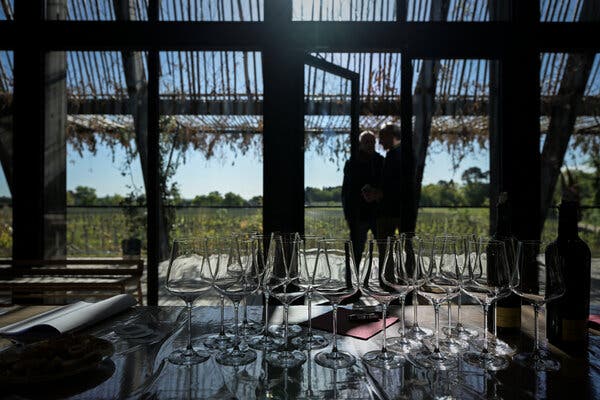
Bordeaux, known worldwide as a wine capital, surprises visitors today. In its bustling streets and vibrant wine bars, it’s uncommon to find locals drinking Bordeaux wines. While tables are filled with bottles, regional wines are absent from many dining experiences.
Changing Preferences in Wine
During a recent visit to Bordeaux, restaurants displayed an array of wines from regions like the Loire Valley and Burgundy. A few decades ago, such preferences might have seemed offensive due to historical rivalries. Now, natural wines are increasingly popular, overshadowing the local Bordeaux options.
This shift is not new. In most French wine regions, local wines dominate the menus, except in high-end Michelin-starred restaurants. These places promote a variety of choices, including Bordeaux, especially in regions like Médoc and Graves in the west, and Pomerol and St.-Émilion in the east.
A Historical Perspective
Historically, Bordeaux was a starting point for many wine enthusiasts. Its classification system was user-friendly, and Bordeaux was once hailed as the world’s finest red wine. Despite this, local restaurants catering to everyday diners rarely feature Bordeaux wines prominently.
Today, the absence of Bordeaux from local restaurant tables is noticeable. Unconventionally, the city’s casual dining spots reflect a global shift in wine preferences, showcasing diversity over regional loyalty.
 Grapes on the Green: An Annual Tradition in Northbrook
  Restaurants Introduce Automatic Gratuities for World Cup Visitors
  Routine Surgery Unveils Unexpected Pregnancy for UK Woman
  Camp Saginaw Alumni Keep the Spirit Alive
  How to Cultivate a Reading Habit
  Balancing Career and Family Expectations