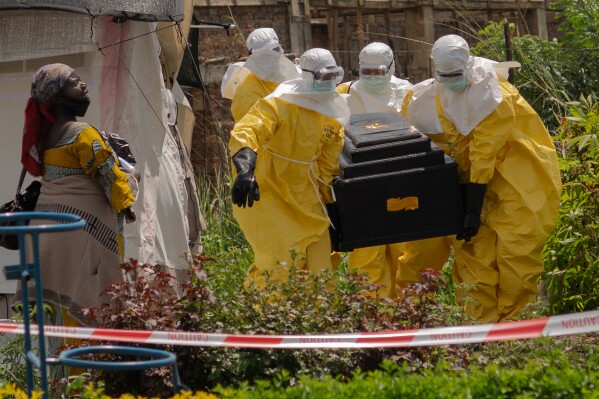
The outbreak of a rare virus in Congo has resulted in the deaths of over 130 people. This virus, causing Ebola-like symptoms, is less common than the other viruses usually responsible for such diseases. The absence of specific treatments or vaccines is complicating efforts to control the outbreak.
Lack of Treatment and Vaccine Options
Dr. Celine Gounder, an infectious disease expert, noted that there are no treatments ready for clinical trials. Healthcare and aid workers are relying on basic protective measures. Dr. Vasee Moorthy from WHO mentioned that a promising vaccine might take six to nine months before it becomes available.
About the Bundibugyo Virus
This virus has caused two previous outbreaks, all within the Congo River basin, as per Dr. Tom Ksiazek from the University of Texas Medical Branch. Similar viruses include the Ebola virus, Sudan virus, and Taï Forest virus, with the latter not being linked to large outbreaks.
Transmission of Bundibugyo Virus
The Bundibugyo virus spreads through contact with bodily fluids like blood, sweat, feces, and vomit from infected individuals. Healthcare workers and family members are particularly at risk. Dr. Gounder highlighted that medical personnel are often among the first to contract and succumb to the virus.
Severity and Mortality
Bundibugyo virus may be slightly less fatal than the Ebola virus or Sudan virus. It has a mortality rate of around 30%. Dr. Gounder mentioned it is tough to predict the exact severity due to limited outbreak data.
Patient Care Strategies
In previous outbreaks, early detection facilitated swift public health responses. Measures included equipping healthcare workers with protective gear, isolating exposed individuals, and providing supportive care like hydration, which significantly lowers mortality rates.
Public Health Efforts for Containment
Current efforts involve isolating cases, contact tracing, and public education on prevention. During the West African Ebola epidemic, safe burial practices were essential in stopping the spread, as traditional rites posed infection risks. Equipping health workers with protective gear remains vital.
While vaccines are crucial, public health approaches like education, contact tracing, and testing remain effective. Lina Moses, an epidemiologist, pointed out that all 17 Ebola outbreaks in the Democratic Republic of the Congo have been controlled successfully.
___
Associated Press contributors include Mogomotsi Magome in Johannesburg and Jamey Keaten in Geneva.
The Associated Press Health and Science Department is supported partly by the Howard Hughes Medical Institute’s Science and Educational Media Group and the Robert Wood Johnson Foundation. The AP maintains responsibility for its content.
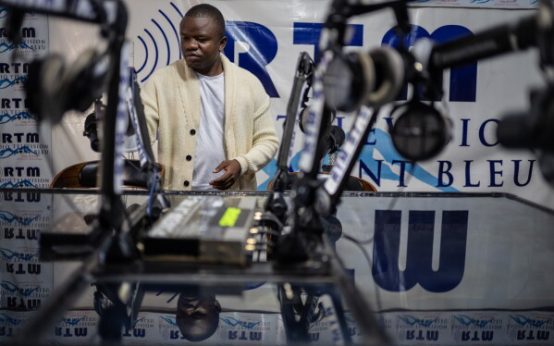 Potential Ebola Outbreak in Central Africa Raises Concerns of Rapid Spread
  Researchers Escorted Out of Diabetes Conference for Criticizing Trump Administration
 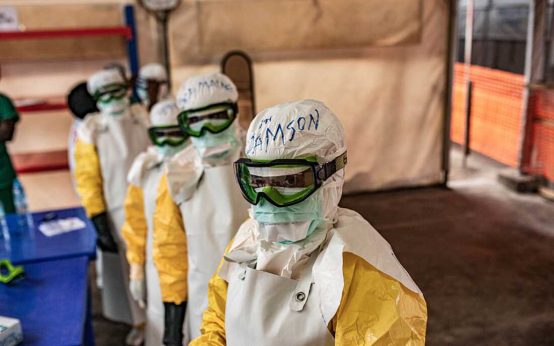 Ebola Outbreak in Africa: A Serious Concern
 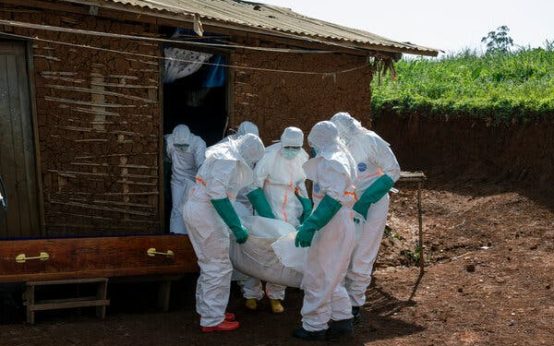 Gold and the Ebola Outbreak in Congo’s Mining Towns
  House Passes Bill for Veterans’ Benefit Increase
  Gene Editing in Human Embryos at Columbia University