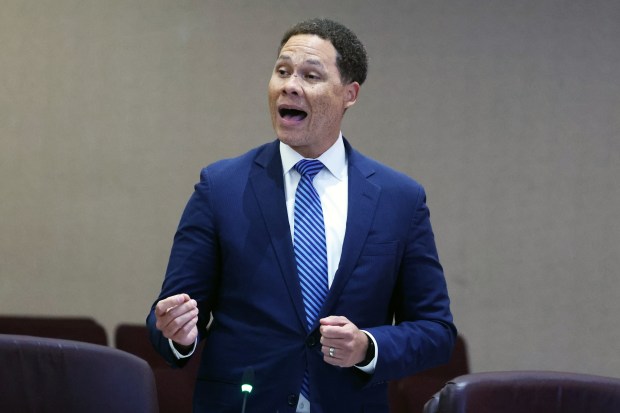
Chicago Implements Ban on Police with Extremist Ties
The Chicago City Council has passed a measure prohibiting police officers with connections to extremist and hate groups from serving in the Chicago Police Department. The ordinance, approved with a vote of 28-21, mandates the termination of officers with links to groups such as the Three Percenters and the Proud Boys. It also forbids the hiring of new personnel with similar affiliations, granting enhanced investigative powers to screen police employees and candidates.
Debate and Perspectives
The decision sparked debate among city officials. Critics argued the measure unfairly targets police officers and should be extended to all city employees. Ald. Matt Martin, a key advocate for the ordinance, stressed the importance of taking action, citing years of reports on extremism within the police force as a motivating factor. “We should do what we can, where we can, with the legal tools available to us,” Martin stated. Ald. Nick Sposato expressed concerns about singling out the police, suggesting the ordinance should encompass all city workers.
Legal Challenges and Union Reaction
John Catanzara, president of the Chicago Fraternal Order of Police, indicated potential legal action against the ordinance. He called the measure unnecessary and felt it unjustly targets the police. Despite opposition, Martin pushed for a vote, referencing a 2024 report by Inspector General Deborah Witzburg that highlighted deficiencies in addressing extremism within the police ranks.
Addressing Extremism and Ensuring Trust
The ordinance specifies targeting actions like fundraising, recruiting, and displaying extremist symbols. Mayor Brandon Johnson, a supporter of the ordinance, formed a task force to investigate extremism following the Inspector General’s report. Johnson emphasized the essential role of police in maintaining public safety and the need for a high standard to foster trust between officers and communities.
Legal Justification and Focus
The City Law Department defended the ordinance’s focus on police, stating it meets First Amendment requirements by being narrowly tailored. The department’s analysis argued that targeting police behavior, given their unique authority and responsibilities, has a robust legal basis. Martin, initially considering a broader application, agreed the focus on police was essential for legal defensibility.
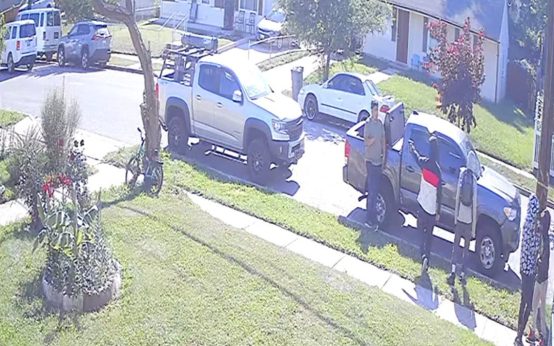 Marine Veteran Thwarts Armed Teen Attack in Maryland
 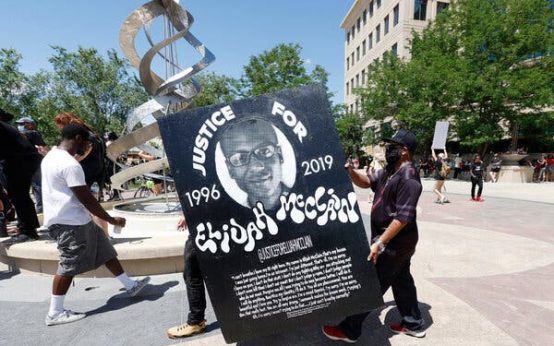 Colorado Court Orders New Trials for Paramedics in Elijah McClain Case
  Judge Dismisses Murder Charge Against Arkansas Sheriff Nominee
  Medicare and Medicaid Fraud Under Scrutiny
 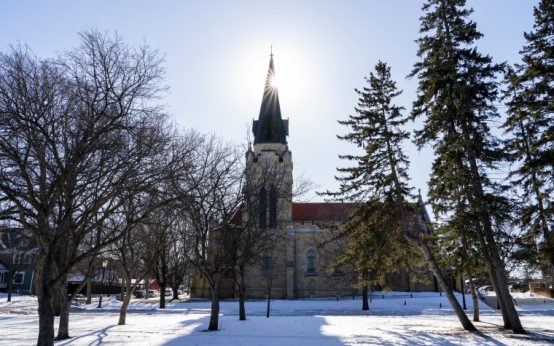 Protesters Facing Federal Charges Avoid State Charges in Minnesota Church Incident
 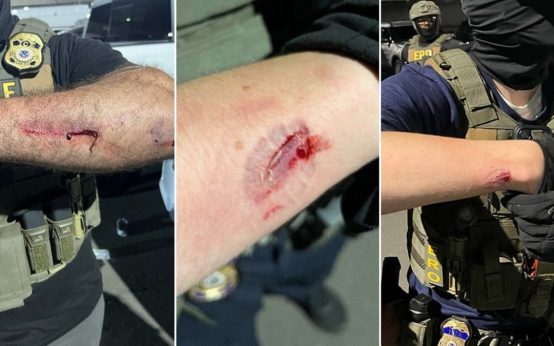 New Jersey Man Charged After Alleged Assaults on ICE Officers