A legislative effort to address affordable housing and increase home construction received bipartisan approval in Congress, yet it confronts a notable challenge at the presidential level. The White House expressed support for the 21st Century ROAD to Housing Act. However, President Donald Trump canceled its signing ceremony, insisting on prior legislation mandating voter citizenship proof before signing the housing bill.
Significance of the Housing Legislation
This housing bill represents months of extensive negotiations, merging various proposals to address the growing inaccessibility of affordable housing for both renters and prospective homeowners. The legislation aims to reduce federal regulations, hasten environmental reviews, streamline construction processes, and restrict corporate landlords from purchasing single-family homes.
Although these efforts target improved housing affordability, they do not resolve all contributing factors. Challenges such as limited construction labor, rising insurance expenses, and stagnant wage growth compared to escalating rents and home prices persist. Nevertheless, the bill has garnered support from the real estate sector, including associations of homebuilders, apartment owners, and housing advocates.
Economist Daryl Fairweather from Redfin emphasized the need for more homes and the significance of eliminating construction barriers for the current market. Despite its potential benefits, awaited relief for homebuyers remains delayed, posing difficulties in an already inventory-deprived market.
Backdrop of Housing Legislation Passage
Recent years have seen housing emerge as a pivotal voter issue due to declining affordability in numerous regions. The U.S. housing market experienced a downturn starting in 2022 with rising mortgage rates shifting from low pandemic levels. Existing home sales remained stagnant, hovering at a 30-year low, despite showing improvement in May. Sales activity continues to fall short of the typical 5.2 million annual pace, influenced by high mortgage rates.
The sharp increase in home prices during the early 2020s, coupled with historically low mortgage rates, led many potential buyers to struggle with entering the market. Moreover, a chronic shortage of homes for sale, partly due to insufficient construction, has sustained elevated home prices.
Harvard’s Joint Center for Housing Studies noted a 54% national increase in home prices since 2020, with last year’s median sales price for single-family homes nearly five times the median household income. Renters have similarly seen minimal affordability improvements; median rent increased 17.2% since pre-pandemic levels as per Realtor.com.
Consequences of Legislative Impasse
A fundamental challenge remains the imbalance of supply and demand across the U.S. housing landscape, leading to price stability even amid slowdowns. The housing bill intends to bolster affordable home supply, focusing on smaller, economical starter homes.
Amendments would enhance manufactured home construction and expand homeowner access to government-backed loans for standalone dwellings. The bill also allocates funds for communities to repurpose abandoned infrastructure into housing and establish guidelines for outdated zoning regulation reform.
Fairweather notes expected construction increases in multifamily housing, townhomes, and accessory dwelling units, eventually easing home price pressures and aiding market entry for buyers.
Impact on Renters
The legislation’s scope encompasses enhancements to rental assistance and affordable housing construction programs. It offers tools for state and local governments to streamline new home and apartment construction, providing federal funding to regions surpassing the median homebuilding rate.
Additionally, the bill lifts caps on financing for public housing renovations and codifies speedy fund allocation for post-disaster community rebuilding. It also introduces renter protections. San Diego Mayor Todd Gloria warned of the dire need for federal intervention to prevent the housing shortfall from worsening.
Potential Delay and Consequences
This legislation is regarded as a significant advancement, though federal influence remains limited over housing dynamics largely governed by local and state regulations. Therefore, any presidential delay won’t prompt immediate local housing price shifts. Yet, it could postpone new construction projects.
Realtor.com’s chief economist Danielle Hale explained that provisions require time to affect builder planning and project development, leading to consumer impact delays.
Next Steps
Despite Trump’s postponement of the signing, Congress demonstrated strong support; the House passed the bill with a 358-32 vote and the Senate with 85-5. The veto-proof majority may prevent further obstruction if Trump opposes the bill, as the Senate and the House can override a veto.
Speaker Mike Johnson expressed confidence after discussions with Trump that the president would eventually sign the bill, asserting its merits.
 Trump Administration Achieves Major Immigration Enforcement Milestone
  Congress Faces Challenge with $87.6 Billion Request for Iran War Funding
 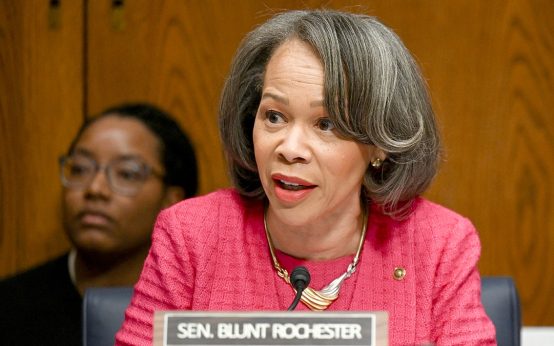 Senator Lisa Blunt Rochester Discusses New York Socialist Wins
  D.C. Council Utilizes Reserves and Plans Tax Increase
  Protesters Face Extended Sentences in Federal Courts
  Judge Blocks Trump’s Election Reform Order