A tragic incident has occurred at an orphanage in eastern Congo where a 6-month-old girl has died from Ebola. This marks the third child fatality at the facility. This event highlights the rapid escalation of a major health emergency as officials strive to control the expanding outbreak. According to the Africa Centres for Disease Control and Prevention (Africa CDC), cases in the region have surged by 38 percent in the past week, now affecting 32 health zones in eastern Congo.
The outbreak is heavily concentrated in the Ituri province, responsible for over 90 percent of the reported infections. Efforts to contain the disease, led by both international and local authorities, face challenges due to community resistance, limited medical resources, and ongoing tensions related to strict safe-burial protocols.
What to Know About the Orphanage Outbreak
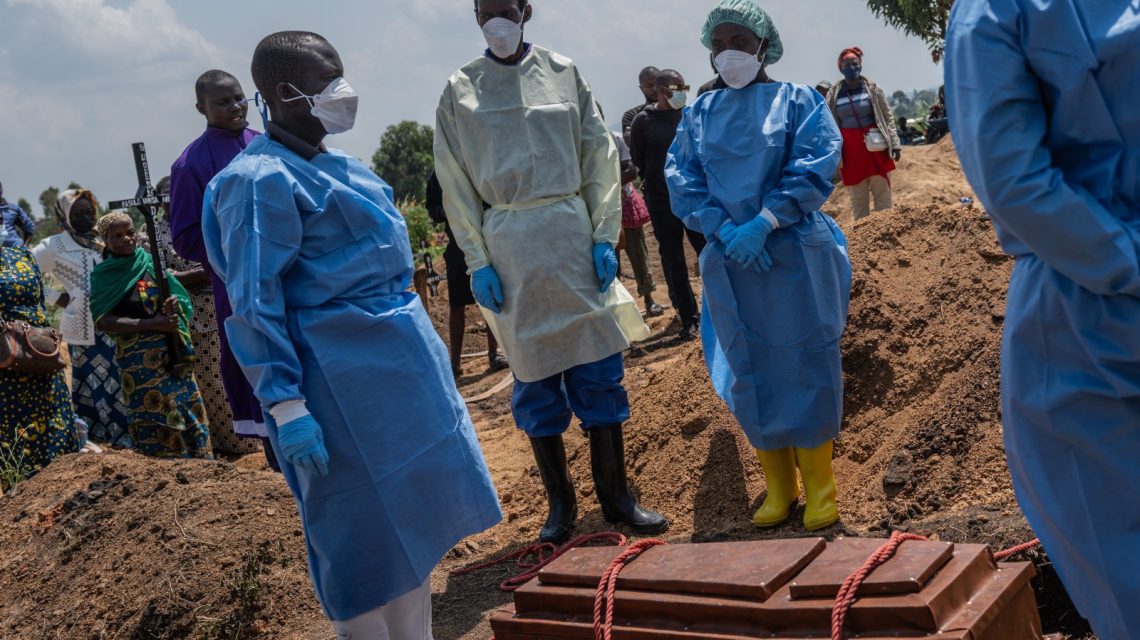
The latest victim, a girl named Vanisa Anifa, succumbed to the virus earlier this week. She was buried on Friday at the Bigo Cemetery in Bunia. Only health workers wearing specialized protective gear were allowed to handle her body. Anifa’s death signifies a troubling pattern of infections among infants and young children in close-contact caregiving environments.
Timeline of the Orphanage Cluster:
- The Index Case: Initially, a newborn brought to the orphanage following her mother’s death developed a fever and died shortly after. This case was later confirmed as Ebola, according to reports.
- Secondary Transmission: Soon after, another infant, an orphaned triplet under 1-year-old, also died from the virus.
- Staff Infections: The virus spread to caregivers at the facility, including a nun, who have now tested positive.
Public health officials emphasize that infants and young children are particularly vulnerable to Ebola. The virus spreads through direct contact with bodily fluids like saliva, vomit, and feces. The hands-on care required in orphanages facilitates transmission. “She was a baby. She had her whole life ahead of her. Unfortunately, she was taken by the disease, a disease transmitted from one person to another,” said Alex Lock, a communications officer at the International Federation of Red Cross and Red Crescent Societies.
Understanding the Bundibugyo Ebola Strain
Ebola is a severe viral disease that causes hemorrhagic fever and is often fatal. The current outbreak affecting the Democratic Republic of the Congo (DRC) and Uganda is driven by the Bundibugyo strain. This less common variant was first identified in 2007. Unlike the more prevalent Zaire strain, which has established vaccines and treatments, the Bundibugyo strain currently lacks an approved vaccine or specific antiviral treatment. Medical efforts focus mainly on aggressive supportive care.
Primary Symptoms of Ebola:
- Sudden onset of fever and profound fatigue
- Severe muscle pain and weakness
- Vomiting and diarrhea
- Impaired kidney and liver function
- In advanced stages, internal and external bleeding
Death Toll in Latest Outbreak
Here are the latest figures from mid- to late-June 2026, based on data from the CDC and Africa CDC:
- Democratic Republic of the Congo (DRC):
Confirmed cases: 896
Confirmed deaths: 232 - Uganda:
Confirmed cases: 19
Confirmed deaths: 2
Probable deaths: 1 - Total (DRC + Uganda):
Confirmed cases: 915
Confirmed deaths: 234
The outbreak continues to evolve rapidly, and the figures are expected to change as more cases are identified. This report includes information from the Associated Press.
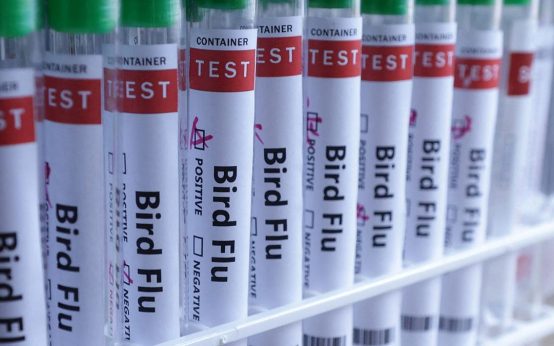 First H5N1 Bird Flu Case Confirmed in Australia
  Officials Warn of Elevated Bacteria Levels at U.S. Beaches
 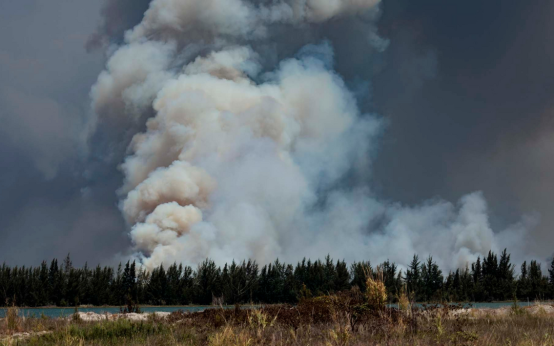 Brush Fires in Miami-Dade Affect Air Quality and Cause Evacuations
 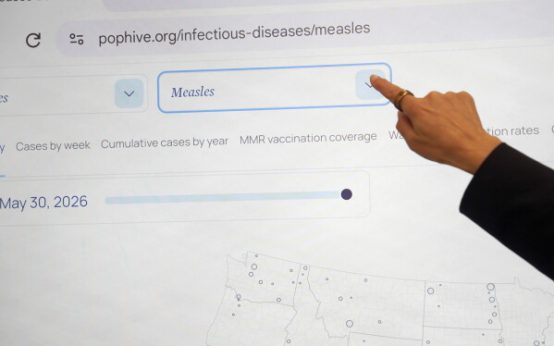 Utah’s Struggle with Measles and Its Impact on U.S. Health Status
  Measles Exposure at Los Angeles International Airport
  Rising Abuse of Over-the-Counter Medications Among Teens