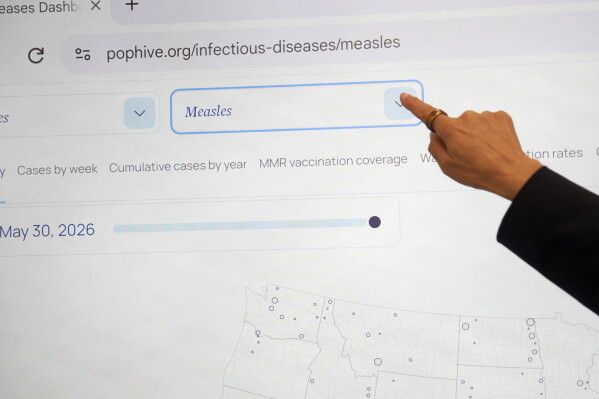
Utah has been battling measles outbreaks for the past year. This challenge could influence whether the United States retains its measles-free status. Since the first outbreak on June 20, 2025, over 680 individuals have fallen ill in Utah. Unlike localized outbreaks in states like Texas, South Carolina, and Arizona, Utah’s spread is widespread, affecting undervaccinated areas in nearly every county. The virus has emerged in various settings, including healthcare facilities, stores, restaurants, and youth sporting events. Notably, a February exposure at a high school wrestling championship resulted in 46 cases.
Measles is among the most contagious diseases recorded. Symptoms include a distinctive rash, high fever, severe cough, ear infections, and diarrhea. While many recover fully, those with weakened immune systems, pregnant individuals, and infants are at risk of severe complications such as pneumonia, brain swelling, blindness, or even death. Healthy individuals can face long-term issues, including a rare, fatal brain disease developing a decade post-infection. The measles vaccine provides 97% protection after two doses.
State epidemiologist Leisha Nolen remains vigilant despite a recent slowdown in cases. She warns that the approaching school year and cooler fall weather might trigger another surge. “It’s still here, it’s still transmitting,” she cautions. “A few cases in the wrong community could cause a significant flare-up.”
Southwestern Utah experiences the worst spread with 265 illnesses recorded since last summer. Seventeen of the state’s 29 counties reported infections. In rural northeastern regions, including Daggett, Duchesne, and Uintah, a decline in vaccinations creates vulnerability. Kindergarten vaccination rates were notably low last year, with 16% in the tricounty area and 12.8% statewide missing measles vaccines, well below the necessary 95% to prevent outbreaks. The TriCounty Health Department reported 74 cases after the virus spread from a youth tournament.
Vaccine hesitancy has grown in this frontier region, according to Sydnee Lyons of the health department. Despite the high case count, officials view the response effort as successful. Measures included excluding unvaccinated students from in-person schooling and advising isolation for the sick. Community-focused efforts led to increased vaccinations, demonstrating the health department’s supportive role. “We weren’t out there to police, we were there to be a help and a resource to the community,” said Cyndie Mattinson, infectious disease specialist.
Utah’s persistent measles struggle may impact the United States’ measles-free designation. Health authorities consider a disease eliminated when it is no longer spreading within communities for a year. As of June 18, the national case count has reached 2,104, close to last year’s record. Though Utah’s year-long fight with measles leaves uncertainty about its connection to a major outbreak at the Utah-Arizona line, recent cases predominantly originate within the state.
International health experts will meet in November to assess if the U.S. and Mexico will lose their measles elimination status. Last year, Canada lost its status due to ongoing outbreaks. Meanwhile, Utah physicians continue addressing public fears and advocating for improved health policies. Despite defeating a bill easing vaccine waivers, Dr. Ellie Brownstein, president-elect of the state chapter of the American Academy of Pediatrics, doubts the situation will resolve soon. “I don’t know that we’re going to get this genie back in the box because there’s enough people out there to spread it,” she remarked.
The Associated Press Health and Science Department, backed by the Howard Hughes Medical Institute and the Robert Wood Johnson Foundation, acknowledges their sole responsibility for the content presented.
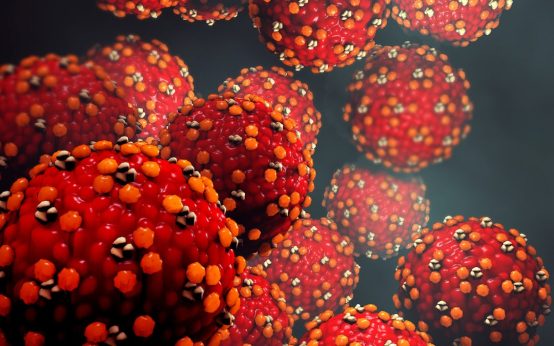 Measles Exposure at Los Angeles International Airport
 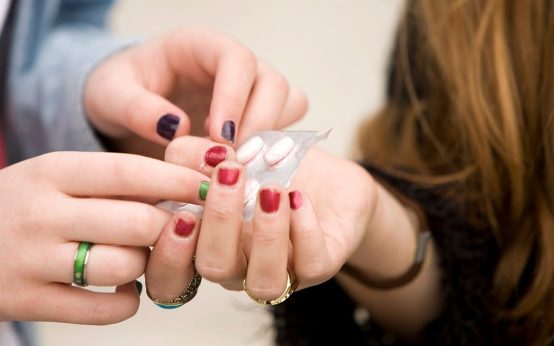 Rising Abuse of Over-the-Counter Medications Among Teens
  Vermont’s New Regulation on Medical Practice Investments
 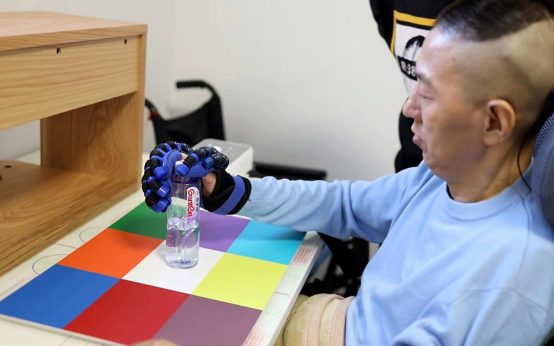 China Pioneers First Commercial Brain Chip Amid Privacy Concerns
  Navigating Complex Relationships with Therapeutic Insights
  Supporting a Loved One Through Cancer: What You Can Do