
Impacts of Economy and Inflation
The economy and inflation have taken center stage, influencing the lives of Americans significantly. As prices rise, trips to the grocery store or gas station become increasingly challenging. Both households and businesses are finding this economic climate hard, affecting their decision-making processes.
Mortgage Rates on the Rise
The U.S. experienced a rise in long-term mortgage rates, reaching the highest point in nearly nine months. This increase occurs during a crucial time for housing, traditionally seen as the busiest period. The average 30-year fixed-rate mortgage climbed to 6.51%, up from 6.36% the previous week, according to Freddie Mac. However, these rates are still below last year’s figures, which were at 6.86%.
The upward trend in mortgage rates aligns with higher energy costs due to geopolitical tensions. The closure of the Strait of Hormuz has significantly impacted energy markets, driving crude oil prices higher, fueling inflation. Anticipations of increasing oil prices and concerns about the burgeoning debts of the U.S. government and others have also contributed to rising bond yields, which subsequently affect mortgage rates.
Retail Sector’s Cautious Approach
U.S. retailers are navigating an unstable economic environment characterized by fluctuating gasoline prices and geopolitical pressures. The average price for a gallon of regular gasoline hit $4.55, marking a 45% increase from last year, according to AAA.
Retail giants like Walmart, Target, Home Depot, Lowe’s, and TJX reported cautious consumer spending, buoyed by generous tax refunds. However, there’s apprehension among economists that consumer spending may decline as tax refunds dwindle. This could significantly impact the U.S. economy since consumer spending is considered its main driving force.
Unemployment Claims Decline
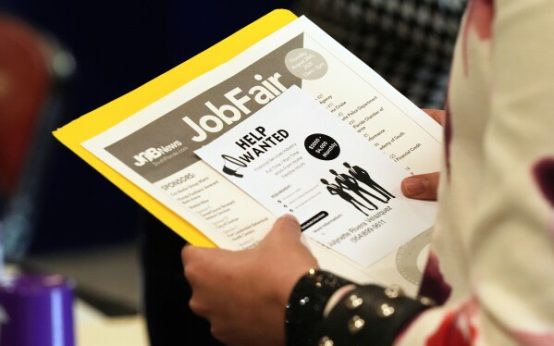
The U.S. labor market showed some positive signs with a fall in unemployment claims. Applications for the week ending May 16 decreased by 3,000, totaling 209,000 claims, beating analysts’ forecasts of 213,000. Despite low layoffs, the job market remains stable, with the unemployment rate at 4.3%. Still, many unemployed individuals face challenges in securing new positions due to what economists term as a “low-hire, low-fire” market condition.
Wall Street’s Winning Streak
Wall Street recorded an eighth consecutive winning week, the longest since 2023, thus widening the gap with the economic situation faced by most U.S. households. U.S. stocks continued to rise, driven by positive profit reports from companies like Workday and Zoom Communications surpassing analysts’ expectations for the start of 2026. Strong corporate profits are a key factor in sustaining high stock prices.
 New Jersey Struggles with Protests Near Immigration Detention Center
  Newark Scales Back Police Presence at Detention Center Protests
  Investigation into Bus Company’s Network and Safety Violations
  Inflation’s Rise Challenges Economists’ Claims
  Support Pours in for Airport Worker After Viral Video
  Father Shares Water Safety Lesson After Daughter’s Close Call