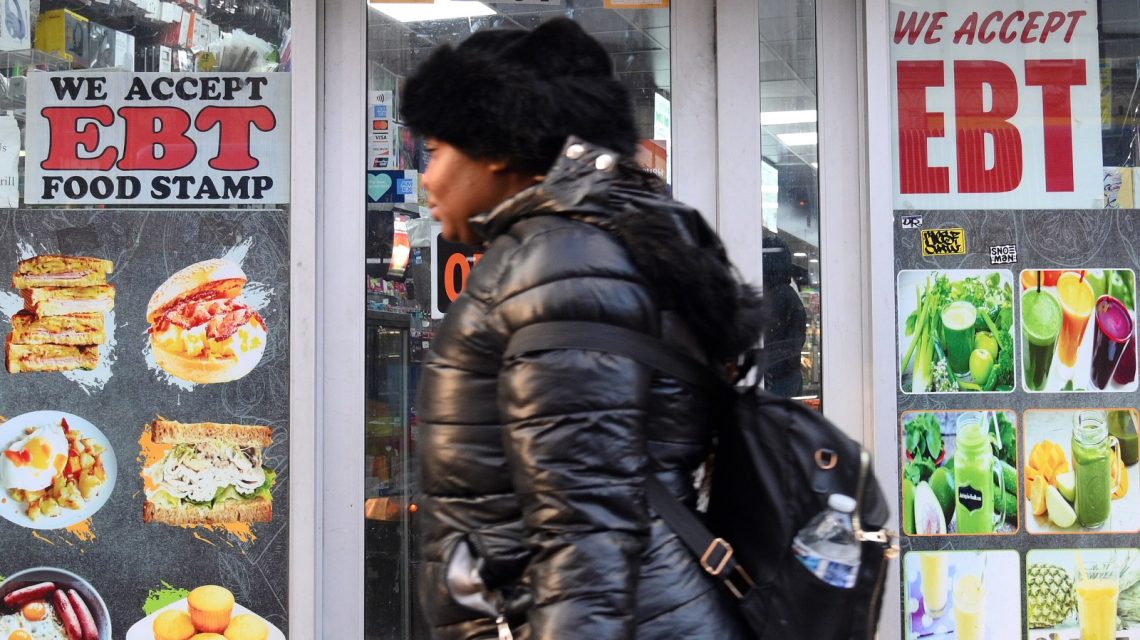
A federal judge has halted a Trump administration effort to block recipients of the Supplemental Nutrition Assistance Program (SNAP) from using benefits to buy soda and other sugary products. This decision has nationwide implications for millions of Americans relying on SNAP.
Judge Amy Berman Jackson issued a 68-page ruling, stating Congress had not authorized the USDA to modify or waive the definition of eligible food under the Food and Nutrition Act. She emphasized that the department was not permitted to exclude entire categories of food from SNAP.
This ruling overturns USDA approvals that had allowed states to test pilot programs removing items like soda and candy from SNAP eligibility. The decision curtails a significant attempt to change SNAP purchasing rules, aimed at addressing the growth of diet-related diseases in the U.S.
“This decision makes clear that the USDA cannot bypass the legal guardrails that establish how SNAP must operate across the country. It affirms that families deserve a program that works without confusion,” said Katie Deabler, senior attorney at the NCLEJ.
The lawsuit was brought by SNAP recipients from Colorado, Iowa, Nebraska, Tennessee, and West Virginia, represented by the National Center for Law and Economic Justice (NCLEJ). However, 23 states had similar waivers approved by the USDA, affecting 13.5 million SNAP recipients.
SNAP benefits traditionally cover any food or drink “intended for human consumption,” but exclude alcohol, tobacco, and ready-to-eat hot foods. The restriction effort was part of Robert F. Kennedy Jr’s “Make America Healthy Again” initiative, intended to reduce sugary product consumption among low-income households, a factor linked to high obesity and diabetes rates.
Critics cautioned this approach might complicate a program used by roughly 42 million Americans.
States With Approved SNAP Food Restriction Waivers
Besides Colorado, Iowa, Nebraska, Tennessee, and West Virginia, 18 other states including Arkansas, Florida, Idaho, Indiana, and Texas had food restriction waivers approved. Colorado, Iowa, Nebraska, and West Virginia had already launched such programs, with Tennessee scheduled to start in July.
The pilot programs aimed to study shopping habits and assess the impact of restrictions on participants’ health. However, there were no opt-out options, meaning all recipients faced the restrictions. Some states focused exclusively on soft drink bans, while others targeted broader sugar-laden categories like candy and desserts.
Millions of Americans Impacted by the Ruling
Across the plaintiff states, approximately 42 million Americans utilize SNAP benefits, including 580,000 in Colorado, 596,000 in Tennessee, 242,000 in Iowa, 256,000 in West Virginia, and 132,000 in Nebraska. More than 13.5 million people across 23 states were covered by USDA waiver approvals.
The NCLEJ lauded the ruling as it reinstates essential food assistance for millions of families relying on SNAP nationwide.
The USDA may explore other ways to restrict SNAP purchases, indicating that the legal debate over qualifying “food” under SNAP continues. For now, the court’s decision reaffirms federal rules that allow SNAP recipients to buy most food items.
Contact Newsweek editors Ben Kelly and Yannick Demoustier for more information.
 Alaska Candidate Disqualification Sparks Legal Challenge
  Supreme Court’s Tariff Ruling: A Call for Fair Refunds
  Democratic Primaries and Global Affairs: Key Updates
  New York’s Democratic Primaries: Key Contests and Dynamics
  Utah GOP Primary Highlights Shift from Trump
  Maryland House Race Heats Up with Wealthy Candidates